7 Best Materials to Line My Oven and Catch Spills
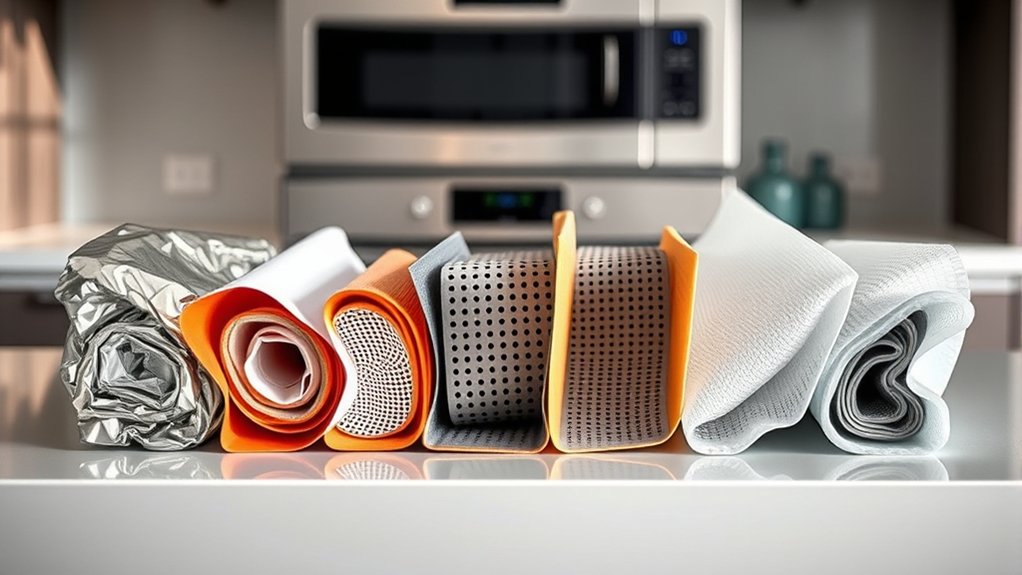
You want an oven liner that handles high heat, fits well, and cleans up easily. Choosing the best materials to line your oven and catch spills can make cooking and cleaning much simpler.
From silicone to stainless steel, the right liner protects your oven while matching your kitchen needs.
Silicone liners bend to fit, resist stains, and wash up with ease. Ceramic liners last long, handle heat, and stay fresh without absorbing odors. Stainless steel trays are tough and reusable, while Teflon coatings offer slick, easy cleanup.
Aluminum foil is cheap but needs caution, and disposable liners provide quick, one-time use.
Keep exploring to find the liner that best suits your kitchen needs.
Key Takeaways
- Silicone liners are flexible, heat-resistant, reusable, and easy to clean with non-stick surfaces for effortless spill management.
- Ceramic liners offer exceptional heat resistance, durability, and a smooth, non-stick surface that prevents odors and stains.
- Stainless steel trays withstand high temperatures, resist warping, and are durable, making them ideal for heavy-duty spill catching.
- Teflon-coated liners provide non-stick protection, resist grease buildup, and simplify cleanup while extending liner lifespan.
- Choose liners that fit your oven size without blocking vents and check temperature ratings to prevent melting or damage.
How to Choose the Best Oven Liner: Key Factors to Consider
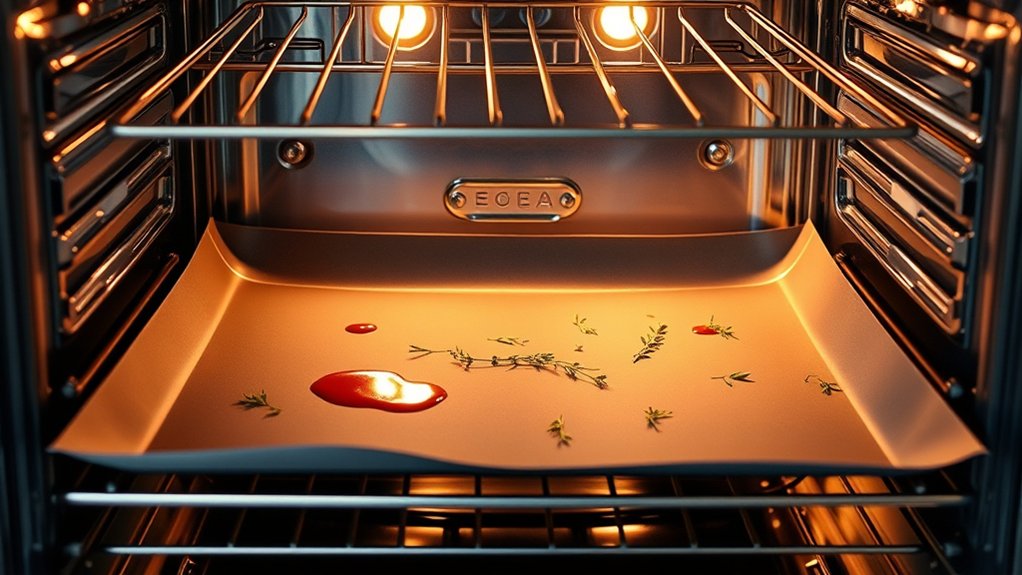
When choosing the best oven liner, you’ll want to think about factors like heat resistance, ease of cleaning, and size compatibility with your oven. First, make sure the liner can withstand your oven’s maximum temperature to avoid melting or releasing toxic fumes.
Next, consider how easy it is to clean—some materials wipe down quickly, while others might require soaking or scrubbing. Size matters too; the liner should fit your oven’s bottom without blocking vents or interfering with racks.
Also, check if the liner is non-stick to prevent food from sticking and making cleanup tougher. Finally, think about durability—choose a liner that won’t crack or degrade after repeated use, ensuring it protects your oven efficiently over time.
Silicone: Flexible and Easy to Clean
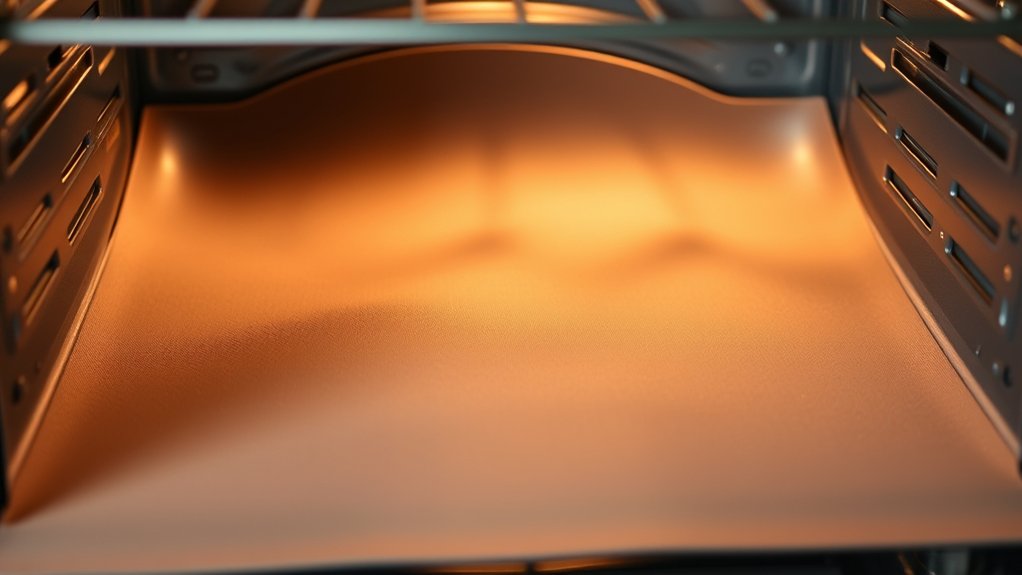
Silicone stands out as a top choice for oven liners thanks to its flexibility and effortless cleaning. You’ll appreciate how this material bends easily to fit your oven’s shape, making installation a breeze. When spills happen, simply peel it off and wash it with warm, soapy water or toss it in the dishwasher.
Its non-stick surface prevents food from sticking, so you won’t have to scrub endlessly. Plus, silicone withstands high oven temperatures without warping or melting, ensuring durability over time. If you want a liner that’s reusable, easy to handle, and keeps your oven spotless with minimal effort, silicone is a smart pick.
Just remember to check the product’s temperature limits before use to keep everything safe.
Ceramic: Heat-Resistant and Long-Lasting
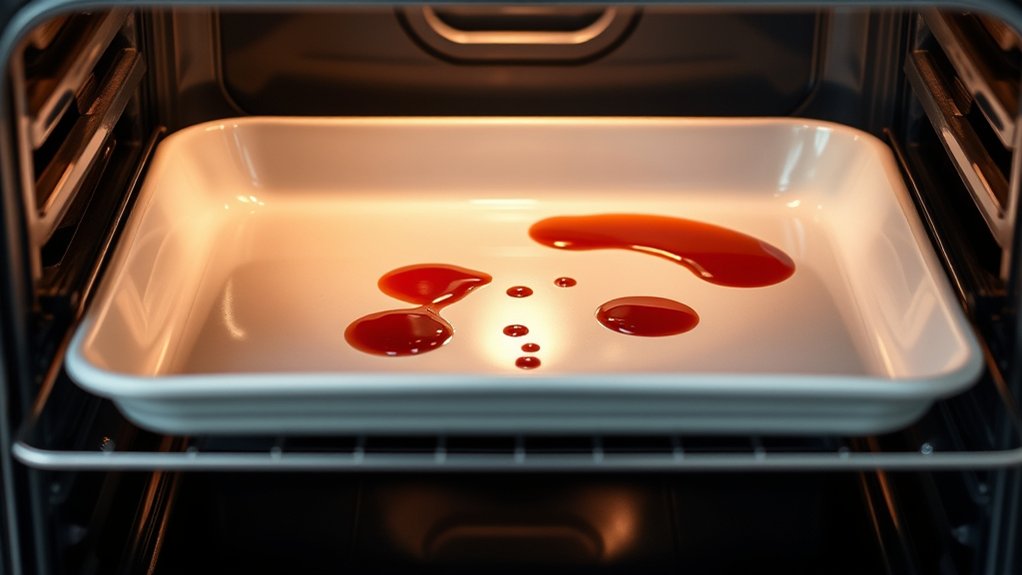
Ceramic liners offer exceptional heat resistance, making them a reliable choice for catching spills in your oven. You won’t have to worry about them cracking or melting, even at high baking temperatures. Their sturdy construction means they last for years, saving you from frequent replacements.
Plus, ceramic’s smooth surface prevents food from sticking, so cleaning up is a breeze. Unlike some materials, ceramic doesn’t absorb odors or stains, keeping your oven fresh. Just be cautious when handling them, as they can be heavy and may chip if dropped.
If you want a durable, heat-proof liner that stands up to frequent use, ceramic is a smart option that combines longevity with easy maintenance. It’s ideal for everyday baking and roasting without the mess.
Stainless Steel Trays: Heavy-Duty and Reusable
You’ll appreciate how stainless steel trays stand up to high heat and resist warping, making them a reliable choice for your oven. They’re built to last and handle spills without breaking down.
Plus, cleaning is simple—just soak and scrub to keep them looking like new.
Durability and Heat Resistance
Stainless steel trays offer exceptional durability and heat resistance, making them an ideal choice for lining your oven. You won’t have to worry about warping or melting, even at high temperatures, since stainless steel withstands intense heat without degrading. This means you can confidently use them for roasting or baking dishes that require extended cooking times.
Their heavy-duty construction resists dents and scratches, so they maintain their shape and effectiveness over time. Plus, stainless steel doesn’t react with acidic or alkaline foods, ensuring safety and preserving flavor. When you line your oven with these trays, you get reliable protection against spills and drips, while benefiting from a material that’s built to last through countless cooking sessions.
Cleaning and Maintenance Tips
Although these trays are heavy-duty, regular cleaning is key to keeping them in top condition. After each use, let the tray cool slightly, then wash it with warm, soapy water to remove grease and food residue. Avoid abrasive cleaners or steel wool that can scratch the surface.
For stubborn stains, soak the tray in a mixture of baking soda and water before scrubbing gently with a non-abrasive sponge. You can also use a vinegar solution to restore shine and eliminate odors. Dry the tray thoroughly to prevent water spots and maintain its appearance.
With proper care, your stainless steel tray will stay durable, reusable, and ready to catch spills without compromising your oven’s performance. Regular maintenance guarantees it lasts for years.
Teflon Coatings: Low-Stick and Easy to Clean
You’ll appreciate how Teflon coatings prevent food from sticking, making cleanup a breeze. Just wipe the surface with a soft cloth and mild detergent to keep it in great shape. Avoid abrasive scrubbers to maintain the non-stick finish longer.
Non-Stick Benefits
One of the easiest ways to keep your oven clean is by using a Teflon-coated liner. These liners have a non-stick surface that prevents food spills from sticking, making your cleanup quick and hassle-free. You won’t have to scrub baked-on messes or soak stubborn stains.
Plus, Teflon coatings resist grease and oil, so greasy spills slide right off. This means less elbow grease and more time enjoying your meals. The low-stick property also protects the liner itself, extending its lifespan.
When you use a Teflon-coated liner, you keep your oven’s interior spotless with minimal effort, making it a smart addition to your kitchen. Just remember to follow the manufacturer’s temperature guidelines to maintain the coating’s effectiveness.
Cleaning Tips
Teflon-coated liners make cleanup a breeze thanks to their low-stick surface. You won’t need harsh scrubbing or strong chemicals; usually, a quick wipe with a damp cloth or sponge removes spills effortlessly.
For tougher messes, use mild dish soap and warm water without worrying about damaging the coating. Avoid abrasive scrubbers or steel wool, as they can scratch and reduce the liner’s effectiveness.
After cleaning, let the liner air dry completely before placing it back in the oven. This simple routine keeps your oven liner in great shape, ensuring it continues to catch spills without sticking.
With Teflon coatings, maintaining a clean oven becomes much less of a chore, saving you time and effort in the kitchen.
Aluminum Foil: Cheap but Handle With Care
Although aluminum foil is an inexpensive and readily available option for lining your oven, you need to use it carefully to prevent damaging your appliance. Placing foil directly on the oven’s bottom can block airflow, causing uneven heating or even overheating, which may harm your oven’s components.
Instead, loosely cover the oven racks with foil to catch drips, but never cover the entire rack or block vents. Avoid letting foil touch heating elements, as this can cause sparks or fires. Also, don’t use aluminum foil to line the oven floor, as melted spills can bond to it, making cleanup harder.
If you decide to use foil, check your oven’s manual for manufacturer recommendations to make sure you’re not voiding warranties or risking damage.
Disposable Liners: One-Time Use for Quick Cleanup
If you prefer a hassle-free way to keep your oven clean without worrying about placement or heat issues, disposable liners offer a convenient solution. These single-use mats are designed to catch spills and crumbs, making cleanup as simple as tossing the liner after use. You don’t have to worry about scrubbing or damaging your oven’s surface.
Just place the liner on the bottom rack or oven floor, depending on the product instructions, and you’re set. Since they’re made from heat-resistant materials, they can handle typical oven temperatures without melting or releasing fumes. Keep in mind, disposable liners are meant for one-time use, so you’ll need to replace them regularly.
Still, they provide an easy, mess-free way to protect your oven from spills and drips.
Frequently Asked Questions
Can Oven Liners Affect Cooking Times or Temperatures?
Yes, oven liners can affect cooking times and temperatures by reflecting or absorbing heat unevenly. You should avoid foil or plastic liners that block airflow, as they might cause uneven cooking or damage your oven.
Using liners that interfere with the oven’s heat circulation can lead to inconsistent results. Make sure to choose liners designed specifically for oven use. This helps maintain proper cooking performance and oven safety.
Are Oven Liners Safe for Self-Cleaning Ovens?
Think of your self-cleaning oven as a dragon breathing fire; oven liners can melt or catch fire in that intense heat.
How Often Should I Replace My Oven Liner?
You should replace your oven liner every 6 to 12 months, or sooner if it’s damaged, burnt, or heavily stained.
Regularly check it to keep your oven clean and guarantee it’s working safely and effectively.
Can I Use Oven Liners in Toaster Ovens?
You can use oven liners in toaster ovens, but make sure they fit properly and don’t block air circulation. Always check your toaster oven’s manual to confirm compatibility, and avoid using liners if your model warns against it for safety reasons.
Do Oven Liners Emit Fumes When Heated?
Oven liners may emit fumes if they’re made from low-quality or non-heat-resistant materials. You should always choose liners labeled as safe for high temperatures to avoid harmful fumes and guarantee your kitchen stays safe and odor-free.
Conclusion
Choosing the right oven liner is like giving your oven a trusty shield against spills and messes. Whether you pick flexible silicone, sturdy stainless steel, or quick disposable liners, each option makes cleanup a breeze.
Remember, the best liner fits your cooking style and keeps your oven sparkling without extra hassle. So, grab the one that suits you best, and let your oven stay as spotless as a fresh canvas after every meal!
In conclusion, selecting the best oven liner ensures your oven stays clean and protected. From silicone liners to stainless steel options, the right material helps catch spills effectively. Choose the perfect oven liner to simplify maintenance and enjoy a pristine cooking environment.