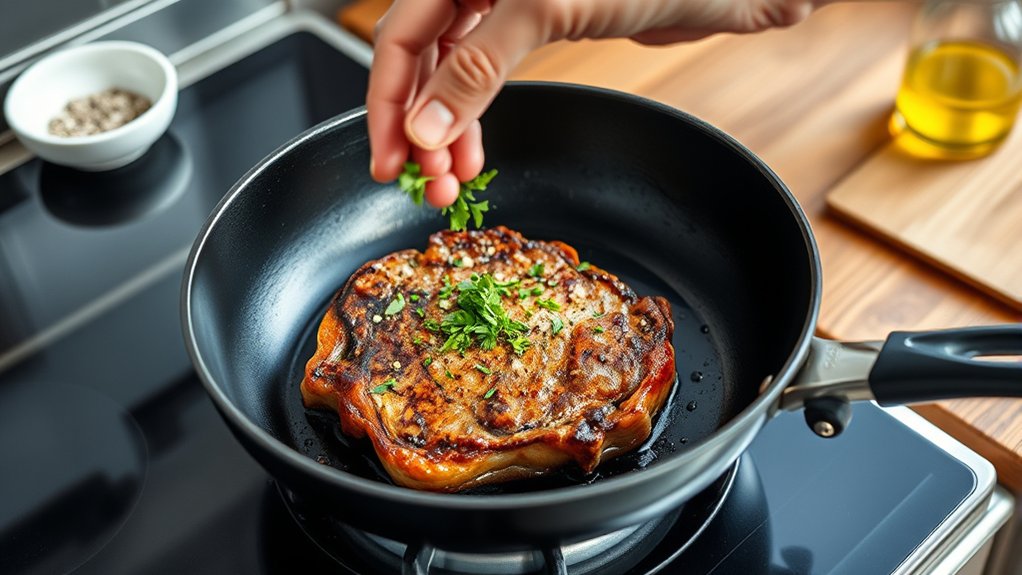
How to Cook Minute Steak in a Frying Pan in 10 Easy Steps
Choose a tender cut like sirloin sliced about 1/4 to 1/2 inch thick and pat it dry.
Season both sides with salt, pepper, and a drizzle of olive oil.
Preheat a cast iron pan over medium-high heat until it sizzles, then add oil or butter.
Cook the steak 45 seconds to 1 minute per side without moving it.
Then let it rest for 5 minutes.
Serve with simple sides and clean your pan properly.
Keep going for tips on cooking and caring for your steak and pan.
Key Takeaways
- Choose tender, thin steak slices (1/4 to 1/2 inch) with good marbling and pat dry before seasoning with salt, pepper, and olive oil.
- Preheat a cast iron or stainless steel pan on medium-high heat until hot and shimmering, adding a small amount of oil or butter.
- Sear the steak without moving it for 45 seconds to 1 minute per side to form a crust, flipping gently with tongs.
- Check doneness by color and texture or use a thermometer (130-135°F for medium-rare), then rest the steak for 5 minutes tented with foil.
- Serve with simple sides like steamed vegetables or roasted potatoes, and clean the pan promptly using hot water and mild soap.
Pick the Best Cut and Thickness for Your Minute Steak
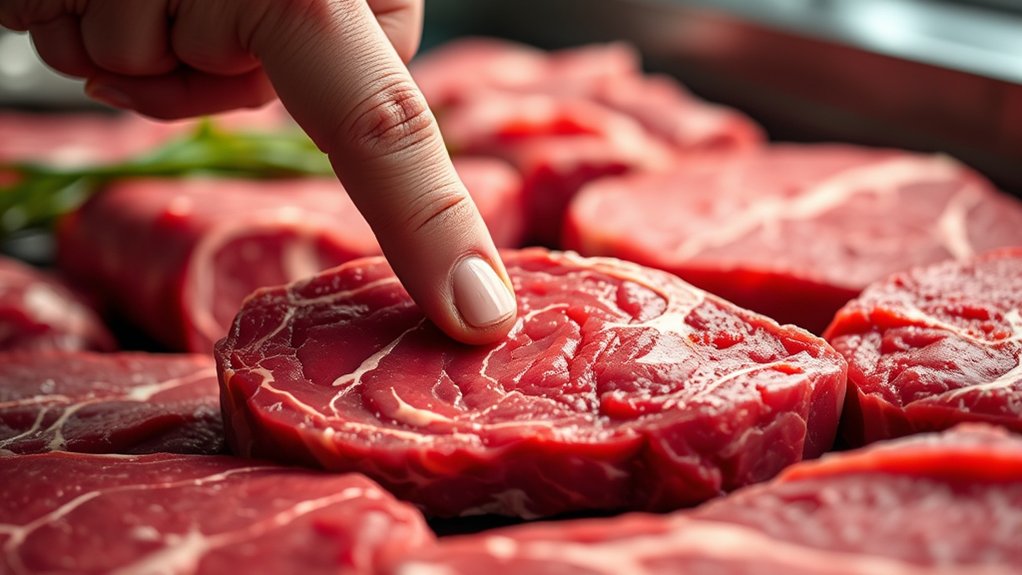
Although minute steak can come from various cuts, choosing the right one is essential for quick cooking and tenderness. You want cuts like sirloin, round, or ribeye, which are naturally tender and cook fast. Avoid tougher cuts because they need longer cooking times and won’t be as enjoyable when cooked quickly.
Thickness plays a big role, too. Aim for slices about 1/4 to 1/2 inch thick. Thinner steaks cook evenly and fast, preventing dryness.
If the steak is too thick, the outside may burn while the inside stays undercooked. When you pick your steak, look for good marbling—those thin streaks of fat add flavor and keep the meat juicy. By selecting the right cut and thickness, you set yourself up for a delicious, tender minute steak every time.
Season Your Minute Steak With Simple, Flavorful Ingredients
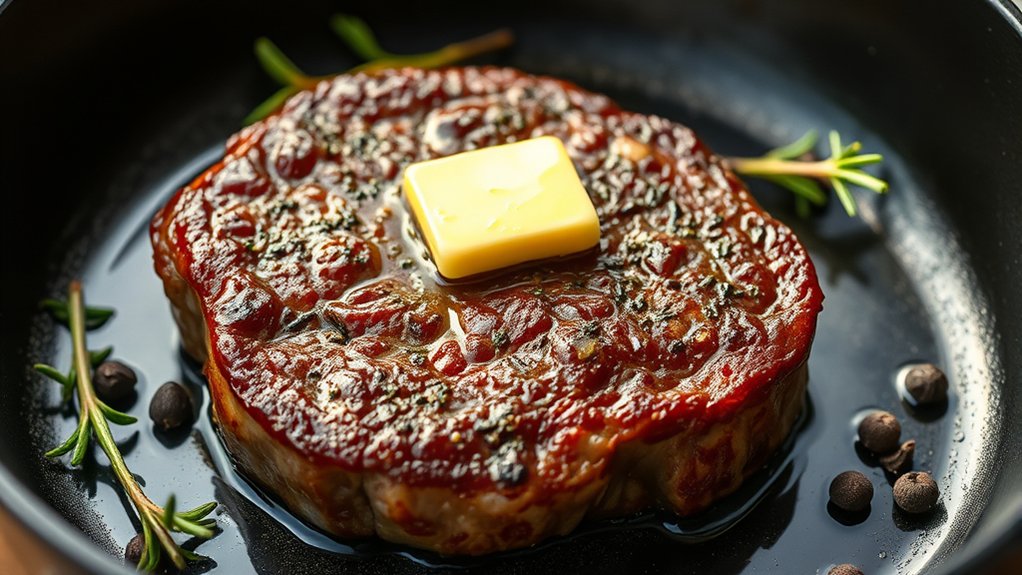
When you’re ready to season your minute steak, keep it simple to let the natural flavors shine. Start by patting the steak dry with a paper towel to make sure the seasoning sticks well. Sprinkle both sides evenly with salt and freshly ground black pepper—these basic ingredients enhance the meat without overpowering it.
If you want a little extra depth, add a pinch of garlic powder or smoked paprika, but don’t go overboard. A light drizzle of olive oil can help the spices adhere and add subtle richness. Avoid heavy marinades or complex spice blends to preserve the steak’s tender texture and quick cooking time.
Preheat Your Pan for Perfect Minute Steak Searing
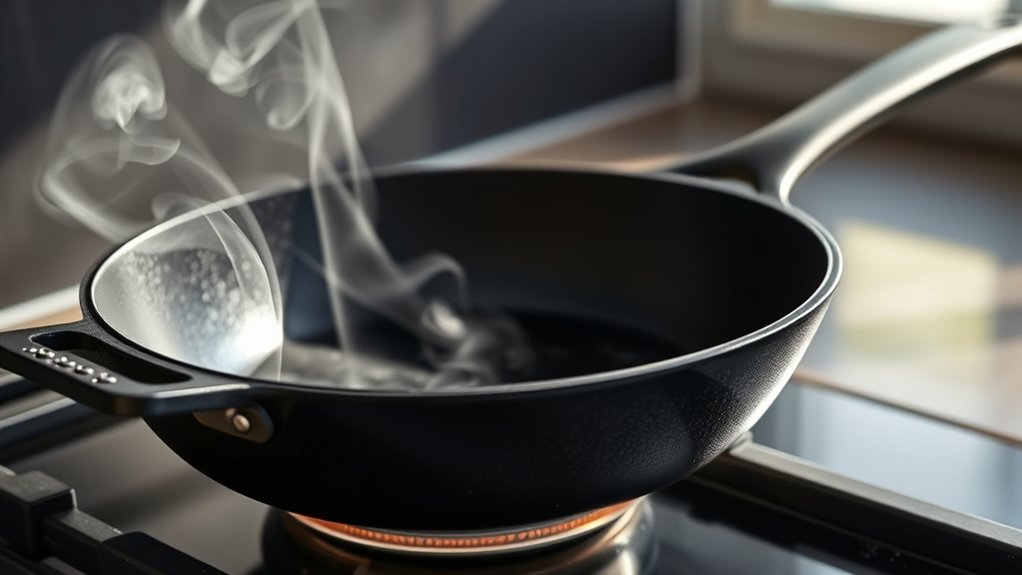
To get the perfect sear on your minute steak, you’ll want to choose the right pan—cast iron or stainless steel works best. Heat it over medium-high heat until it’s hot enough to sizzle the meat instantly.
Give your pan a few minutes to preheat properly before adding the steak to lock in those delicious flavors.
Choose The Right Pan
Choosing the right pan is essential for searing your minute steak to perfection. You want a heavy-bottomed pan like cast iron or stainless steel because they retain and distribute heat evenly. Nonstick pans might seem convenient, but they don’t develop the same crusty sear that enhances flavor and texture.
Make sure your pan is large enough to hold the steak without crowding it, which prevents proper browning. A wider pan also helps you avoid steaming the meat. Before cooking, give your pan enough time to heat thoroughly—this ensures the steak hits a hot surface instantly for that perfect sear.
Once you pick your pan, you’re set to move on to the next step: regulating the heat for ideal cooking.
Optimal Heat Settings
Although it may be tempting to start cooking right away, you need to preheat your pan to the right temperature to achieve the perfect sear on your minute steak. Proper heat guarantees a caramelized crust without overcooking the inside.
Here’s how to set the ideal heat:
- Turn your stove to medium-high heat to get the pan hot but not smoking.
- Use a pan with good heat retention like cast iron or stainless steel.
- Add a small amount of oil with a high smoke point once the pan is hot.
- Wait until the oil shimmers before placing the steak in the pan.
Following these steps helps you lock in flavor and texture for a delicious minute steak every time.
Preheating Duration Tips
Once your pan is heated to medium-high and the oil starts shimmering, you’ll want to contemplate how long you keep it heating before adding the steak. Ideally, let the pan maintain this temperature for about 1 to 2 minutes. This ensures the surface is hot enough to create that perfect sear, locking in juices and flavor.
If you add the steak too soon, the temperature might drop, causing the meat to stick or cook unevenly. On the other hand, overheating can burn the oil and affect taste. To test readiness, flick a few drops of water—if they sizzle and evaporate instantly, your pan is primed.
Add Oil or Butter to Boost Flavor and Prevent Sticking
To enhance the flavor of your minute steak and keep it from sticking to the pan, you’ll want to add a bit of oil or butter before cooking. This step is essential for a juicy, well-seared steak. Here’s how to do it right:
- Choose your fat: Use a high smoke point oil like canola or vegetable oil, or rich butter for added flavor.
- Add the fat once the pan is hot but not smoking to avoid burning.
- Swirl the oil or melt the butter evenly across the pan’s surface.
- Make sure the pan is coated well, so your steak cooks evenly without sticking.
This simple trick improves taste and texture, making your minute steak cooking experience much smoother.
Cook and Flip Your Minute Steak Quickly and Evenly
When your pan is properly heated and coated with oil or butter, place your minute steak in the pan and cook it quickly over medium-high heat. Let it sear without moving it for about 45 seconds to 1 minute to develop a nice crust.
Then, flip the steak using tongs to cook the other side evenly. Keep the cooking time short since minute steaks are thin and cook fast. Avoid pressing down on the meat, as that squeezes out juices and dries it out.
Move the steak gently to make sure it cooks evenly, adjusting the heat slightly if it starts to burn. By flipping quickly and evenly, you’ll get a tender, flavorful steak with a perfect sear on both sides.
Check Doneness to Keep Your Minute Steak Juicy
You’ll want to keep an eye on visual cues like color and firmness to judge your steak’s doneness. Using a meat thermometer can take the guesswork out and guarantee it’s cooked just right.
This way, you’ll lock in the juices and avoid overcooking.
Visual Doneness Indicators
Although cooking minute steak quickly is essential, checking its doneness visually guarantees it stays juicy and tender. You don’t need fancy tools to judge when your steak is ready; just watch for these signs:
- Color Change: The steak’s surface should turn a rich brown, signaling the Maillard reaction and flavor development.
- Juices: When juices start pooling on top, it typically means the steak is near medium-rare to medium doneness.
- Texture: Press the steak gently with your finger; it should feel slightly springy but not too soft or hard.
- Edges: Look for firm, slightly crisp edges—this indicates a good sear without overcooking inside.
Use these visual cues to serve a perfectly cooked, juicy minute steak every time.
Using a Meat Thermometer
How do you guarantee your minute steak reaches the perfect doneness without guesswork? Using a meat thermometer is your best bet. Insert the thermometer into the thickest part of the steak to get an accurate reading.
For a juicy medium-rare steak, aim for 130-135°F (54-57°C). If you prefer medium, target 140-145°F (60-63°C). Avoid cutting into the steak to check doneness, as this lets the juices escape.
Instead, rely on the temperature to know when to remove it from the pan. After cooking, let the steak rest for a few minutes; the internal temperature will rise slightly, ensuring it’s cooked just right. This method keeps your steak tender, juicy, and cooked exactly how you like it every time.
Let Your Minute Steak Rest Before Serving
After cooking your minute steak, let it rest for a few minutes to allow the juices to redistribute evenly. This step guarantees your steak stays juicy and tender when you cut into it. Here’s how to do it right:
- Remove the steak from the pan and place it on a warm plate.
- Tent it loosely with aluminum foil to keep it warm without trapping steam.
- Let it rest for about 5 minutes—don’t rush this part.
- Avoid cutting the steak immediately to prevent the flavorful juices from running out.
Serve Minute Steak With Simple, Easy Side Dishes
When you serve your minute steak, pairing it with simple, easy side dishes enhances the meal without overpowering the flavors. Consider steamed vegetables like green beans or broccoli for a fresh, light touch. A crisp garden salad with a tangy vinaigrette complements the rich meat perfectly.
You can also serve roasted potatoes or a quick garlic butter sautéed mushroom mix for heartier options. These sides require minimal prep and cook time, matching the simplicity of your steak. Keep seasonings straightforward—salt, pepper, lemon juice, or fresh herbs—to maintain balance.
This way, your minute steak stays the star while your side dishes add texture and color, creating a satisfying and well-rounded plate without complicating your cooking process.
Clean Your Frying Pan Properly After Cooking
After enjoying your minute steak, you’ll want to clean your frying pan thoroughly to remove grease effectively. Washing it promptly helps prevent residue build-up that can affect future cooking.
Let’s look at the best way to keep your pan spotless and ready for next time.
Removing Grease Effectively
Though cooking minute steak leaves behind flavorful residue, you’ll want to remove grease effectively to keep your frying pan in good condition. Here’s how you can do it quickly and thoroughly:
- Let the pan cool for a few minutes to avoid burns but clean while it’s still warm.
- Pour out excess grease into a disposable container—never down the sink.
- Use hot water and a few drops of dish soap with a non-abrasive sponge to break down grease.
- Rinse thoroughly and dry immediately to prevent rust or water spots.
Preventing Residue Build-Up
Cleaning your frying pan thoroughly goes beyond just removing grease. To prevent residue build-up, you’ll want to act quickly after cooking your minute steak. While the pan is still warm, wipe off any leftover bits with a paper towel.
Then, rinse it under hot water—avoid cold water right away, as it can warp the pan. Use a soft sponge with mild dish soap to scrub away stubborn residue gently. Steer clear of abrasive scrubbers that can damage the pan’s surface.
Once clean, dry your pan immediately to prevent rust or water spots. Regularly seasoning your pan, if it’s cast iron, also helps create a non-stick surface that resists residue. This simple routine keeps your pan in top shape for every steak you cook.
Maintain Your Frying Pan for Long-Lasting Use
To keep your frying pan in top shape, you’ll want to handle it with care every time you cook. Proper maintenance ensures it lasts longer and performs better when cooking your minute steak. Follow these simple steps:
- Clean the pan promptly after use with warm water and a soft sponge—avoid abrasive scrubbers that damage the surface.
- Dry the pan thoroughly to prevent rust, especially if it’s cast iron or carbon steel.
- Season your pan regularly if it’s cast iron by applying a thin layer of oil and heating it briefly.
- Store your pan in a dry place, preferably hanging or with a paper towel between stacked pans to avoid scratches.
These steps will keep your frying pan reliable and ready for perfect minute steaks every time.
Frequently Asked Questions
Can I Use Frozen Minute Steak for Frying?
You can use frozen minute steak for frying, but you’ll want to thaw it first for even cooking. Cooking it frozen might result in uneven doneness and a tougher texture, so take your time to defrost it properly.
Thawing the steak ensures it cooks more evenly and stays tender. This approach helps you achieve better flavor and texture. Always plan ahead to allow enough time for defrosting.
What Type of Frying Pan Is Best for Cooking Minute Steak?
You’ll want a heavy-bottomed frying pan, like cast iron or stainless steel, for cooking minute steak. These pans retain heat well and give a nice sear, helping you cook the steak evenly and lock in flavor.
This ensures the steak cooks quickly without losing its juiciness. A good sear also adds a delicious crust.
Avoid non-stick pans as they may not achieve the high heat needed for a perfect sear.
How Long Can Cooked Minute Steak Be Stored in the Fridge?
You can store cooked minute steak in the fridge for about 3 to 4 days. Don’t wait too long—use airtight containers to keep it fresh and avoid spoilage, ensuring your steak stays juicy and safe to eat.
Can I Marinate Minute Steak Before Frying?
Yes, you can marinate minute steak before frying. It’ll enhance flavor and tenderness.
Just don’t marinate it too long—30 minutes to 2 hours is perfect, or the meat might become mushy and lose texture.
Is Minute Steak Suitable for Grilling Instead of Frying?
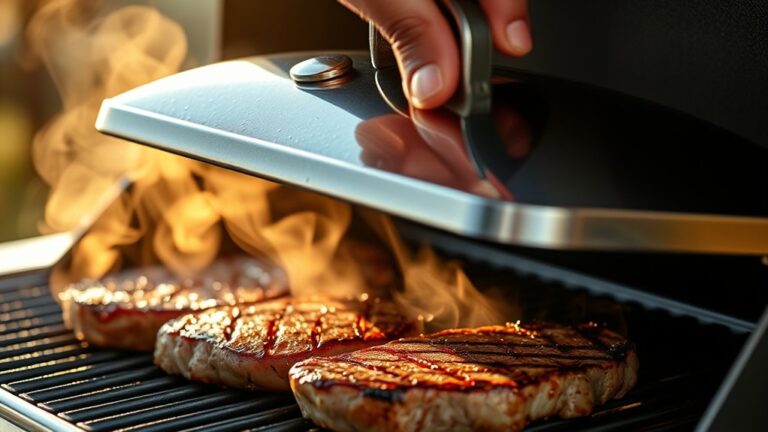
You can absolutely grill minute steak! Imagine firing up your backyard grill, searing the steak quickly for a smoky flavor.
Just watch it closely—minute steaks cook fast and stay tender when grilled properly.
Conclusion
Now that you’ve mastered cooking minute steak in your trusty frying pan, you’re ready to enjoy a juicy, flavorful meal in no time. Just like a knight sharpening his sword before battle, giving your pan a little love guarantees perfect searing every time.
Remember to rest your steak and pair it with simple sides for a satisfying dinner. Keep your pan clean and maintained, and you’ll be cooking steak like a pro for years to come!
By following these steps, your minute steak will always be tender and delicious. Cooking minute steak in a frying pan is quick, easy, and rewarding. Enjoy your perfectly cooked minute steak meal!