Is Our Place Cookware Safe: How to Check for Non-Toxic Materials
You can trust Our Place cookware to use non-toxic materials like ceramic-based coatings free from PFOA, PTFE, lead, and cadmium. These materials ensure safer cooking and reduce health risks associated with toxic substances.
The use of hard-anodized aluminum and stainless steel adds durability and reliable performance.
To check your cookware’s safety, inspect for scratches, chips, or peeling. These signs can indicate wear that might affect the non-toxic properties.
Also, verify certifications such as FDA or LFGB compliance for added assurance.
Proper care and regular inspection help maintain its non-toxic qualities. Keeping your cookware in good condition extends its lifespan and safety.
Keep exploring to understand how it compares to other brands and when to replace your cookware.
Key Takeaways
- Our Place cookware features ceramic non-stick coatings free from PFOA, PTFE, lead, and cadmium for safe, non-toxic cooking.
- Verify non-toxic claims by checking for safety certifications like FDA approval or LFGB compliance on packaging or the website.
- Inspect cookware regularly for chipping, peeling, or warping, which can compromise safety and require replacement.
- Handles and lids use heat-resistant silicone and stainless steel, avoiding BPA and harmful plastics to ensure material safety.
- Proper care includes hand washing with gentle sponges and avoiding high heat to maintain the cookware’s non-toxic integrity.
What “Non-Toxic” Means for Cookware Safety
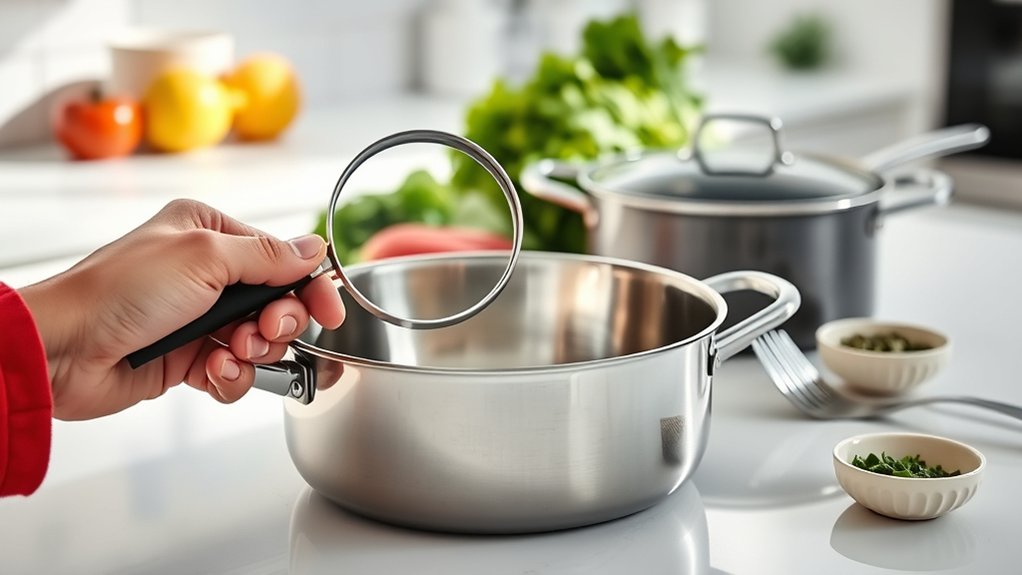
Although the term “non-toxic” sounds straightforward, it can mean different things when it comes to cookware safety. When you see “non-toxic” on cookware, it usually means the product doesn’t release harmful chemicals into your food during cooking. But that doesn’t guarantee all non-toxic labels meet the same standards.
You’ll want to evaluate whether the cookware avoids substances like lead, cadmium, PFOA, and PTFE, which can be harmful when heated. Also, non-toxic cookware should resist degrading or flaking over time, so you’re not ingesting particles.
Understanding these factors helps you choose cookware that protects your health. So, when you’re shopping, don’t just trust the label—look deeper into what “non-toxic” really covers for your safety.
What Materials Does Our Place Use in Their Cookware?
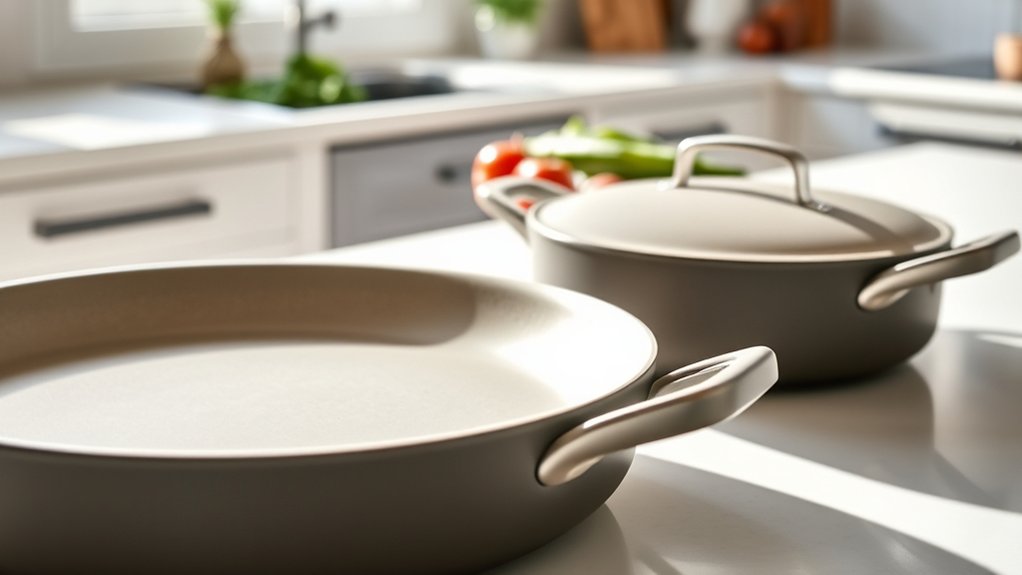
You’ll want to know what materials Our Place uses in their cookware to feel confident about its safety. From the core components to the non-toxic coatings and handle details, each part plays a role in performance and health.
Let’s explore what goes into making their products safe for your kitchen.
Core Cookware Components
When you choose Our Place cookware, you’re getting pieces made from thoughtfully selected materials designed for safety and performance. The core component is hard-anodized aluminum, known for its durability and excellent heat distribution. This material heats evenly, reducing hot spots that can burn your food, while also resisting warping over time.
Alongside aluminum, Our Place often uses stainless steel for structural support and handles, ensuring strength and longevity. The combination of these materials means your cookware is lightweight yet sturdy, making it easy to handle and reliable for daily use.
Non-Toxic Coating Materials
Because the coating directly touches your food, Our Place prioritizes non-toxic materials that keep your meals safe and healthy. They use a ceramic-based non-stick coating free from harmful chemicals like PFOA, PFAS, lead, and cadmium. This means you won’t have to worry about toxic substances leaching into your dishes.
The ceramic coating also guarantees even heat distribution and durability, so your cookware performs well over time. Plus, it’s easy to clean, reducing the need for excessive scrubbing or harsh cleaning agents that could damage the surface.
Handle And Accessory Elements
Although the cookware’s surface plays a crucial role in safety and performance, the materials used for handles and accessories are equally important. Our Place uses handles made from sturdy, heat-resistant silicone and stainless steel, guaranteeing they stay cool and safe to touch during cooking. These materials don’t release harmful chemicals when heated, so you can cook confidently.
The silicone provides a comfortable grip, while stainless steel offers durability and a sleek look. Accessories like lids feature tempered glass with stainless steel rims, allowing you to monitor your food without lifting the lid and losing heat. By choosing these non-toxic, high-quality materials, Our Place guarantees every element of their cookware supports your health and cooking experience effectively.
Harmful Chemicals to Watch for in Our Place Cookware
You should know which harmful chemicals might be in Our Place cookware before you use it. Common toxic ingredients, heavy metals, and non-stick coatings can all impact your health.
Let’s explore what risks these substances might pose.
Common Toxic Ingredients
When choosing cookware, it’s important to be aware of common toxic ingredients that can pose health risks. You should watch out for perfluorooctanoic acid (PFOA), often used in non-stick coatings. Though many brands have phased it out, leftover traces might still be present.
Polytetrafluoroethylene (PTFE), another non-stick chemical, can release harmful fumes if overheated. Avoid cookware coated with lead or cadmium, as these heavy metals can leach into food, causing serious health issues. Also, steer clear of cookware containing BPA (bisphenol A), a chemical sometimes found in plastic handles or lids that disrupts hormones.
Impact of Heavy Metals
Non-stick coatings and plastics aren’t the only sources of concern in cookware—heavy metals like lead, cadmium, and arsenic can also pose serious health risks. These metals can leach into your food, especially when cookware is scratched, damaged, or made with low-quality materials. Consuming heavy metals over time may lead to kidney damage, neurological issues, and other chronic health problems.
To stay safe, you should check if Our Place cookware undergoes rigorous testing for heavy metals and meets strict safety standards. Look for certifications that confirm the absence or safe levels of these contaminants. By being vigilant about heavy metals, you guarantee that your cookware not only performs well but also keeps your meals free from harmful toxins.
Risks of Non-Stick Coatings
Although convenient and popular, many non-stick coatings contain chemicals that can pose health risks if they degrade or overheat. When you use cookware with traditional non-stick surfaces, be aware of substances like PFOA and PFAS, which may release toxic fumes at high temperatures. These fumes can irritate your lungs and potentially cause long-term health issues.
To protect yourself, avoid heating cookware beyond recommended temperatures and never preheat an empty pan. Our Place cookware uses safer non-stick materials, but it’s wise to verify this by checking product details or contacting the manufacturer. By staying informed and cautious, you can enjoy the benefits of non-stick cookware while minimizing your exposure to harmful chemicals.
Always prioritize cookware labeled as free from toxic substances for peace of mind.
Is Our Place’s Ceramic Non-Stick Coating Safe?
Because you want cookware that’s both effective and safe, it’s important to understand what makes Our Place’s ceramic non-stick coating stand out. This coating is designed to be free from harmful chemicals like PTFE and PFOA, commonly found in traditional non-stick surfaces.
Instead, it uses a ceramic-based formula that resists sticking naturally and withstands high cooking temperatures without releasing toxic fumes. You’ll appreciate that it’s also scratch-resistant, ensuring durability over time without degrading its safety.
While ceramic coatings can wear down eventually, Our Place’s formulation prioritizes non-toxicity and user safety above all. So, when you cook with their pans, you can feel confident you’re using a product that reduces chemical exposure while delivering reliable non-stick performance.
How to Check Your Our Place Cookware for Toxins
When you want to guarantee your Our Place cookware remains safe, regularly checking for signs of wear or damage is key. Inspect the non-stick ceramic coating closely—if you notice chipping, peeling, or discoloration, it may release toxins during cooking. Also, examine the cookware’s surface for scratches or cracks that can harbor bacteria or compromise non-toxic properties.
Confirm that any labels or certifications, like PFOA-free or PTFE-free, are intact and legitimate. Avoid using metal utensils that can damage the coating, leading to potential toxin exposure. If you detect unusual odors or residues after cooking, thoroughly clean the cookware or reconsider its use.
Staying vigilant helps assure your Our Place cookware stays toxin-free and safe for everyday meals.
How to Use Our Place Cookware Safely Every Day
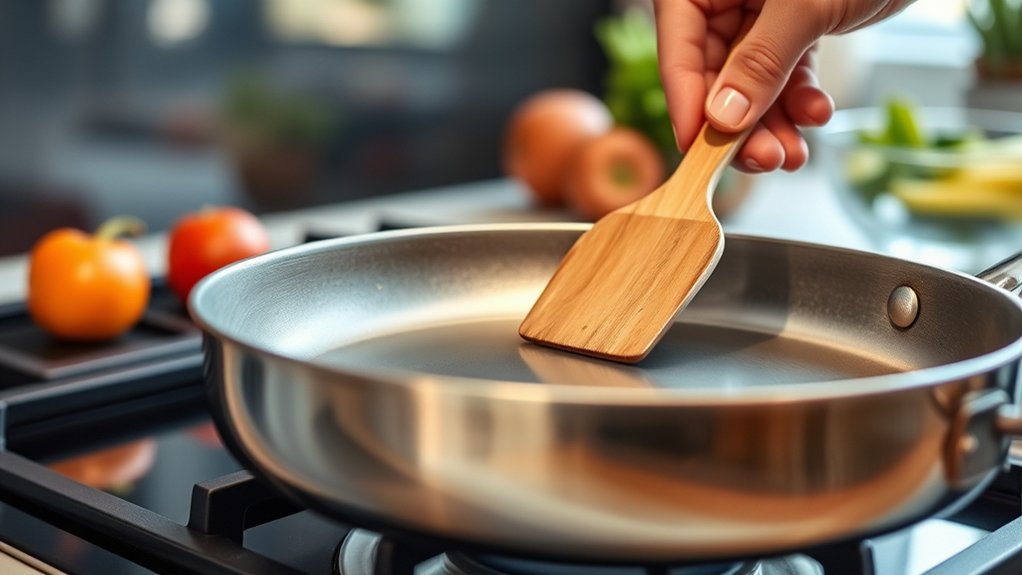
To keep your Our Place cookware safe every day, you should handle and clean it with care to preserve its non-toxic qualities. Avoid using metal utensils that can scratch the surface; instead, opt for silicone, wood, or nylon tools. When cooking, stick to low or medium heat to prevent damaging the coating and releasing unwanted chemicals.
After use, hand-wash your cookware with warm, soapy water and a soft sponge, avoiding abrasive cleaners or scouring pads. Dry it thoroughly to prevent rust or water spots. Store your pots and pans properly, avoiding stacking that could cause scratches.
How Our Place Cookware Stacks Up on Safety vs. Other Brands
Maintaining your Our Place cookware properly helps preserve its safety, but you might wonder how it compares to other brands on the market. Our Place stands out by using non-toxic ceramic coatings free from PTFE, PFOA, and heavy metals, which are common concerns with traditional nonstick pans. Many conventional brands still rely on chemical-based coatings that can degrade over time, potentially releasing harmful substances.
In contrast, Our Place’s materials prioritize health without sacrificing performance. Additionally, their cookware is designed to be durable and resistant to scratching, reducing the risk of toxic exposure from worn surfaces. When you choose Our Place, you’re opting for a safer alternative that aligns with current health-conscious standards, offering peace of mind compared to many alternatives loaded with questionable chemicals.
Do Customer Reviews Confirm Our Place Cookware Safety?
You’ll find that customer reviews often highlight the safety of Our Place cookware based on real experiences. Many users address common concerns, sharing how the products hold up over time.
Let’s see what their long-term use reveals about safety and reliability.
User Experiences Highlight Safety
Although safety claims can sound promising, customer reviews often provide the clearest insight into how Our Place cookware performs in real kitchens. When you read firsthand experiences, you’ll notice many users appreciate the cookware’s non-toxic materials and feel confident cooking with it daily. People frequently highlight the absence of harmful chemicals like PFAS and PFOA, reinforcing its safety profile.
You’ll also find remarks about the cookware’s durability and how it maintains its non-stick surface without releasing toxins over time. These positive reports suggest that Our Place cookware lives up to its safety promises. By considering user feedback, you can better judge whether this cookware meets your health and cooking standards before making a purchase decision.
Common Concerns Addressed
Customer reviews not only praise Our Place cookware but also raise common concerns that many prospective buyers share. You might wonder if the non-toxic claims hold up in real kitchens. Here’s what customers frequently discuss:
- Material Safety: Most confirm the absence of harmful chemicals like PFOA and PFAS.
- Durability: Some worry about scratches or coatings wearing off, but many report long-lasting use without issues.
- Heat Resistance: Users often question if the cookware handles high heat safely; feedback shows it performs well within recommended temperatures.
- Cleaning Ease: Concerns about residue buildup arise, yet many find it easy to clean without harsh scrubbing.
Long-Term Use Insights
When you rely on cookware daily, its long-term safety becomes essential. You want reassurance that Our Place cookware won’t degrade or release harmful substances over time. Customer reviews often highlight durability and non-toxic performance, confirming its safety claims.
Many users report no peeling or chemical smells even after months of use. Here’s a snapshot of common long-term feedback:
| Review Aspect | Positive Feedback | Concerns Reported |
|---|---|---|
| Durability | Maintains coating after 6 months | Minor scratches |
| Chemical Safety | No odors or toxic residues | None |
| Heat Resistance | Handles high heat well | Some warping (rare) |
| Cleaning Ease | Easy to clean, no residue buildup | Occasional staining |
| Overall Satisfaction | High recommendation rate | Few isolated complaints |
This feedback suggests you can trust Our Place cookware for safe, long-term use.
Where Can You Find Official Safety Certifications for Our Place?
If you want to verify the safety of Our Place cookware, you can find official certifications on their website and product packaging. These certifications prove the cookware meets health and safety standards.
Here’s where to look:
- Our Place Website: Check the product details or FAQ sections for certifications like FDA approval or LFGB compliance.
- Product Packaging: Look for certification logos or seals printed directly on the box or labels.
- User Manuals: Safety certificates and material information are often included in the instruction booklet.
- Customer Support: Contact Our Place directly to request detailed certification documents or test reports.
When You Should Replace or Stop Using Your Our Place Cookware
Knowing where to find official safety certifications can give you confidence in your Our Place cookware’s quality. However, you should substitute or stop using your cookware if you notice any damage like deep scratches, chips, or peeling non-stick surfaces. These signs indicate the protective coating is compromised, increasing the risk of toxic substances leaching into your food.
Also, if your cookware warps or the handles become loose or cracked, it’s time to retire it for safety reasons. Regularly inspect your cookware to catch these issues early. Even with proper care, non-stick coatings wear down over time, so replacing your cookware every few years ensures you maintain a safe cooking environment.
Don’t wait for visible damage—prioritize your health by upgrading when needed.
Frequently Asked Questions
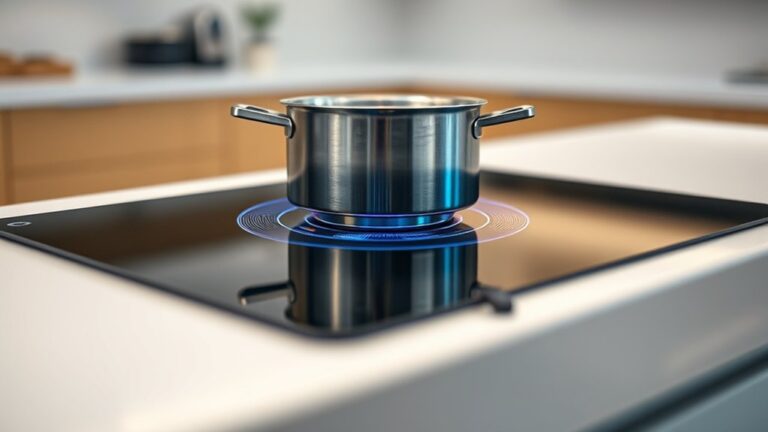
Can Our Place Cookware Be Used on Induction Stovetops?
Yes, you can use Our Place cookware on induction stovetops if it has a magnetic base.
Check the product details or test with a magnet to confirm compatibility before cooking on induction surfaces.
Is Our Place Cookware Dishwasher Safe?
Want to skip scrubbing stubborn stains after cooking? Yes, Our Place cookware is dishwasher safe, so you can toss it in without worry.
Just avoid harsh detergents to keep its finish looking great longer.
Does Our Place Offer a Warranty on Their Cookware?
Yes, Our Place offers a warranty on their cookware. You can expect coverage against manufacturing defects, typically for one year.
Always check their official website or contact customer service to confirm the exact warranty details for your purchase.
How Heavy Is Our Place Cookware Compared to Other Brands?
Coincidentally, Our Place cookware feels lighter than many brands you’ve tried. You’ll notice it’s designed for easy handling without sacrificing durability, so cooking stays comfortable and efficient, even compared to heavier traditional options you might own.
Can Our Place Cookware Be Used in the Oven?
Yes, you can use Our Place cookware in the oven. Just make sure the temperature doesn’t exceed the manufacturer’s recommended limit, usually around 450°F, to keep your pans safe and durable for all your cooking adventures.
Conclusion
You might worry about hidden toxins in Our Place cookware, but rest assured, they prioritize non-toxic, safe materials. Their ceramic non-stick coating avoids harmful chemicals like PFOA and PFAS, making your cooking healthier.
By checking certifications and following care tips, you can confidently use their products without worry. So go ahead—enjoy cooking with Our Place cookware, knowing it’s designed with your safety and well-being in mind.
When considering if Our Place cookware is safe, remember to look for non-toxic materials and reliable certifications. This ensures your cookware supports a healthy kitchen environment. Trust Our Place for cookware that combines safety, quality, and peace of mind.