Can You Grill in the Garage Safely?
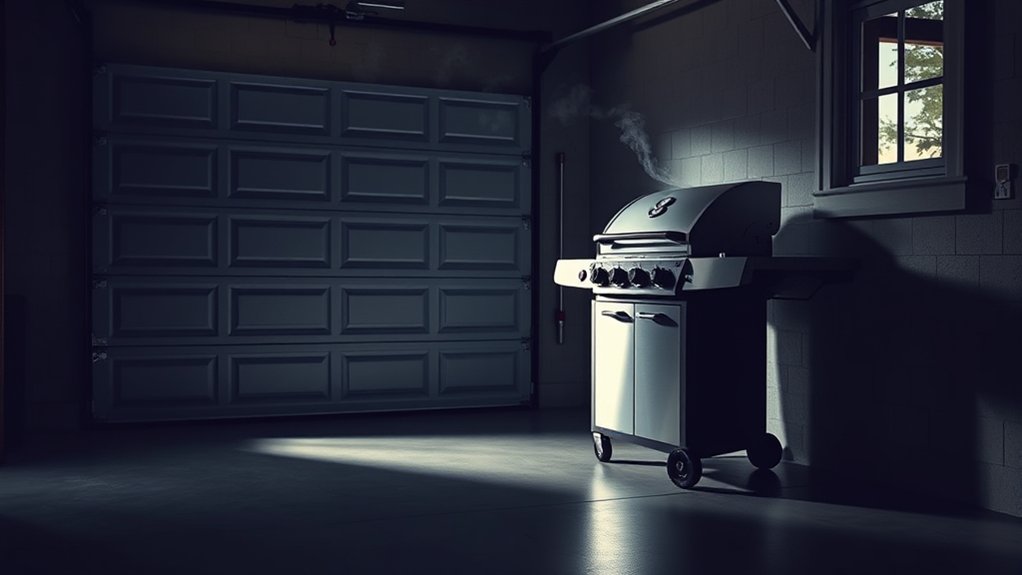
You shouldn’t grill in your garage safely unless you have proper ventilation and take strict safety measures. Grilling in the garage poses significant risks due to the confined space and presence of flammable items.
Garages often store gasoline, paint, and other combustibles, which increase fire hazards.
Grills emit carbon monoxide, a colorless and odorless gas that can quickly become deadly in enclosed spaces. Smoke from grilling also harms indoor air quality and poses health risks.
Using safer grill types and maintaining ventilation can help reduce these dangers.
However, grilling outdoors is always a better and safer option.
If you want to understand the hazards and how to reduce risks while grilling in enclosed spaces, keep exploring this topic for essential safety tips and guidelines.
Key Takeaways
- Grilling in the garage poses serious fire and carbon monoxide poisoning risks due to confined space and flammable materials. Proper ventilation with open doors, windows, and fans is essential to prevent dangerous carbon monoxide buildup. Always use grills certified for indoor or enclosed space use, and keep flammable items far from the grilling area.
- Install carbon monoxide detectors and keep a fire extinguisher nearby to enhance safety during garage grilling. When ventilation or safety measures are inadequate, avoid garage grilling and opt for outdoor grilling instead.
Why Grilling in the Garage Is Risky
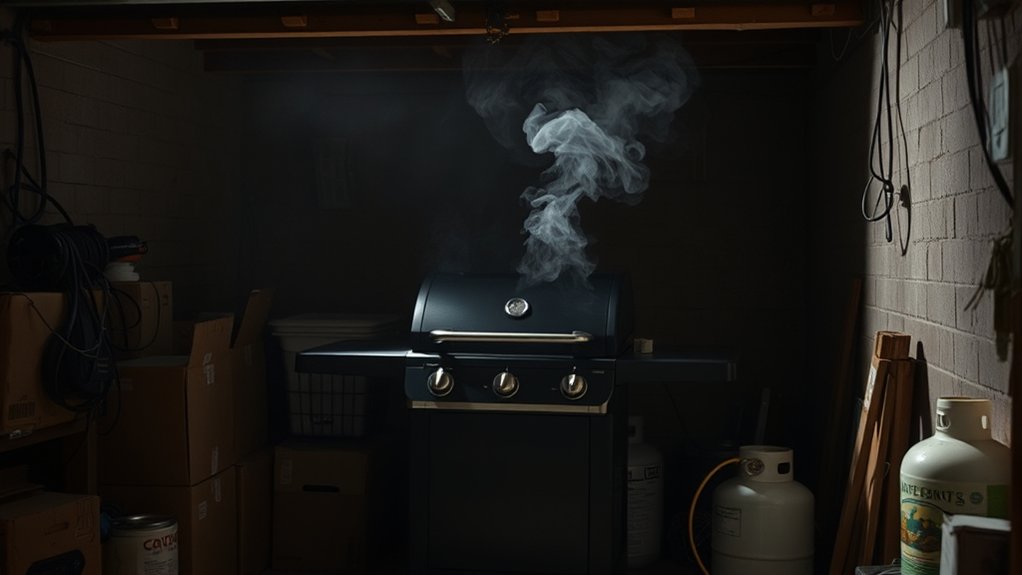
Although it might seem convenient, grilling in your garage poses serious dangers. First, garages often contain flammable items like gasoline, paint, and cleaning supplies. A stray spark or high heat from your grill can ignite these materials quickly.
Second, garages are usually enclosed spaces with limited ventilation, increasing the risk of fire spreading rapidly before you notice. Third, the confined area can cause heat to build up, potentially damaging your garage structure or setting off fire alarms unnecessarily.
Finally, grilling indoors or semi-indoors increases the chance of accidental burns and injuries because there’s less space to move safely around the grill. To keep yourself and your property safe, it’s best to avoid grilling in your garage altogether.
Why Carbon Monoxide Is Dangerous When Grilling Indoors
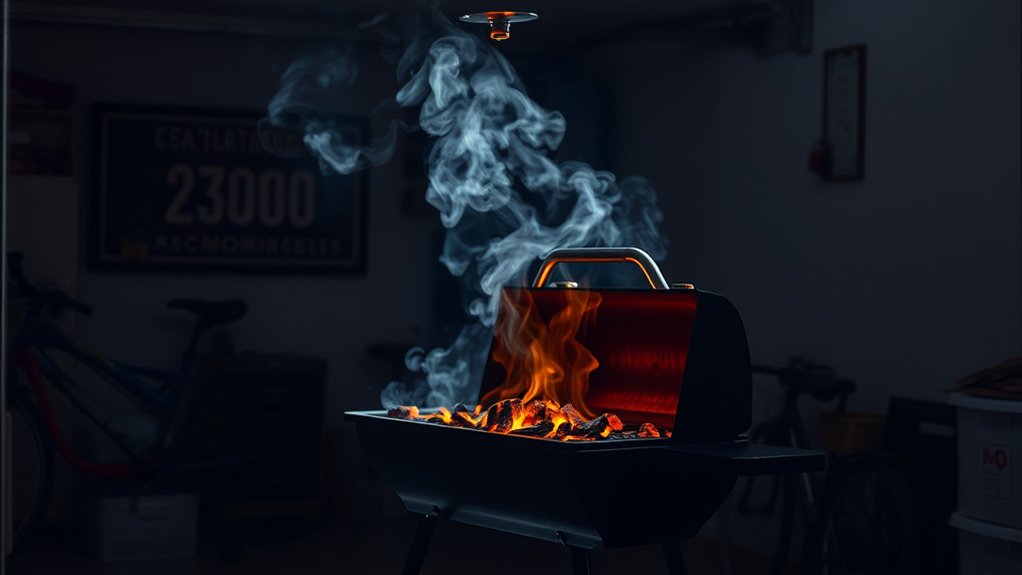
When you grill indoors, carbon monoxide from your grill can build up quickly and become deadly. This invisible gas can cause headaches, dizziness, or worse without proper ventilation.
You need to understand where it comes from and why fresh air is essential when grilling inside.
Carbon Monoxide Sources
Because grilling produces carbon monoxide (CO), a colorless and odorless gas, you need to be especially cautious when using grills indoors. CO forms when fuel burns incompletely, which happens with charcoal, propane, or natural gas grills.
In a closed space like your garage, CO builds up quickly, becoming hazardous. Understanding common CO sources helps you avoid dangerous exposure.
| Grill Type | Fuel Used | CO Emission Level |
|---|---|---|
| Charcoal Grill | Charcoal | High |
| Gas Grill | Propane/Natural Gas | Moderate |
| Electric Grill | Electricity | Low/None |
Knowing these sources lets you choose safer options and keep your space ventilated to prevent CO buildup.
Health Risks Explained
Since carbon monoxide (CO) is odorless and invisible, you might not realize you’re being exposed until symptoms appear. When you grill indoors, CO can quickly build up to dangerous levels because it binds to hemoglobin in your blood, reducing oxygen delivery to your organs. This can cause headaches, dizziness, nausea, confusion, and in severe cases, loss of consciousness or death.
Your body’s inability to detect CO makes it especially hazardous—by the time you feel unwell, you could already be suffering serious effects. Even short-term exposure can harm your cardiovascular and nervous systems. Understanding these health risks underscores why grilling indoors without proper safety measures puts you and anyone else nearby in real danger.
Always take CO seriously to protect your health.
Ventilation Importance
Although carbon monoxide is invisible and silent, proper ventilation plays an essential role in keeping you safe while grilling indoors. When you grill in a garage without enough airflow, carbon monoxide can quickly build up to dangerous levels. This gas binds to your blood’s hemoglobin, reducing oxygen delivery to your organs, which can cause dizziness, headaches, or even death.
You might not notice symptoms until it’s too late, so don’t take chances. To protect yourself, always make sure your garage has ample ventilation—open doors and windows, and consider using fans to circulate fresh air. Never rely on a closed space to disperse fumes.
Fire Hazards When Grilling in the Garage
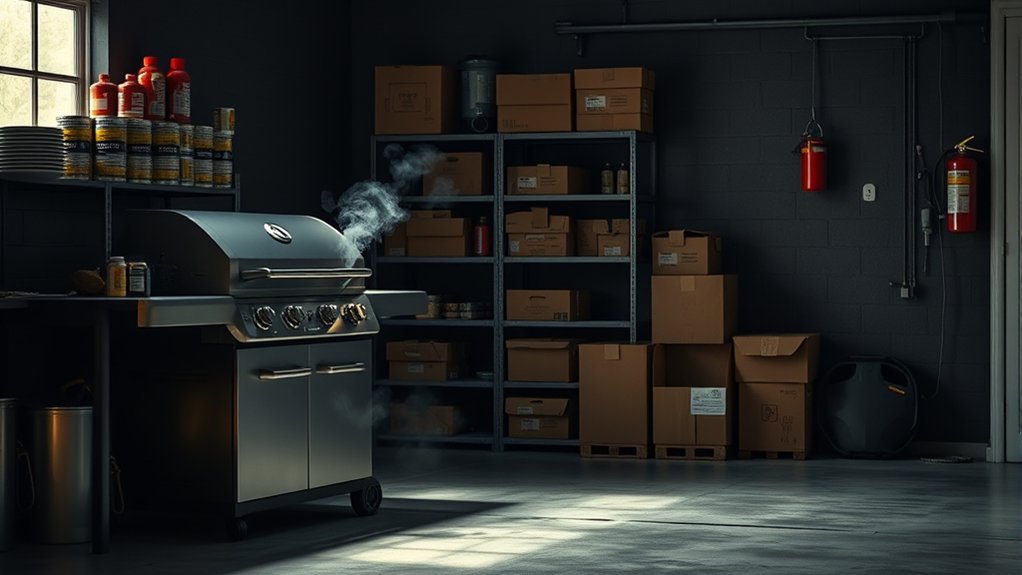
When you grill in your garage, keep flammable materials far from the heat to avoid accidental fires. Proper ventilation is essential to prevent smoke buildup that can damage your lungs and obscure your vision.
Let’s look at how you can manage these risks effectively.
Flammable Materials Risk
Because garages often store flammable materials like gasoline, paint, and cleaning supplies, grilling inside poses a serious fire risk. When you grill in your garage, sparks or heat from the grill can easily ignite these substances, leading to a dangerous fire. You might not notice fuel spills or aerosol cans nearby, but they can quickly exacerbate the situation.
To reduce this risk, remove or securely store all flammable items far from the grilling area. Keep fuel containers sealed tightly and avoid placing the grill near any combustible materials. Even small amounts of flammable liquids can cause big problems.
Staying vigilant about what’s stored around your grill is essential to preventing accidental fires and keeping you and your property safe.
Ventilation and Smoke Hazards
Besides the risk of igniting flammable materials, grilling in your garage creates serious ventilation and smoke hazards. Garages are typically enclosed spaces with limited airflow, causing smoke and toxic gases like carbon monoxide to build up quickly. This not only poses a health risk but also increases the chances of fire.
You might not notice the danger until it’s too late. Proper ventilation is essential; without it, harmful fumes can linger and affect your breathing. Opening doors and windows might help, but it’s rarely enough to guarantee safe air circulation.
Instead, it’s best to grill outdoors where smoke can disperse freely. If you must grill in the garage, invest in a powerful exhaust fan and carbon monoxide detector to reduce these risks effectively.
How Smoke Harms Indoor Air Quality and Health
Although grilling in your garage might seem convenient, smoke can quickly degrade your indoor air quality and pose serious health risks. When smoke accumulates indoors, it releases harmful pollutants like carbon monoxide, particulate matter, and volatile organic compounds. These irritate your lungs, eyes, and throat, making it harder to breathe and increasing the risk of respiratory issues, especially if you have asthma or allergies.
Prolonged exposure can lead to headaches, dizziness, and even long-term heart and lung diseases. Children, elderly individuals, and those with preexisting conditions are especially vulnerable. Even short-term exposure can cause discomfort and reduce your overall well-being.
To protect yourself and your family, it’s essential to avoid creating smoky environments inside your home, including your garage.
Why Garages Lack Proper Grill Ventilation
When you grill indoors, your garage often lacks the ventilation needed to safely disperse smoke and fumes. Unlike outdoor spaces, garages are usually enclosed with minimal airflow. They often have just one door and few, if any, windows.
This design traps smoke and harmful gases, like carbon monoxide, inside. Garages also tend to have insulated walls and sealed doors to maintain temperature, which further restricts fresh air exchange. Without proper vents or exhaust fans, these toxic byproducts build up quickly, creating a dangerous environment.
Even if you crack a door, it usually isn’t enough to guarantee adequate airflow. So, when you think about grilling in your garage, remember it’s not just about space—it’s about the lack of proper ventilation that makes it unsafe.
How to Set Up Ventilation for Safe Garage Grilling
To grill safely in your garage, you need to focus on creating effective airflow that removes smoke and fumes quickly. Start by positioning fans or vents to bring in fresh air and push out contaminated air.
Installing a proper exhaust system will help maintain a safe environment while you cook.
Effective Airflow Strategies
Setting up proper ventilation is essential for grilling safely in your garage because it prevents the buildup of smoke and dangerous gases. To maintain effective airflow, you need to focus on how air moves in and out of your space.
Here are some strategies to help you set up ventilation:
- Open garage doors and windows to create cross-ventilation.
- Use fans to direct smoke and fumes outside.
- Avoid blocking air vents or windows near your grill.
- Keep the garage door partially open if weather permits.
- Position your grill close to an open exit for quick smoke escape.
Installing Exhaust Systems
While opening doors and using fans can improve airflow, relying solely on these methods might not provide the consistent ventilation your garage needs during grilling. Installing an exhaust system guarantees smoke, fumes, and carbon monoxide are effectively removed. You’ll want to select a high-quality exhaust fan designed for garages or commercial kitchens, as they offer strong air exchange rates.
Position the fan near your grilling area, ideally opposite an air intake point like a door or window, to create a steady flow of fresh air. Make sure the exhaust vents directly outside, away from any windows or openings to prevent recirculation. Regularly maintain and clean the system to keep it operating efficiently.
Proper installation and upkeep of exhaust systems are essential for grilling safely indoors.
Indoor Grilling: What Safety Codes Require
Because grilling indoors poses unique risks, you need to follow specific safety codes designed to protect your home and health. These regulations focus on minimizing fire hazards and ensuring proper ventilation.
Indoor grilling requires following safety codes to protect your home and ensure proper ventilation.
Before firing up your grill inside, make sure you maintain at least a 10-foot clearance from walls and combustible materials. Ensure your space has approved ventilation systems to remove smoke and gases. Use grills certified for indoor use by recognized safety organizations.
Install carbon monoxide detectors near your grilling area. Follow local fire codes requiring accessible fire extinguishers.
Adhering to these codes helps prevent accidents and keeps your indoor grilling experience safe. Always check with local authorities for any additional requirements in your area before you grill inside.
Safer Grills for Garage Use
Grilling indoors means paying close attention to safety codes, but if you want to grill in your garage, choosing the right grill can make all the difference. Opt for electric grills or infrared grills, as they produce less smoke and don’t require open flames or propane tanks, reducing fire risks. Pellet grills can also be a safer choice because they have controlled combustion and often come with built-in safety features.
Avoid traditional charcoal or gas grills since they emit harmful carbon monoxide and pose higher fire hazards indoors. Look for grills with built-in carbon monoxide detectors or automatic shut-off systems to enhance safety. By picking a grill designed for indoor or enclosed spaces, you’re taking an important step toward safer garage grilling.
Precautions for Safe Garage Grilling
If you plan to grill in your garage, you need to take specific precautions to keep yourself and your property safe. Grilling indoors or in enclosed spaces increases risks like carbon monoxide buildup and fire hazards. To protect yourself, follow these key steps:
- Make certain proper ventilation by opening doors and windows.
- Use a carbon monoxide detector nearby.
- Keep a fire extinguisher within reach.
- Clear the area of flammable materials and clutter.
- Never leave the grill unattended while in use.
When to Avoid Grilling in the Garage
Taking the right precautions can greatly reduce risks, but there are times when you simply shouldn’t grill in your garage. Avoid grilling indoors if your garage lacks proper ventilation, since harmful gases like carbon monoxide can build up quickly. Don’t grill in the garage if you notice any gas leaks or faulty equipment; these increase the risk of fire or explosion.
Also, skip grilling inside if your garage stores flammable materials nearby, such as gasoline or paint, as sparks could ignite them. If you’re feeling unwell or dizzy, never grill in the garage—carbon monoxide exposure can worsen symptoms. Finally, avoid grilling in the garage during extreme weather that forces you to keep doors closed, limiting airflow.
In these situations, it’s safer to grill elsewhere.
Safer Alternatives to Garage Grilling
When safety is a priority, you’ll want to contemplate outdoor options like patios or backyards for your cooking. These spaces provide better ventilation and reduce fire hazards compared to grilling in your garage.
If outdoor space is limited, consider safer alternatives to keep your grilling enjoyable and secure:
- Use electric grills designed for indoor or covered spaces.
- Opt for a smokeless tabletop grill on your balcony or porch.
- Try a pellet grill with built-in safety features.
- Invest in a portable propane grill with automatic shut-off.
- Utilize community grilling areas or designated barbecue spots.
Frequently Asked Questions
Can Electric Grills Be Used Safely in a Garage?
Yes, you can safely use electric grills in your garage if you guarantee proper ventilation, keep flammable materials away, and never leave the grill unattended.
Always follow the manufacturer’s safety guidelines to prevent hazards.
How Do Weather Conditions Affect Garage Grilling Safety?
Weather conditions can be a double-edged sword when grilling in your garage; high humidity or cold can cause moisture buildup, increasing fire risks and affecting ventilation.
What Maintenance Is Required for Grills Used Indoors?
You’ll need to clean grease buildup regularly, check gas connections for leaks, and guarantee proper ventilation systems are functioning.
Inspect burners and vents often to prevent blockages, and replace worn parts promptly to keep your indoor grill safe and efficient.
Are There Insurance Implications for Grilling in a Garage?
Grilling in a garage can be like playing with fire—insurance companies often frown on it. You’ll likely face higher premiums or denied claims if a fire starts, so check your policy and avoid unnecessary risks.
It’s important to understand the potential consequences before you start grilling indoors. Always prioritize safety and consider alternative locations for your grill. Taking these precautions can help protect you and your property.
Can Pets Be Harmed by Indoor Grilling Fumes?
Yes, pets can be harmed by indoor grilling fumes because they’re sensitive to smoke and carbon monoxide. You shouldn’t grill indoors without proper ventilation, or you risk exposing your pets to dangerous respiratory problems or poisoning.
Conclusion
You might think grilling in your garage is a clever way to avoid the weather, but ironically, it’s one of the riskiest places you can choose. From deadly carbon monoxide to dangerous fire hazards and poor ventilation, your garage is hardly a safe grilling spot.
So, unless you want your cookout to turn into an emergency, consider safer alternatives or take every precaution seriously. Grilling indoors shouldn’t be your unexpected recipe for disaster. Always prioritize safety and proper ventilation when deciding where to grill.