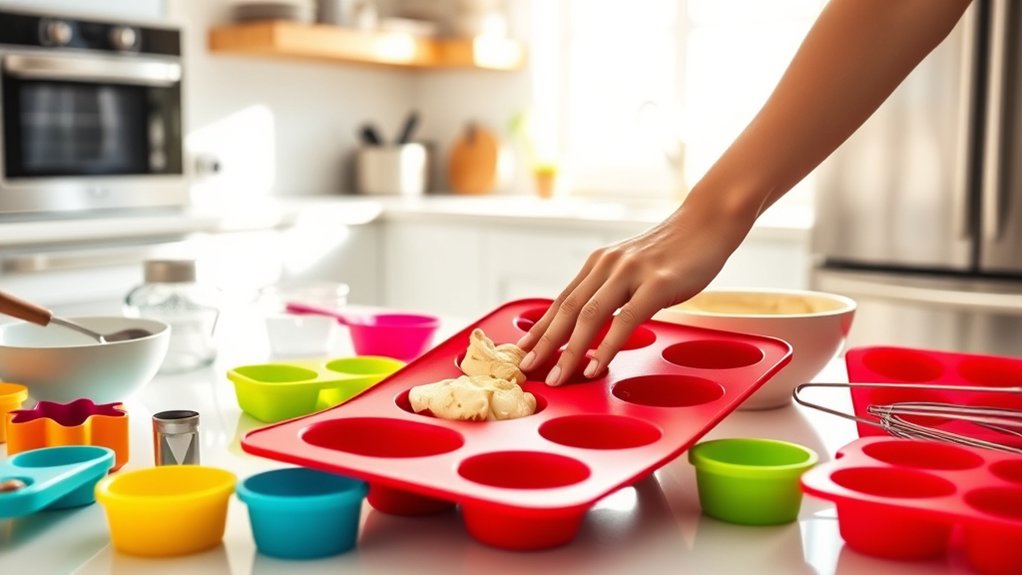
How to Use Silicone Cookware in 7 Easy Steps
To use silicone cookware in 7 easy steps, start by choosing the right type of silicone bakeware or cookware for your specific cooking needs. Check its heat limits and safety certifications to ensure durability and safety during use. Silicone cookware is known for its flexibility, non-stick properties, and heat resistance, making it a popular choice in modern kitchens.
Next, prep your silicone cookware by washing it thoroughly before the first use. You can also optionally season it to enhance its performance.
Always follow the manufacturer’s guidelines for heat sources, avoiding direct flames or broilers unless the cookware is explicitly rated for such use.
After cooking, clean your silicone cookware gently with warm soapy water. Store it properly to maintain its shape and longevity.
Avoid using sharp utensils or exposing the cookware to extreme temperatures to prevent damage. Keep going to discover more tips and tricks for perfect results.
Key Takeaways
- Wash silicone cookware with warm, soapy water before first use to remove residues and odors.
- Verify heat source compatibility and avoid direct flame or broiler use unless specified by the manufacturer.
- Use silicone cookware in ovens or microwaves within recommended temperature limits (up to 428°F/220°C).
- Place cookware on racks or pans when using electric or induction cooktops to prevent damage.
- Clean gently with soft sponges after use and store flat or nested to maintain shape and durability.
Which Silicone Cookware Is Right for You?
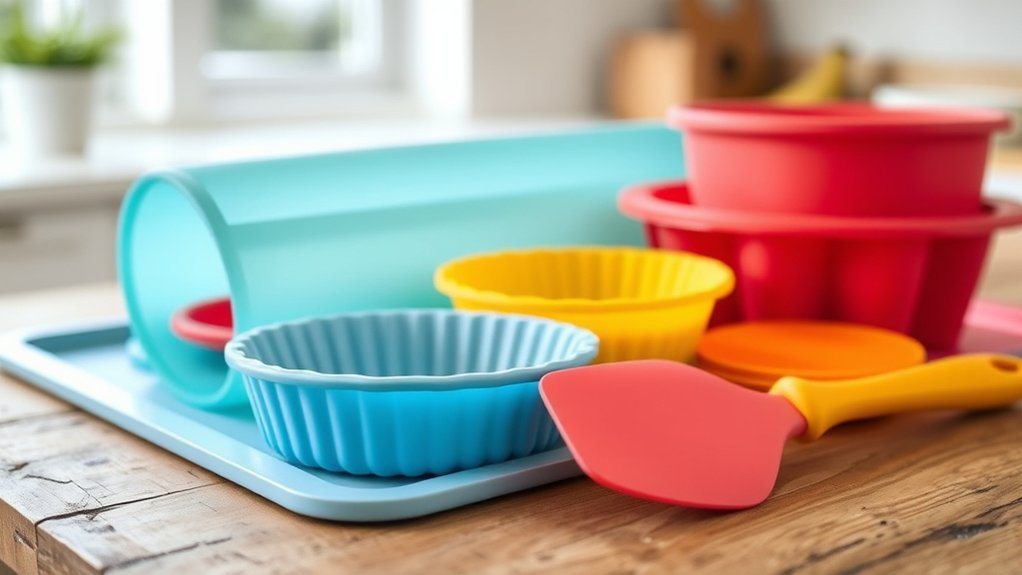
How do you choose the right silicone cookware for your kitchen? Start by considering what you’ll cook most often. If you bake a lot, silicone baking mats or muffin cups work great.
For cooking or steaming, look for pots or steamers made from food-grade silicone. Check the temperature range to guarantee it fits your cooking style—some silicone withstands higher heat than others. Also, consider flexibility versus sturdiness; flexible silicone is easy to store, but firmer pieces hold their shape better during cooking.
Don’t forget size and shape, which impact how your cookware fits in your oven or storage space. Finally, pick products that are BPA-free and FDA-approved to guarantee safety. That way, you’ll get silicone cookware tailored to your needs and kitchen setup.
How to Use Silicone Cookware Safely on Any Heat Source
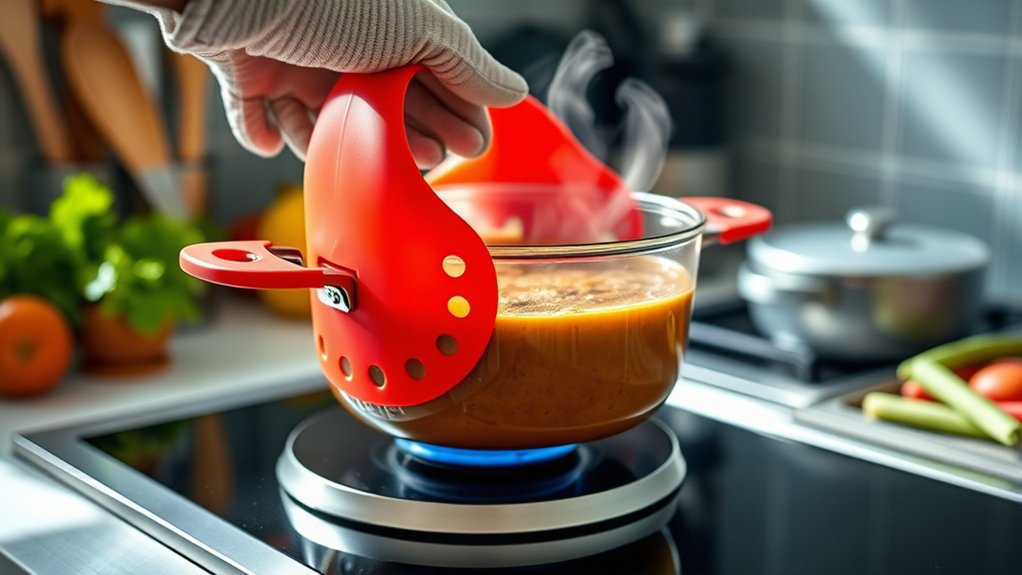
Although silicone cookware is known for its versatility, you should always check the manufacturer’s guidelines to verify it’s safe for your specific heat source. Silicone can usually handle temperatures up to 428°F (220°C), making it suitable for ovens and microwaves. However, avoid using silicone cookware directly on stovetops or open flames, as direct contact with high heat can damage it.
When using silicone on electric or induction cooktops, place cookware on a pan or rack to prevent melting. Also, never use silicone cookware under a broiler unless explicitly stated safe by the manufacturer. By following these precautions, you’ll protect your cookware and ensure safe cooking on almost any heat source without compromising performance or safety.
How to Prep Silicone Cookware Before First Use
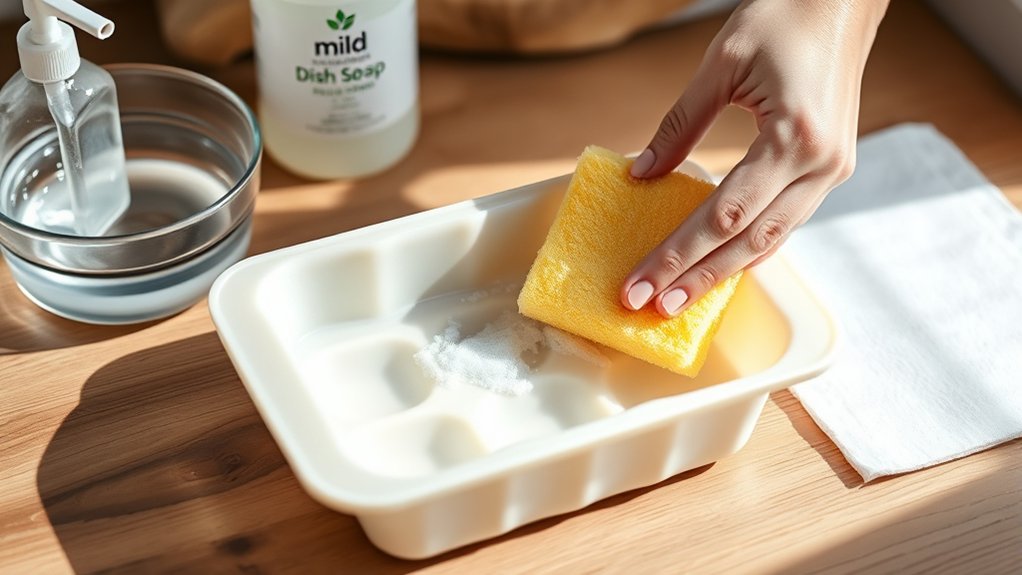
Before you use your silicone cookware for the first time, give it a thorough cleaning to remove any manufacturing residues. After washing, you can season it lightly with a bit of oil to enhance its non-stick properties.
This simple prep will help your silicone cookware perform its best right from the start.
Cleaning Silicone Cookware
Since silicone cookware often comes with manufacturing residues or dust, you’ll want to give it a thorough cleaning before using it for the first time. Start by washing the cookware in warm, soapy water using a soft sponge or cloth. Avoid abrasive scrubbers that can damage the silicone surface.
Rinse it well to remove all soap residues, then dry it completely with a clean towel or let it air dry. If there’s any lingering odor, soak the cookware in a mixture of warm water and vinegar for 15-20 minutes before rinsing again.
Initial Seasoning Tips
When you’re ready to prep your silicone cookware for its first use, seasoning it properly can enhance its non-stick properties and extend its lifespan. Start by washing the cookware with warm, soapy water, then rinse and dry it thoroughly.
Next, apply a thin layer of cooking oil—like vegetable or canola oil—over the entire surface. Use a paper towel to spread the oil evenly, ensuring full coverage without excess pooling.
Place the oiled cookware in a preheated oven at 350°F (175°C) for about 30 minutes to allow the oil to bond with the silicone. Afterward, let it cool completely before wiping off any remaining oil.
This simple seasoning process prepares your silicone cookware for smoother cooking and easier cleanup right from the start.
Avoid Common Silicone Cookware Mistakes
Although silicone cookware is versatile and easy to use, you can still run into common mistakes that affect its performance and longevity. First, don’t expose your silicone bakeware to direct flames or stovetop heat—it’s designed for ovens and microwaves only. Avoid sharp utensils that can tear or puncture the silicone surface; instead, use silicone, wooden, or plastic tools.
Never use abrasive cleaners or scouring pads, as they can damage the non-stick coating. Also, don’t store silicone cookware folded or bent for long periods, as it may lose its shape. Finally, avoid sudden temperature changes, like moving cookware from freezer to hot oven, which can cause warping.
Clean and Care for Your Silicone Cookware Properly
Taking good care of your silicone cookware goes hand in hand with avoiding common mistakes. To clean it properly, wash your silicone pieces with warm, soapy water after each use. Avoid abrasive scrubbers that can damage the surface; instead, use a soft sponge or cloth.
If stubborn residue sticks, soak the cookware in hot, soapy water for a few minutes before scrubbing gently. Silicone is dishwasher safe, but hand washing helps extend its lifespan. Dry your cookware thoroughly to prevent any lingering moisture that could cause odors.
Also, avoid using harsh chemicals or bleach, as these can degrade the material. By following these simple steps, you’ll keep your silicone cookware clean, safe, and ready for your next culinary adventure.
Store Silicone Cookware to Keep Its Shape and Quality
To keep your silicone cookware in top shape, store it flat or gently nested without heavy items on top. Avoid folding or cramming it into tight spaces to prevent deformation.
Taking these simple steps helps maintain its quality and longevity.
Proper Silicone Cookware Storage
When you store silicone cookware properly, you protect its shape and extend its lifespan. You want to keep your silicone pieces clean and dry before putting them away. Avoid folding or compressing them tightly, which can cause permanent creases.
Instead, find a spacious, cool, and dry place to store your cookware. Here are some tips to help you visualize proper storage:
- Nest silicone molds gently inside each other without squeezing
- Lay baking mats flat in a drawer or on a shelf
- Hang silicone pot holders or trivets using hooks
- Use breathable fabric bags or containers to avoid moisture buildup
Avoiding Deformation Tips
Although silicone cookware is flexible, you should handle it carefully to prevent deformation. Avoid stacking heavy items on top of your silicone pieces, as this can cause them to lose their shape. Store them flat or hang them using hooks designed for silicone.
Keep your cookware away from sharp objects to prevent dents or tears. Also, avoid extreme temperature changes immediately after use, which might warp the material. Following these simple steps will keep your silicone cookware looking and functioning like new.
| Tip | Reason |
|---|---|
| Store flat or hang | Maintains shape |
| Avoid heavy stacking | Prevents deformation |
| Keep away from sharp objects | Avoids tears and dents |
| Don’t expose to sudden heat changes | Prevents warping |
| Clean before storing | Preserves material quality |
Troubleshoot Silicone Cookware Problems Easily
If your silicone cookware isn’t performing as expected, don’t worry—you can often fix common issues with simple adjustments. First, check for residue buildup, which can cause sticking or odors. Thoroughly wash your cookware with warm, soapy water or use baking soda for stubborn stains.
Next, avoid sudden temperature changes to prevent warping. Make sure you’re not exceeding the temperature limits specified by the manufacturer. Also, if your silicone cookware feels flimsy or loses shape, try placing it on a baking sheet for support during use.
Lastly, avoid sharp utensils that can cut or tear the silicone surface.
- Scrub off leftover grease and food particles
- Let cookware cool before washing or storing
- Use a rigid tray beneath soft molds
- Stick to silicone-safe utensils like silicone or wood
Frequently Asked Questions
Can Silicone Cookware Be Used in the Microwave?
Yes, you can use silicone cookware in the microwave safely. It withstands high heat without melting or warping.
Just avoid sudden temperature changes, and you’ll enjoy easy, mess-free cooking every time without worrying about toxic chemicals.
Is Silicone Cookware Dishwasher Safe?
Yes, silicone cookware is dishwasher safe, with over 90% of users reporting no damage after repeated washes.
You can just place it on the top rack, and it’ll stay flexible and clean without any hassle.
Does Silicone Cookware Retain Odors or Flavors?
Silicone cookware can sometimes retain odors or flavors, especially if you use strong spices or oils. You can easily prevent this by washing it thoroughly or soaking it in baking soda and water before your next use.
Can Silicone Bakeware Replace Metal Pans?
Imagine baking brownies in silicone; yes, you can replace metal pans with silicone bakeware. It’s flexible, non-stick, and heats evenly, but you’ll need to adjust baking times slightly to get perfect results every time.
Are There Any Health Risks With Silicone Cookware?
You won’t face major health risks using high-quality, food-grade silicone cookware. Just avoid low-quality versions and overheating above 428°F, which can release harmful chemicals.
Stick to reputable brands to keep your cooking safe and healthy.
Conclusion
Using silicone cookware is a game-changer, especially knowing it can withstand temperatures from -40°F to 446°F (–40°C to 230°C). This flexibility makes it perfect for everything from freezing to baking.
By choosing the right pieces, prepping them properly, and caring for them well, you’ll enjoy safe, convenient cooking for years.
Remember, silicone’s durability and heat resistance mean you’re investing in cookware that’s both practical and long-lasting.
In conclusion, silicone cookware offers unmatched versatility and durability, making it an essential addition to any kitchen. Its heat resistance and ease of maintenance ensure a reliable cooking experience every time. Embrace silicone cookware for safe, convenient, and long-lasting culinary adventures. Happy cooking!