What Is PFOA in Cookware and How to Avoid It
PFOA, or perfluorooctanoic acid, is a chemical once commonly used in manufacturing non-stick cookware coatings such as Teflon. This substance can leach into your food during cooking, posing potential health risks including hormonal imbalances and immune system problems.
Understanding what PFOA is in cookware is essential for making safer kitchen choices.
To avoid exposure, look for cookware labeled “PFOA-free” and opt for safer materials like stainless steel or ceramic. Always check certifications from trusted organizations to ensure product safety.
If your pans are older or scratched, consider replacing them to protect your health.
By taking these steps, you can safeguard your kitchen environment and reduce health risks. Discover more ways to protect your kitchen and well-being effectively.
Key Takeaways
- PFOA is a chemical used to create durable, non-stick coatings like Teflon in cookware manufacturing but is not present in the finished product itself. Heating or scratching PFOA-containing cookware can release harmful chemicals linked to health risks such as hormonal disruption and cancer.
- To avoid PFOA, choose cookware labeled “PFOA-free” or certified by organizations like FDA, NSF International, or EPA Safer Choice. Safer cookware alternatives include stainless steel, cast iron, ceramic, glass, and anodized aluminum, which typically do not contain PFOA.
- Dispose of PFOA-containing cookware properly through hazardous waste programs to prevent environmental contamination and health hazards.
What Is PFOA and Why Is It Used in Cookware
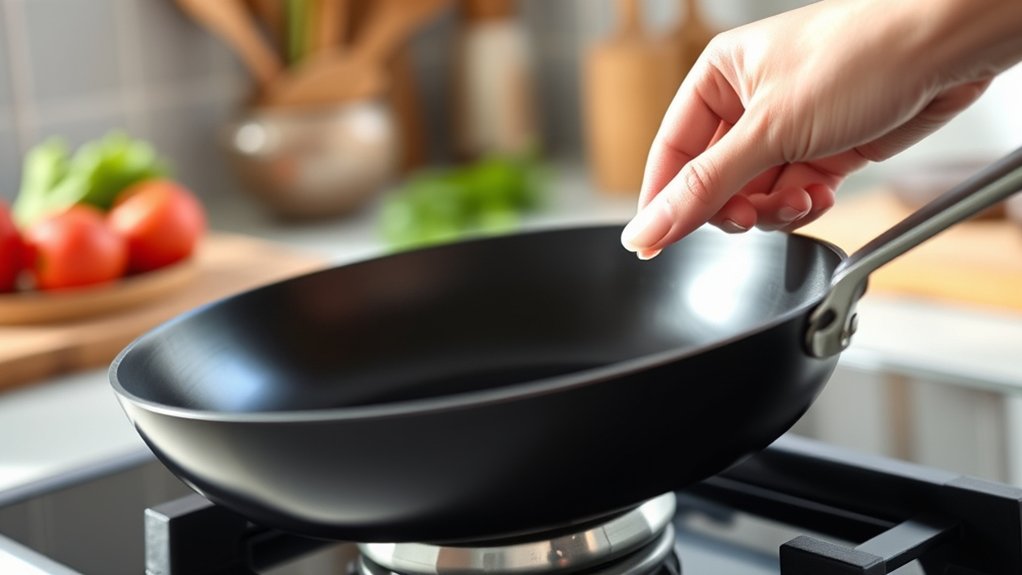
What exactly is PFOA, and why might it matter to you when choosing cookware? PFOA, or perfluorooctanoic acid, is a synthetic chemical used to make non-stick coatings, like Teflon, stick to cookware surfaces. You’ll find it in many pots and pans because it helps create that slick, easy-to-clean finish you rely on.
Manufacturers have favored PFOA because it resists heat and chemical breakdown, ensuring your pans last longer and perform better. However, PFOA itself isn’t part of the finished cookware; instead, it’s used during the manufacturing process to bond the non-stick layer to the metal. Knowing this helps you understand why some cookware might contain it and why you might want to seek alternatives that avoid PFOA altogether when shopping for new kitchen gear.
How PFOA Exposure Can Affect Your Health
How can PFOA exposure impact your health? When you use cookware containing PFOA, especially at high temperatures, small amounts can leach into your food. Over time, this exposure may increase your risk of health issues.
Scientists link PFOA to various concerns, including hormonal disruption and immune system effects. Knowing the risks helps you make safer choices in your kitchen.
| Health Effect | Possible Symptoms | Exposure Source |
|---|---|---|
| Hormonal disruption | Fatigue, mood changes | Cookware, contaminated water |
| Immune system issues | Frequent infections | Food, air |
| Increased cholesterol | Heart problems | Food, cookware |
| Kidney/liver damage | Pain, fatigue | Prolonged exposure |
| Cancer risk | Varies | Long-term exposure |
Avoiding PFOA limits these risks.
Why Brands Are Phasing Out PFOA in Cookware
Because consumers are becoming more aware of the health risks linked to PFOA, cookware brands are actively removing it from their products. You’ll notice this shift as companies aim to provide safer, non-toxic options that protect your health and the environment. Brands want to maintain trust and meet growing demand for transparency and sustainability.
Here’s why they’re phasing out PFOA:
- To reduce harmful chemical exposure for you and your family
- To comply with stricter government regulations worldwide
- To improve product safety and avoid legal liabilities
- To appeal to eco-conscious buyers seeking greener alternatives
- To innovate with safer, advanced non-stick technologies
Cookware Types That Commonly Contain PFOA
You’ll often find PFOA in nonstick cookware coatings, which help food slide right off. Some microwave-safe cookware materials also contain PFOA to enhance durability.
Plus, industrial-grade aluminum pans may have traces of this chemical, so it’s smart to check before you buy.
Nonstick Cookware Coatings
Where can PFOA commonly be found in your kitchen? One of the main places is in nonstick cookware coatings. These coatings often use chemicals treated with PFOA during manufacturing, which can sometimes linger in the final product.
If you want to avoid exposure, it helps to recognize the types of cookware that might contain PFOA-based coatings. Look out for:
- Traditional Teflon pans
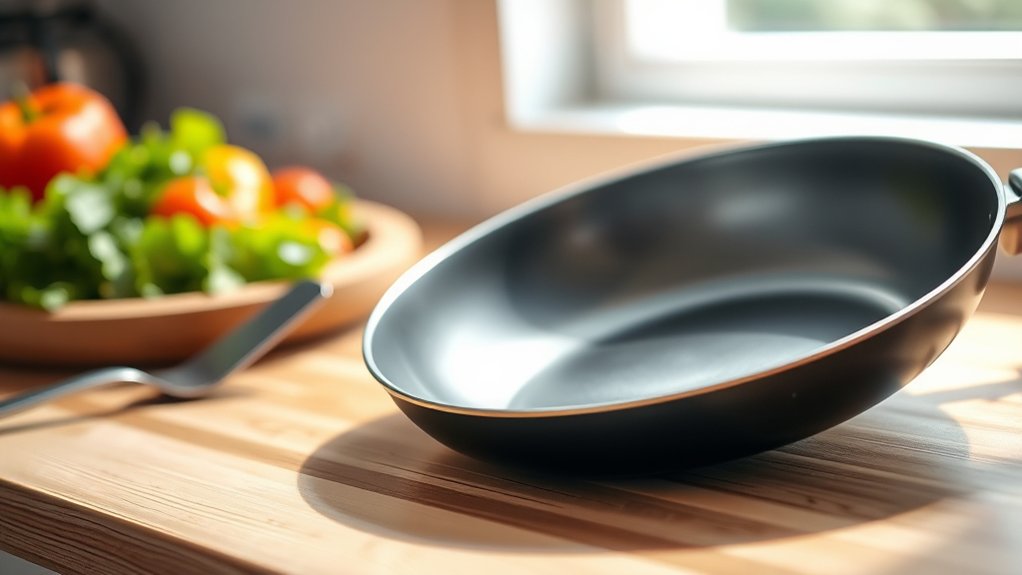
- Nonstick frying pans
- Nonstick bakeware
- Ceramic-coated pans labeled as “nonstick”
- Some nonstick grill plates and griddles
Being aware of these items helps you make safer choices. Opt for alternatives without PFOA or check for cookware labeled PFOA-free to reduce your risk.
Microwave-Safe Cookware Materials
Which microwave-safe cookware materials might contain PFOA? Most often, it’s nonstick microwave-safe cookware coated with polytetrafluoroethylene (PTFE), like Teflon. This coating can be treated with PFOA during manufacturing to help it adhere and provide durability.
When you heat these pans, especially above 500°F, PFOA can release harmful fumes. Although microwave cooking usually stays below this temperature, repeated use or scratched coatings might increase risk. Ceramic-coated cookware marketed as microwave-safe typically doesn’t contain PFOA, but always check labels.
Glass, silicone, and stainless steel cookware are safe microwave options without PFOA concerns. To avoid PFOA exposure, pick microwave-safe cookware without nonstick coatings or with verified PFOA-free labels, and replace any damaged nonstick cookware promptly.
Industrial-Grade Aluminum Pans
How can industrial-grade aluminum pans impact your exposure to PFOA? These pans often feature non-stick coatings that contain PFOA, which can leach into your food when heated. If you use them frequently, your risk of ingesting this chemical increases.
To protect yourself, it’s important to recognize the signs and alternatives.
Here’s what you should know about industrial-grade aluminum pans:
- They commonly have PFOA-based non-stick surfaces.
- High cooking temperatures can release PFOA fumes.
- Scratches and wear increase PFOA exposure risk.
- They’re popular in commercial kitchens for durability.
- Safer coatings or untreated aluminum pans are better choices.
Choosing PFOA-free cookware helps you avoid unnecessary chemical exposure while cooking.
Which Labels and Certifications Guarantee PFOA-Free Cookware?
You’ll want to look for trusted certification logos that confirm your cookware is PFOA-free. Common labels like “PFOA-free” or certifications from reputable organizations help guarantee safety.
Knowing which marks to trust makes it easier to choose healthier options.
Trusted Certification Logos
Although it can be challenging to navigate the cookware market, spotting trusted certification logos can help you quickly identify PFOA-free products. These logos indicate that the cookware has undergone rigorous testing and meets strict safety standards. When shopping, look for certifications from reputable organizations that prioritize consumer health and environmental safety.
Here are some trusted certification logos to watch for:
- FDA (Food and Drug Administration) – Ensures cookware materials are safe for food contact.
- NSF International – Certifies products free from harmful chemicals like PFOA.
- Greenguard Gold – Focuses on low chemical emissions, including PFOA.
- EPA Safer Choice – Highlights products made with safer chemical ingredients.
- OEKO-TEX Standard 100 – Tests for harmful substances in textiles and coatings.
Recognizing these logos simplifies your search for PFOA-free cookware.
Common PFOA-Free Labels
Which labels can you trust to guarantee PFOA-free cookware? Look for certifications from reputable organizations like the FDA or EPA, which assure compliance with safety standards. Many brands proudly display “PFOA-free” directly on their packaging, but it’s wise to verify these claims through third-party certifications.
The GreenGuard certification is another reliable indicator, focusing on low chemical emissions, including PFOA. Additionally, the Made Safe® label guarantees products are free from harmful chemicals like PFOA. When shopping, check for these labels along with clear manufacturer statements about PFOA absence.
How to Identify PFOA-Free Cookware
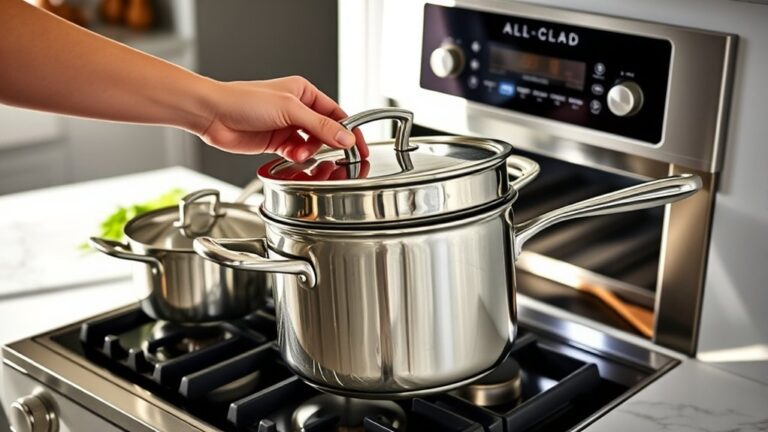
How can you be sure your cookware doesn’t contain PFOA? First, look for clear labeling—most brands proudly state “PFOA-free” on the packaging or product itself. Check the material too; ceramic, stainless steel, and cast iron typically don’t use PFOA in their coatings.
Research the manufacturer’s website for detailed product info or certifications. Avoid cookware with traditional non-stick coatings known to use PFOA. Finally, when shopping online, read customer reviews to see if anyone mentions chemical concerns or confirms PFOA absence.
Here’s a quick checklist to help identify PFOA-free cookware:
- Clear “PFOA-free” label or certification
- Use of ceramic, stainless steel, or cast iron materials
- Manufacturer transparency and product details
- Absence of traditional non-stick coatings
- Positive customer feedback regarding safety
Choosing Safe PFOA-Free Non-Stick Cookware Alternatives
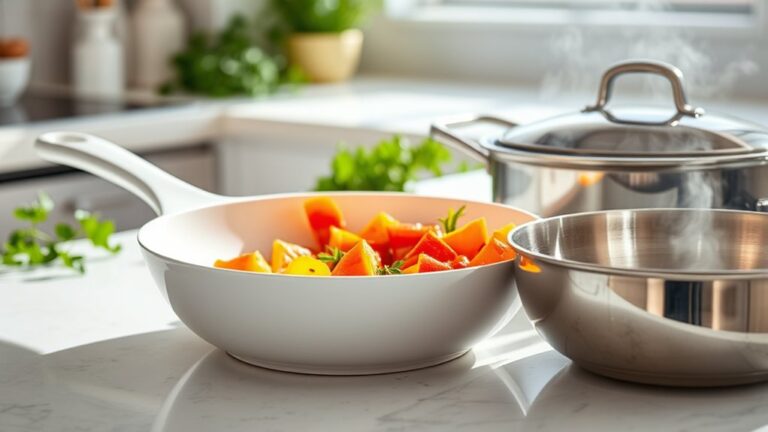
When selecting PFOA-free non-stick cookware, you’ll want to focus on materials and coatings that deliver both safety and performance. Look for ceramic-coated pans, which offer a naturally non-stick surface without harmful chemicals. Hard-anodized aluminum is another great option, providing durability and even heat distribution.
Stainless steel pans are safe and versatile, though they’re not non-stick, so you might need a little oil. Avoid cookware labeled as “PFOA-free” but made with questionable coatings—always check for certifications or reputable brands. You can also explore newer non-stick technologies that use safer alternatives like silicone-based or titanium-infused coatings.
Tips to Care for PFOA-Free Cookware
Although PFOA-free cookware is designed to be safer, you still need to handle it with care to maintain its performance and longevity. Proper maintenance helps prevent scratches, warping, and loss of non-stick properties.
Follow these tips to keep your PFOA-free cookware in top shape:
- Use wooden, silicone, or plastic utensils to avoid scratching the surface.
- Clean with a soft sponge and mild detergent; avoid abrasive scrubbers.
- Avoid overheating; cook on low to medium heat to protect the coating.
- Hand wash your cookware instead of using a dishwasher to preserve the finish.
- Store cookware carefully, stacking with protective layers like cloth or paper towels.
What to Do If Your Cookware Contains PFOA
If you suspect your cookware contains PFOA, start by checking the labels or manufacturer’s information to confirm. When it’s time to replace it, dispose of the old pieces safely according to local guidelines to avoid environmental harm.
Then, switch to PFOA-free alternatives to keep your kitchen safer and healthier.
Identifying PFOA Presence
Since PFOA isn’t always clearly labeled on cookware, you’ll need to check product information carefully to identify its presence. Start by reading labels and manufacturer details, focusing on terms like “PTFE” or “non-stick,” which might involve PFOA.
You can also look for older cookware made before 2015, as many used PFOA then. Avoid items labeled simply as “non-stick” without more info. Research brand reputations and product reviews for PFOA mentions.
Contact manufacturers directly to inquire about PFOA use. Use online databases or resources listing PFOA-free products.
Safe Disposal Methods
When you discover your cookware contains PFOA, taking proper steps to dispose of it safely helps protect both your health and the environment. Don’t just toss it in the trash; PFOA can leach into soil and water.
Instead, follow local hazardous waste guidelines. Many communities offer special collection programs for items containing harmful chemicals.
| Step | Action |
|---|---|
| 1. Check local rules | Visit your municipality’s website for disposal info |
| 2. Use designated drop-off points | Bring cookware to hazardous waste centers |
| 3. Avoid burning | Burning releases toxic fumes, so never incinerate |
| 4. Inform others | Share disposal tips with friends and family |
Choosing PFOA-Free Alternatives
Although discovering your cookware contains PFOA can feel overwhelming, you can easily switch to safer, PFOA-free options to protect your health. Start by choosing alternatives that don’t release harmful chemicals during cooking. Look for these options:
- Stainless steel cookware, which is durable and non-toxic
- Cast iron pans, offering natural non-stick properties when seasoned
- Ceramic-coated pots and pans, free from PFOA and PTFE
- Glass cookware, perfect for baking and heating without chemicals
- Anodized aluminum, which is treated to prevent PFOA exposure
When shopping, check labels or product descriptions for “PFOA-free” claims. If your current cookware contains PFOA, consider replacing it gradually and avoid overheating it to reduce risk. This way, you’ll cook safely and confidently every time.
Replacing PFOA Cookware Affordably and Safely
If you want to replace your PFOA cookware without breaking the bank, you can find safe and affordable alternatives that suit your needs. Start by evaluating your current cookware to identify essentials, so you don’t buy more than necessary. Focus on materials like stainless steel, cast iron, or ceramic, which are durable and PFOA-free.
Look for sales, discounts, or secondhand options in good condition to save money. When trying new cookware, test it carefully to avoid damage and guarantee safety. Avoid non-stick coatings that may contain harmful chemicals.
Where to Buy Trusted PFOA-Free Cookware
Where can you find reliable PFOA-free cookware that fits your budget and quality standards? Start by exploring reputable sources that prioritize health and safety in their products. Trusted retailers often provide clear labeling and detailed product descriptions, helping you make informed choices.
Consider these options:
- Specialty kitchen stores with knowledgeable staff
- Well-known online marketplaces like Amazon or Wayfair
- Brand websites of PFOA-free cookware manufacturers
- Eco-friendly and health-focused retailers
- Local stores offering organic or non-toxic kitchenware
Make certain to read reviews and verify certifications to avoid misleading claims. Shopping from these sources ensures you get cookware free from harmful chemicals, giving you peace of mind while cooking.
Benefits of Using PFOA-Free Cookware for Your Health and Kitchen Safety
Choosing PFOA-free cookware from trusted sources not only helps you avoid harmful chemicals but also brings significant benefits to your health and kitchen safety. When you use PFOA-free options, you reduce the risk of exposure to toxic substances that can leach into your food, protecting your body from potential health issues like hormone disruption or cancer.
Additionally, PFOA-free cookware often features durable, non-toxic coatings that resist scratching and peeling, keeping your kitchen safer by preventing ingestion of harmful flakes. These options typically heat evenly and maintain their non-stick properties longer, making cooking easier and reducing the need for excess oils or fats.
Frequently Asked Questions
How Is PFOA Manufactured and What Industries Use It Besides Cookware?
You should know PFOA is made through chemical processes involving fluorinated compounds.
Besides cookware, industries like textiles, firefighting foams, and electronics use it for its water and stain-resistant properties, though many avoid it now.
Can PFOA Contaminate Water Supplies Near Manufacturing Plants?
Yes, PFOA can contaminate water supplies near manufacturing plants. If you live nearby, you should test your water and consider using filters designed to remove PFOA to protect your health from this harmful chemical.
Are There Any Regulations on PFOA Emissions From Factories?
You might think regulations are weak, but the EPA strictly limits PFOA emissions under the Toxic Substances Control Act. You should know many factories must monitor and reduce these emissions to protect your community’s health.
How Long Does PFOA Remain in the Environment or Human Body?
PFOA can stay in the environment for years and linger in your body for several years too, since it breaks down very slowly.
You’ll want to limit exposure to reduce accumulation and potential health risks over time.
What Alternatives to PFOA Exist for Industrial Applications Beyond Cookware?
You can choose fluorine-free coatings, silicone-based options, or ceramic materials. You can adopt bio-based surfactants or use advanced polymers. You’ll reduce harm, increase safety, and maintain performance without relying on PFOA in industries.
Conclusion
Now that you know PFOA has been linked to serious health risks, it’s smart to choose cookware without it. Did you know that over 90% of Americans had PFOA in their blood decades ago? Thankfully, many brands are ditching this chemical.
By picking PFOA-free cookware, you’re protecting yourself and your family while cooking safely. Making the switch is easier than you think—and your health will definitely thank you for it! Choosing PFOA-free cookware is a simple step toward safer, healthier kitchen habits.