How Long to Grill Riblets in 10 Essential Steps
To grill riblets perfectly, start by choosing tender cuts like baby back ribs, which are ideal for juicy, flavorful results. Trim any excess fat and season the meat evenly to enhance the taste. Proper preparation is key to delicious riblets on the grill.
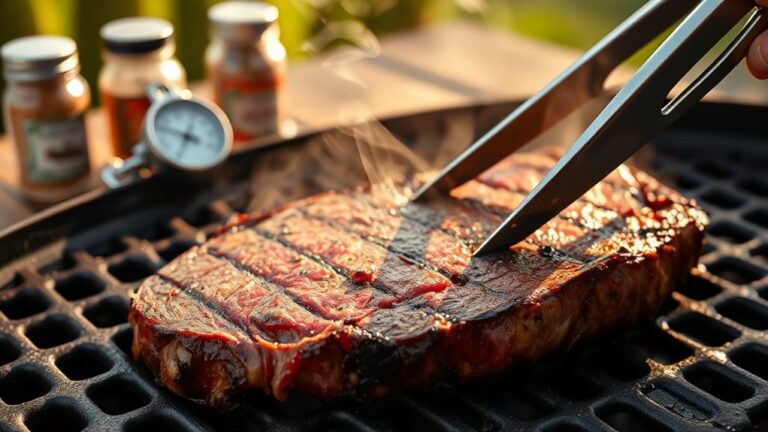
Preheat your grill to medium heat, around 300°F to 350°F. Cook the riblets for 25 to 35 minutes, using indirect heat when needed to avoid flare-ups and uneven cooking.
Flip them carefully every 4 to 5 minutes, making sure not to pierce the meat to retain moisture. Apply sauce during the last 10 to 15 minutes of grilling to prevent burning.
Let the riblets rest briefly before serving to lock in the juices. Follow these steps to master grilling riblets every time.
Key Takeaways
- Grill riblets over medium heat (300°F–350°F) using indirect heat to prevent burning and flare-ups.
- Cook riblets for 25 to 35 minutes, flipping once or twice when edges brown and meat releases easily.
- Use a thermometer to check for an internal temperature of 145°F (63°C) for safe, juicy results.
- Apply barbecue sauce in the last 10-15 minutes of grilling to avoid burning and achieve caramelization.
- Rest riblets for 5 to 10 minutes after grilling, covered loosely with foil, to preserve juices and tenderness.
Choosing the Best Riblet Cuts for Grilling

When selecting riblets for grilling, you’ll want cuts that balance tenderness and flavor. Look for riblets trimmed from spare ribs or baby back ribs, as they offer a great mix of meatiness and fat that keeps them juicy on the grill. Choose pieces with a good amount of marbling—this fat renders during cooking, enhancing flavor and moisture.
Avoid overly lean or thick bone sections, which can result in dry or tough riblets. Also, pick riblets with a consistent thickness to ensure even cooking. Freshness matters too; fresher riblets will grill up more tender and flavorful.
How to Prep Riblets for Even Cooking
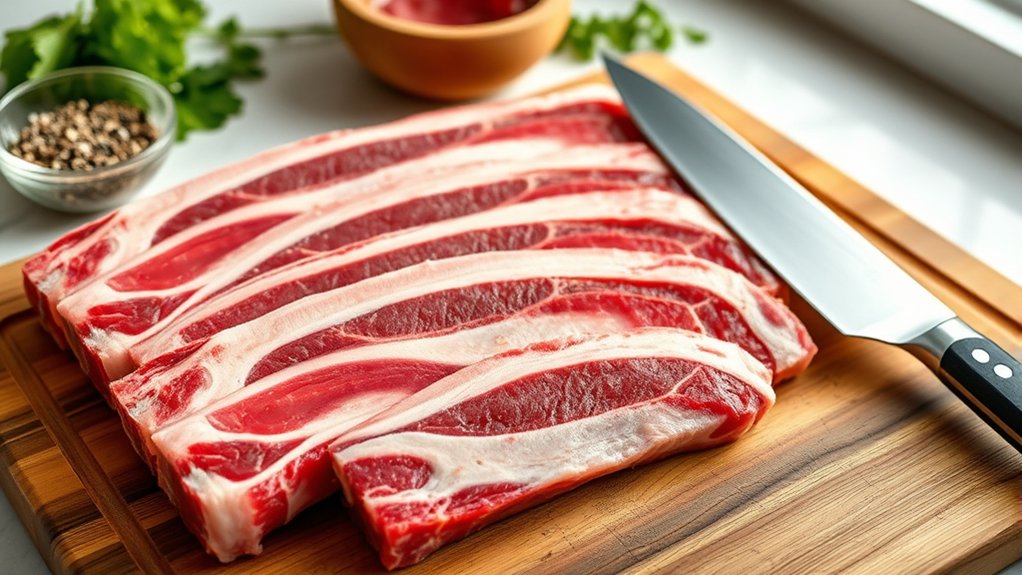
Although riblets are smaller than traditional ribs, prepping them properly guarantees they cook evenly and stay juicy. Start by trimming any excess fat or silver skin from the riblets; this helps prevent flare-ups and promotes even heat distribution.
Trimming excess fat and silver skin ensures riblets cook evenly and stay juicy without flare-ups.
Next, pat the riblets dry with paper towels to make sure the seasoning sticks well. Apply a thin layer of oil to keep them moist during grilling. Then, season your riblets generously with your favorite rub or marinade, making sure to coat all sides evenly.
Let them rest at room temperature for about 20 minutes before grilling—this step helps the meat cook uniformly. Finally, arrange the riblets in a single layer, avoiding overcrowding, so every piece gets consistent heat.
Prepping this way sets you up for perfectly cooked riblets.
What’s the Ideal Grill Temperature for Riblets?
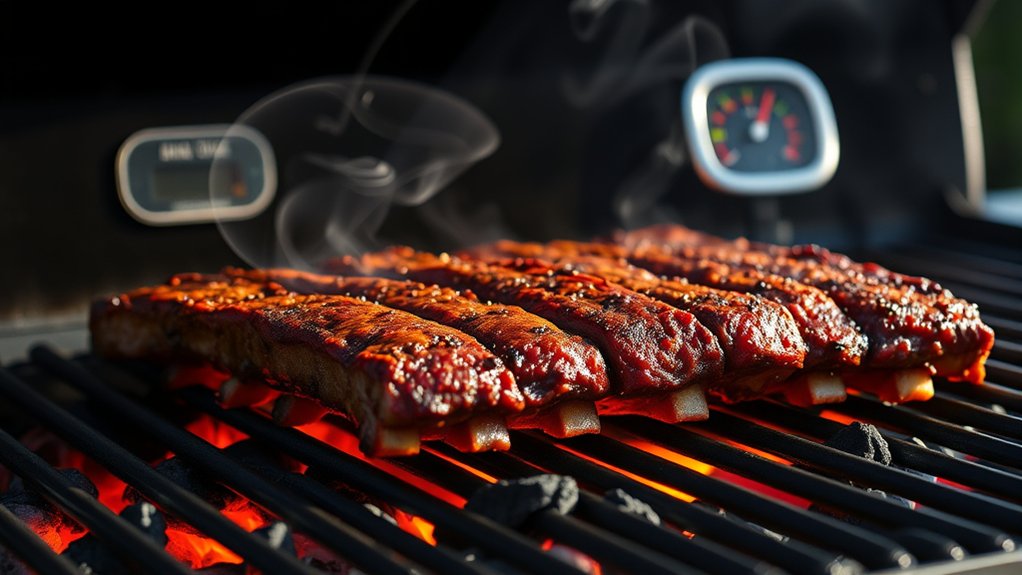
Since riblets are smaller and more delicate than full ribs, maintaining the ideal grill temperature is essential to avoid drying them out or undercooking. Aim for a medium heat, around 300°F to 350°F (149°C to 177°C). This temperature range allows the riblets to cook evenly, giving you a tender inside and a nicely caramelized exterior without burning the sauce or meat.
If your grill runs hotter, use indirect heat to prevent flare-ups and charring. Keep a close eye on the temperature with a reliable grill thermometer, adjusting vents or burners as needed. Sticking to this moderate temperature helps you control the cooking process, ensuring your riblets come out juicy and flavorful every time.
How Long to Grill Riblets for Juicy Results
To achieve juicy riblets, you’ll want to grill them for about 25 to 35 minutes, turning occasionally to guarantee even cooking. This timeframe allows the riblets to develop a tender interior while maintaining a flavorful, slightly charred exterior. Keep an eye on the riblets as they cook to prevent drying out.
If your grill temperature is steady around medium heat, this duration works perfectly to break down the connective tissue without overcooking. Use a meat thermometer to check for an internal temperature of 145°F (63°C) to ensure they’re safe and juicy. Remember, cooking times can vary slightly depending on riblet size and grill consistency, so adjust accordingly to keep your riblets moist and delicious every time.
When and How to Flip Riblets on the Grill
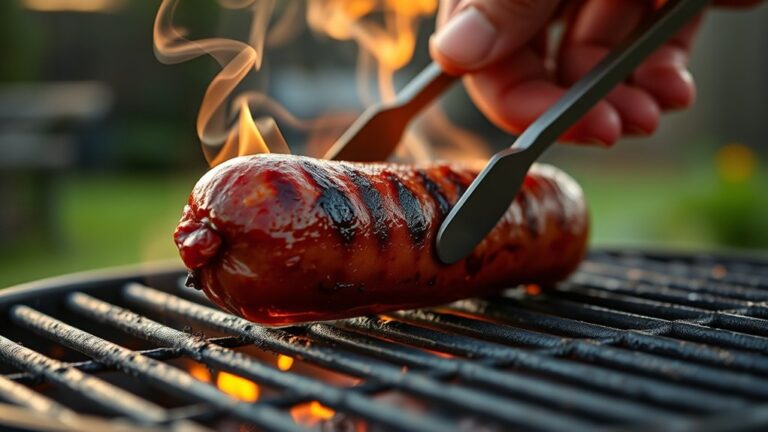
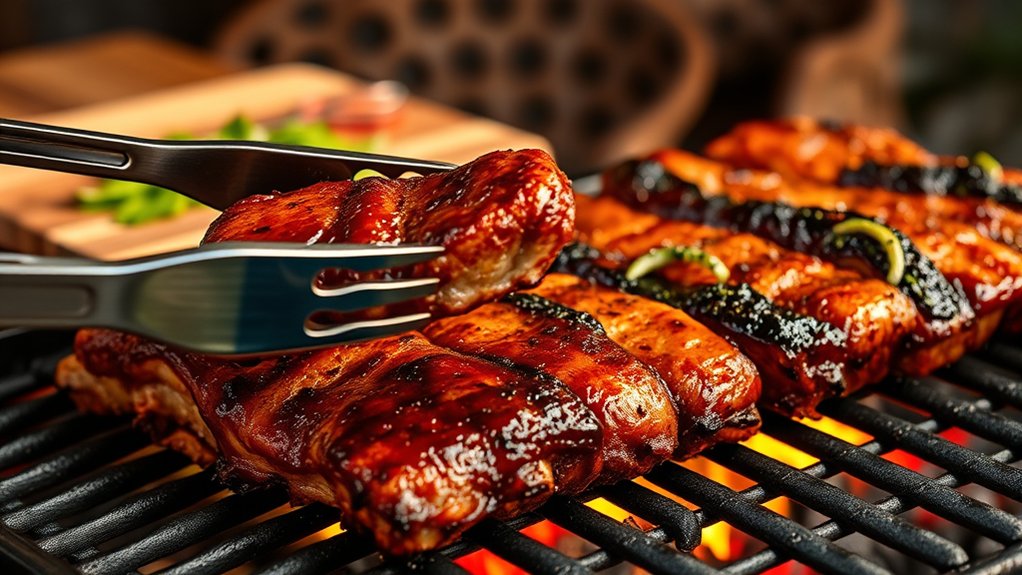
You’ll want to flip your riblets at just the right time to lock in juices and get that perfect char. Use tongs to gently turn them, avoiding piercing the meat and losing moisture.
Mastering this technique guarantees even cooking and delicious results every time.
Optimal Flipping Timing
When should you flip your riblets to achieve that perfect balance of caramelization and tenderness? You want to wait until the edges start to brown and the surface develops a slight crust before flipping. This usually takes about 4-5 minutes per side on medium heat.
Flipping too early can tear the meat and prevent proper searing, while flipping too late risks burning. Pay attention to the grill marks and the meat’s firmness; when the riblets release easily from the grill grates, it’s time to turn them. Stick to flipping once or twice during cooking to maintain juiciness and even cooking.
Timing your flips right ensures your riblets cook evenly, locking in flavor and texture without drying out or charring.
Proper Flipping Technique
Although it might seem simple, flipping riblets properly makes a big difference in how they cook and taste. You want to flip them gently and at the right time to avoid tearing the meat or losing valuable juices. Use tongs instead of a fork to keep the riblets intact.
Flip them once the bottom side has developed a nice sear but hasn’t started to burn. This usually takes about 4-5 minutes per side over medium heat.
Keep these tips in mind:
- Flip riblets only once or twice to maintain juiciness.
- Use slow, deliberate motions when turning them.
- Avoid pressing down on the riblets to keep them tender.
Mastering this technique guarantees perfectly grilled riblets every time.
How to Use a Thermometer to Check Riblet Doneness
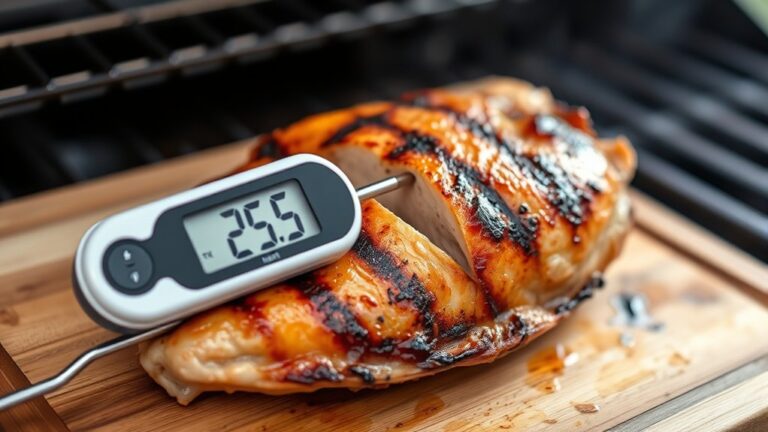
Since grilling times can vary, using a thermometer guarantees your riblets reach the perfect doneness without overcooking. Insert a meat thermometer into the thickest part of the riblet, avoiding bones to get an accurate reading. You’re aiming for an internal temperature of about 145°F (63°C) for tender, juicy riblets.
Once the thermometer hits this mark, your riblets are safe to eat and perfectly cooked. Be careful not to leave the thermometer in too long, or you risk losing valuable juices. Checking the temperature regularly helps you avoid guesswork and assures consistent results every time you grill.
Using a thermometer takes the stress out of grilling and helps you serve riblets that are juicy and flavorful.
How to Apply Rubs and Sauces on Riblets Without Burning
You want to pick a rub that complements your riblets without overpowering them. Apply sauces toward the end of grilling to avoid burning and bitter flavors. Timing is key to keeping your riblets tender and tasty.
Choosing The Right Rub
Picking the right rub can make or break your riblets’ flavor. You want a rub that enhances the meat without overpowering it or burning during grilling.
Look for blends with balanced spices and some sugar, but avoid ones too high in sugar to prevent charring. Here’s what to contemplate:
- Flavor profile: Choose rubs with complementary spices like paprika, garlic powder, and black pepper.
- Sugar content: Moderate sugar adds caramelization but too much burns easily.
- Coarseness: A coarser rub sticks better and creates a nice crust.
Apply your rub evenly, pressing it gently into the meat. This helps the flavors penetrate without falling off.
Timing Sauce Application
Although applying sauce too early can cause burning, timing it right guarantees your riblets develop a rich, sticky glaze without charring. Start by cooking your riblets over indirect heat with just the rub, allowing the meat to tenderize and the rub to set. Only apply your barbecue sauce during the last 10 to 15 minutes of grilling.
This brief window lets the sugars in the sauce caramelize and thicken without catching fire. Use a brush to coat the riblets evenly, flipping and saucing multiple times to build layers of flavor. Keep the grill temperature moderate to avoid flare-ups.
Preventing Burnt Flavors
Since sugars in rubs and sauces can burn quickly over high heat, controlling when and how you apply them is key to preventing bitter, burnt flavors on your riblets. Start by applying dry rubs before grilling, giving the spices time to penetrate without the risk of burning sugar. Hold off on saucing until the final 10-15 minutes of cooking to allow flavors to set and caramelize gently.
Use indirect heat when applying sauces, reducing the chance of charring.
To avoid burnt flavors:
- Apply sugar-based sauces late in the grilling process
- Grill over indirect heat after saucing
- Thin out thick sauces to prevent clumping and burning
These steps help you enjoy perfectly flavored, smoky riblets without the harsh taste of burnt sugars.
How to Get Crispy Riblets Without Drying Them Out
When you want crispy riblets without drying them out, controlling the heat and timing is key. Start by grilling over medium heat to slowly render the fat and cook the meat through without drying it. Once they’re nearly cooked, increase the heat briefly to achieve that crispy exterior.
Don’t leave them on high heat too long; it can quickly dry out the riblets. Using a glaze or sauce with a bit of sugar helps caramelize the surface, adding crispiness while locking in moisture. Keep a close eye during this stage and turn often to avoid burning.
How to Rest Riblets Before Serving
To lock in the juices and enhance flavor, let your riblets rest for about 5 to 10 minutes after grilling. This brief pause allows the meat fibers to reabsorb the juices, making each bite tender and juicy. Don’t skip this step—you’ll notice the difference in taste and texture immediately.
While resting, keep your riblets loosely covered with foil to retain warmth without causing sogginess. Use this time to prepare your serving area for a smooth transition from grill to table.
Here’s how to get the most out of resting your riblets:
- Cover loosely with foil to keep heat but avoid steaming.
- Place on a warm plate or cutting board.
- Avoid cutting into the riblets right away to preserve juices.
Resting is key to perfect grilled riblets every time!
Quick Serving Ideas to Complement Grilled Riblets
You’ll want to pair your grilled riblets with fresh side salads that brighten the meal and quick grilled veggies for added flavor and texture. Whip up simple dipping sauces to enhance every bite without extra hassle.
These easy additions make your riblet feast complete and satisfying.
Fresh Side Salad Options
Although grilled riblets steal the spotlight, pairing them with fresh side salads brings a bright, crisp contrast that enhances every bite. You want salads that are quick to prepare but full of flavor to balance the smoky richness of your riblets.
Opt for vibrant ingredients that add texture and invigorating qualities without overshadowing the main dish. Here are three simple salad ideas to serve alongside your grilled riblets:
- Classic Garden Salad: Mix crisp lettuce, cherry tomatoes, cucumbers, and red onions with a light vinaigrette for a revitalizing bite.
- Coleslaw: Combine shredded cabbage and carrots with a tangy dressing to add crunch and creaminess.
- Watermelon and Feta Salad: Toss juicy watermelon cubes with crumbled feta, mint, and a drizzle of balsamic glaze for a sweet-savory twist.
These salads complement grilled riblets perfectly and keep your meal balanced.
Quick Grilled Vegetable Ideas
How can you add a quick, flavorful touch to your grilled riblets? Grilled vegetables are your go-to side. Slice zucchini, bell peppers, and asparagus for fast grilling.
Toss them in olive oil, salt, and pepper, then place them directly on the grill. They only need about 5-7 minutes, turning once for those perfect char marks. Cherry tomatoes on skewers work well too—they blister quickly and bring a juicy burst.
If you’re short on time, foil packets with mixed veggies and a splash of balsamic vinegar speed things up while locking in flavor. These quick grilled veggies complement riblets with freshness and a hint of smokiness, rounding out your meal effortlessly. You’ll have a vibrant, tasty plate ready in no time.
Simple Dipping Sauce Recipes
When grilling riblets, pairing them with simple dipping sauces can elevate their flavor without overwhelming the meat. You want sauces that complement the smoky, tender riblets and add a touch of zest or creaminess.
Here are three quick and easy dipping sauces you can whip up in minutes:
- Honey Mustard Dip: Mix equal parts honey and Dijon mustard with a splash of lemon juice for a sweet and tangy twist.
- Spicy BBQ Sauce: Combine your favorite BBQ sauce with a dash of hot sauce or cayenne pepper to add some heat.
- Garlic Yogurt Sauce: Stir plain yogurt with minced garlic, chopped fresh herbs, and a pinch of salt for a cool, revitalizing contrast.
These sauces will boost your riblet experience without stealing the spotlight.
Frequently Asked Questions
Can I Grill Riblets Indoors Using a Grill Pan?
Yes, you can grill riblets indoors using a grill pan. Just heat the pan well, oil it lightly, and cook the riblets evenly, turning often.
It’ll give you a nice char and delicious flavor indoors.
What Type of Wood Chips Add the Best Smoky Flavor?
You’ll get the best smoky flavor using hickory or applewood chips. Hickory gives a strong, bacon-like smoke, while applewood adds a mild, sweet aroma.
Soak them first, then toss on hot coals or in a smoker box.
How Should I Store Leftover Grilled Riblets?
You should wrap leftover grilled riblets tightly in foil or place them in an airtight container. Store them in the fridge and eat within 3-4 days.
For longer storage, freeze them to keep the flavor fresh.
Are Riblets Suitable for Gas Grills or Only Charcoal?
You can definitely grill riblets on both gas and charcoal grills. Gas grills give you consistent heat and easy control, while charcoal adds smoky flavor.
Choose whichever suits your taste and convenience best for delicious riblets every time.
Can I Marinate Riblets Overnight Before Grilling?
Yes, you can marinate riblets overnight to boost flavor and tenderness. Just make sure to keep them refrigerated while marinating.
This lets the spices soak in deeply, making your grilled riblets even more delicious and juicy.
Conclusion
Now that you know how long to grill riblets and master each essential step, are you ready to impress your guests with tender, juicy, and flavorful ribs?
By choosing the right cuts, prepping properly, controlling the grill temperature, and timing your flips and sauces just right, you’ll achieve riblets that are crispy on the outside and succulent inside.
So fire up the grill and get ready for a delicious, crowd-pleasing feast! With the proper grilling time and technique, your riblets will be the star of any barbecue or gathering.