How Hot Does a BBQ Grill Get: A Complete Guide
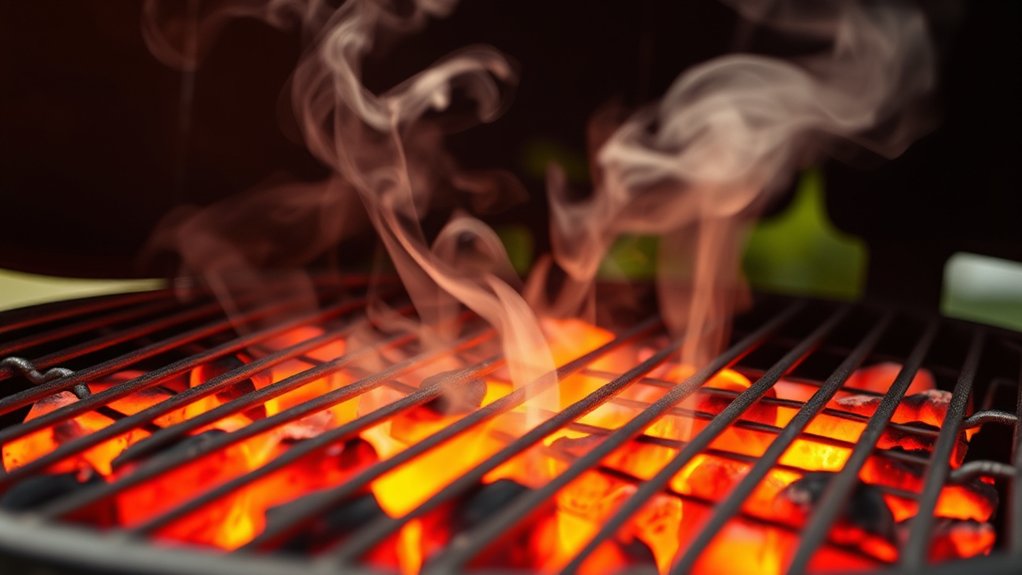
Your BBQ grill’s temperature depends on its type, which is crucial for achieving the perfect cook. Charcoal grills can hit between 225°F and 700°F, providing a wide range for both slow cooking and high-heat searing.
Gas grills usually stay between 350°F and 600°F, offering consistent and easily adjustable heat.
Electric grills max out around 450°F to 500°F, making them ideal for moderate grilling temperatures.
Knowing these temperature ranges helps you control heat zones effectively for flawless results. Using a reliable thermometer and adjusting vents or burners keeps your grill steady and precise.
Keep practicing, and you’ll discover how to master these temps for perfect grilling every time. Understanding your grill’s heat capacity ensures delicious meals with every BBQ session.
Key Takeaways
- Charcoal grills reach 225°F to 700°F, enabling both low and slow cooking and high-heat searing.
- Gas grills typically heat between 350°F and 600°F, with some models exceeding 700°F for intense searing.
- Pellet grills operate around 225°F to 375°F, while electric grills max out near 450°F to 500°F.
- Setting up heat zones and using a reliable thermometer ensures precise temperature control and optimal cooking.
- Different foods require specific grill temperatures, such as 225°F-275°F for ribs and 450°F-500°F for steaks.
How Hot Does a BBQ Grill Get on Average?
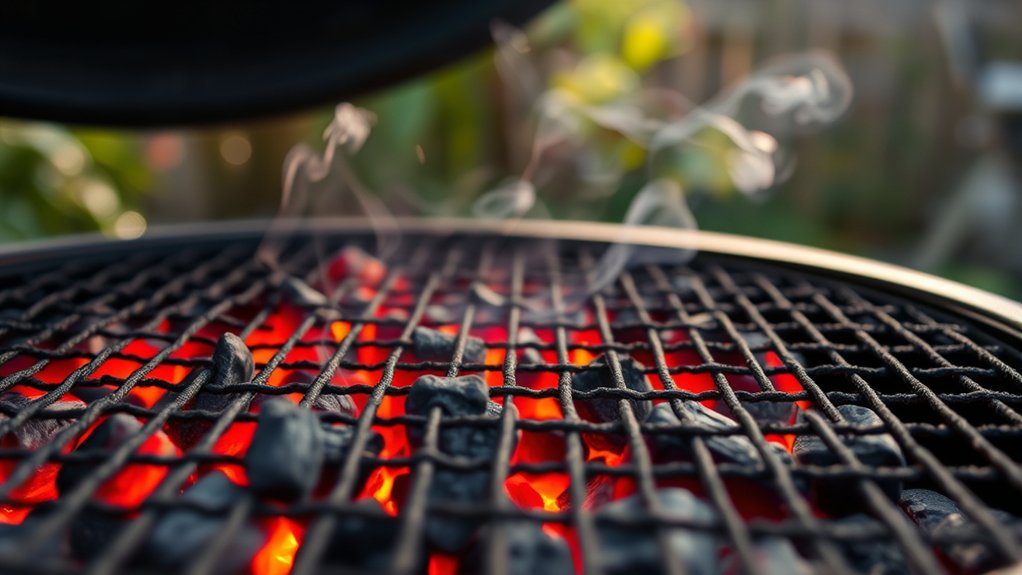
Although temperatures vary depending on the type of grill and fuel used, a typical BBQ grill reaches an average temperature between 350°F and 450°F. When you fire up a charcoal grill, expect it to hit around 400°F to 500°F once fully heated. Gas grills usually stabilize between 350°F and 450°F, offering consistent heat.
If you’re using a pellet grill, it generally runs a bit lower, around 225°F to 375°F, but some models can reach higher temps. Keep in mind that factors like grill size, ventilation, and outside weather also influence the heat. Knowing these average ranges helps you gauge how hot your grill should be during cooking, setting you up for better grilling results without guesswork.
Why Knowing Your Grill’s Heat Level Matters for Cooking
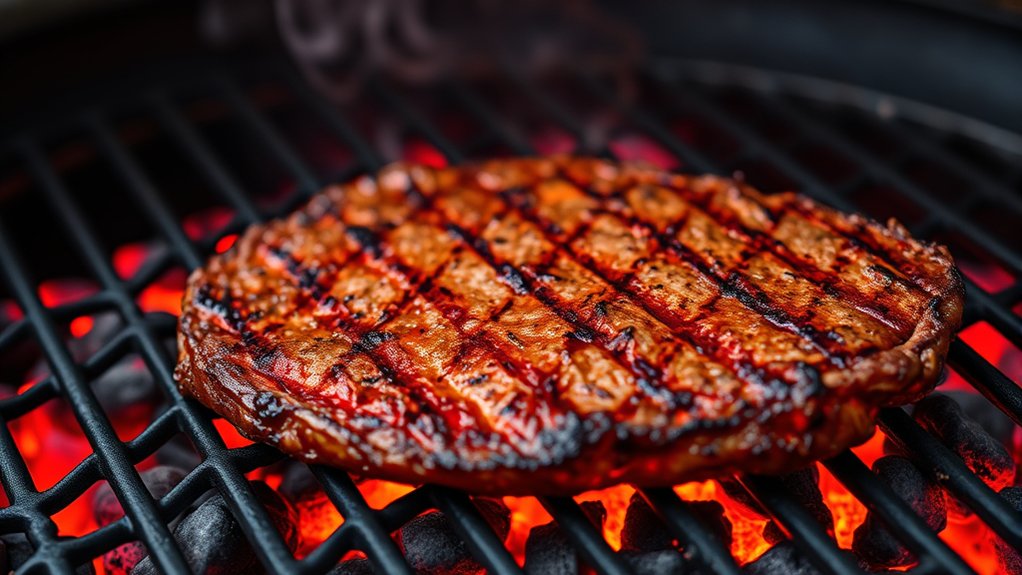
Understanding the heat levels your grill reaches helps you control the cooking process more effectively. When you know how hot your grill gets, you can adjust cooking times and placement to avoid undercooked or burnt food. This knowledge lets you sear meats perfectly, lock in juices, and create those coveted grill marks without overcooking.
It also helps you decide when to use direct or indirect heat, ensuring even cooking for various foods. By mastering your grill’s heat, you’ll save time, reduce guesswork, and improve your results. Ultimately, knowing your grill’s temperature helps you cook confidently, impress guests, and enjoy tastier meals every time you fire it up.
It’s a simple step that makes a big difference in your grilling game.
What Are the Temperature Ranges for Different Grill Types?
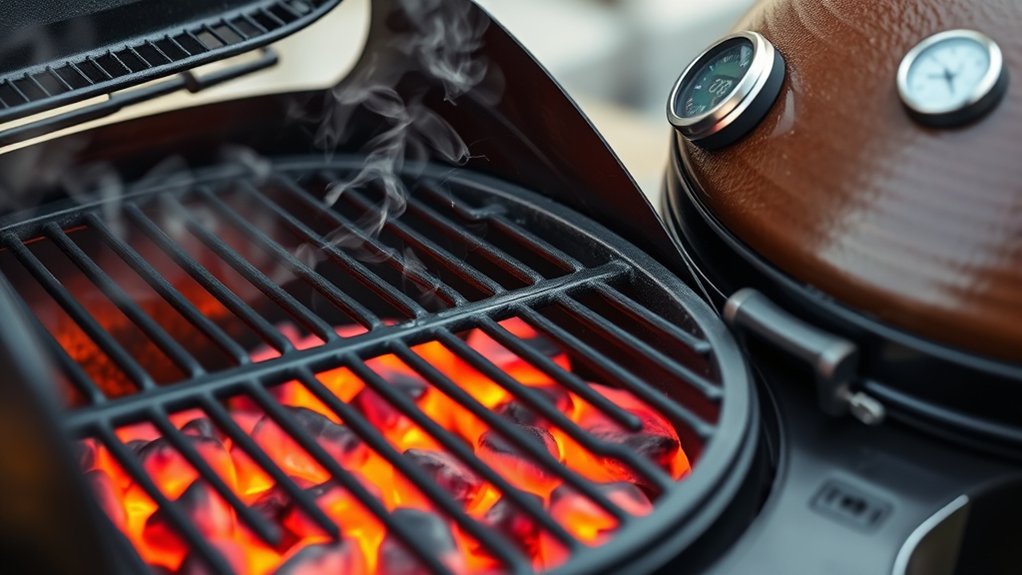
You’ll notice that different grill types reach varying temperature ranges, which can affect how you cook. Charcoal grills can get extremely hot, while gas grills offer steady heat levels, and electric grills tend to have lower maximum temperatures.
Understanding these differences helps you choose the right grill and cook your food perfectly.
Charcoal Grill Temperature Range
When you fire up a charcoal grill, the temperature can vary widely depending on how much charcoal you use and how you arrange it. Generally, charcoal grills reach between 225°F and 700°F. Low and slow cooking, like smoking, typically hovers around 225°F to 275°F.
For searing steaks or burgers, you’ll push the heat higher, between 500°F and 700°F. The key is controlling airflow with the vents—opening them increases oxygen flow and heat, while closing them lowers the temperature. You can also create direct heat zones by piling coals on one side and leaving the other side cooler for indirect cooking.
Mastering these techniques lets you tailor the heat precisely, making charcoal grills incredibly versatile for various grilling styles.
Gas Grill Heat Levels
Although gas grills heat up quickly, the temperature range you can achieve depends on the grill’s design and fuel source. Most home gas grills reach between 350°F and 500°F, making them ideal for everything from slow cooking to searing. Propane grills tend to heat faster and can hit higher temperatures compared to natural gas grills, which usually max out around 450°F.
Some premium models with multiple burners and infrared technology can reach over 600°F, perfect for intense searing. You’ll find that controlling the heat is straightforward with adjustable knobs, letting you dial in low, medium, or high heat zones. Understanding your gas grill’s temperature capabilities helps you cook precisely and get the best flavor from your BBQ.
Electric Grill Heat Limits
Electric grills typically don’t reach the high temperatures that gas grills can, but they offer consistent heat that’s easy to regulate. If you’re wondering about their heat limits, here’s what you can expect from different types:
- Basic electric grills: Usually max out around 400°F (204°C), perfect for low to medium heat cooking.
- High-end electric grills: Can reach up to 500°F (260°C), suitable for searing and grilling thicker cuts.
- Indoor electric grills: Typically stay below 450°F (232°C) for safety and smoke control.
- Portable electric grills: Often limited to 350-400°F (177-204°C), ideal for casual grilling but not high-heat searing.
Knowing these ranges helps you pick the right grill for your cooking style and ensures you don’t push your electric grill beyond its limits.
What Temperature Does a Gas Grill Reach?
If you want to achieve consistent cooking results, understanding how hot a gas grill can get is vital. Most gas grills reach temperatures between 350°F and 600°F, with some models capable of hitting 700°F or more. This range lets you sear steaks, roast vegetables, or slow cook ribs with ease.
Knowing your grill’s maximum heat helps you select the right cooking method and timing.
| Heat Level | Temperature Range (°F) |
|---|---|
| Low | 250 – 300 |
| Medium | 300 – 400 |
| Medium-High | 400 – 500 |
| High | 500 – 600 |
| Searing | 600 – 700+ |
Use this guide to adjust your grill settings and master your BBQ game.
How Hot Do Electric Grills Get Compared to Charcoal and Gas?
You’ll find that electric grills usually reach temperatures between 400°F and 600°F, which is lower than many charcoal and gas grills. This means they often have less intense heat output compared to the other two.
Understanding these differences helps you choose the right grill for your cooking style.
Electric Grill Temperature Range
How hot can your grill really get when it runs on electricity? Electric grills typically heat up to moderate temperatures, making them ideal for controlled cooking without flare-ups. Here’s what you can expect from their temperature range:
- Low heat: Around 200°F (93°C) – perfect for slow cooking or warming.
- Medium heat: Between 300°F to 400°F (149°C to 204°C) – great for grilling vegetables and fish.
- High heat: Up to 450°F (232°C) – suitable for searing meats.
- Maximum heat: Rarely exceeding 500°F (260°C) – electric grills usually don’t reach the extreme temperatures of charcoal or gas grills.
This range offers consistent, even heating but won’t match the intense heat levels charcoal or gas can achieve.
Comparing Heat Output Levels
While electric grills provide steady and manageable heat, charcoal and gas grills often deliver much higher temperatures, giving you greater versatility for different cooking styles. Electric grills usually max out around 450°F to 600°F, which works well for everyday grilling but limits you if you want searing or quick cooking.
Charcoal grills can reach 700°F or more when you manage the coals right, perfect for that intense sear and smoky flavor. Gas grills fall somewhere between, typically hitting 500°F to 700°F, letting you adjust heat zones easily for direct or indirect cooking.
How to Find Hot and Cool Spots on Your Charcoal BBQ Grill
Because charcoal grills don’t heat evenly, identifying hot and cool spots is essential for cooking your food perfectly. You want to know where to place different items for ideal results.
Here’s how you can find those spots:
- Preheat your grill with charcoal evenly spread and let it burn for 15 minutes.
- Hold your hand about 5 inches above the grate, moving it across the surface. Count how many seconds you can comfortably keep it there—shorter time means hotter spot.
- Use an infrared thermometer to scan the grill surface for quick, precise temperature readings.
- Place some bread slices on different areas; the spots where bread toasts fastest are your hottest zones.
This simple routine helps you master your grill’s heat map.
How to Create Direct and Indirect Heat Zones on Your Grill
When you want to cook different foods at varying temperatures, setting up direct and indirect heat zones on your grill is key. For a charcoal grill, push the coals to one side for direct heat and leave the other side clear for indirect heat. On a gas grill, simply turn on burners on one side only, leaving the other side off.
Place foods needing high heat, like steaks or burgers, over the direct heat zone for searing. Use the indirect zone for slower cooking or delicate items like chicken breasts or vegetables. This setup gives you better control, letting you sear and then finish cooking without burning.
Mastering these zones improves your grilling flexibility and results every time.
How to Measure Your BBQ Grill’s Temperature Accurately
You’ll want to pick the right thermometer to get an accurate read of your grill’s heat. Where you place it matters too—different spots on the grill can show very different temperatures.
Understanding these temperature zones helps you cook your food just right every time.
Choosing The Right Thermometer
Selecting the right thermometer plays a vital role in measuring your BBQ grill’s temperature accurately. You want a tool that’s reliable, easy to use, and suited to your cooking style. Here’s what to consider:
- Type – Choose between digital and analog; digital offers quick, precise readings, while analog is simple and durable.
- Temperature Range – Make sure the thermometer covers the high heat your grill can reach, often up to 700°F or more.
- Probe Length – A longer probe helps you measure heat safely without burning your hands.
- Response Time – Faster readings let you adjust your grill quickly to maintain the right temperature.
Placement For Accurate Reading
Although measuring your BBQ grill’s temperature may seem straightforward, where you place the thermometer greatly impacts the accuracy of your reading. Always position the probe or thermometer sensor near the cooking grate, ideally about 2-3 inches from the food. Avoid placing it directly above or too close to the heat source, as this can give an exaggerated reading.
Also, keep the thermometer away from grill walls or vents, where temperatures fluctuate. For the best results, insert the probe horizontally rather than vertically, ensuring it’s immersed in the cooking zone without touching any metal surfaces. This placement helps you get a true sense of the heat your food experiences, enabling better cooking control and consistent results every time you fire up your grill.
Understanding Temperature Zones
Proper thermometer placement sets the stage for understanding your grill’s temperature zones. Once you’ve positioned your thermometer correctly, you’ll notice that different areas of your grill heat unevenly. Recognizing these zones helps you cook food perfectly by placing items where they belong—whether for searing or slow cooking.
Typically, your grill has:
- Direct Heat Zone: The hottest area, right over the flame, ideal for searing steaks.
- Medium Heat Zone: Slightly cooler, perfect for grilling chicken or vegetables.
- Indirect Heat Zone: Away from the flames, great for slow roasting or smoking.
- Cool Zone: The coolest part, useful for keeping food warm without overcooking.
Knowing these zones lets you manage your cooking with greater control and precision.
How to Adjust Your Grill’s Temperature for Precise Heat Control
When you want to control the heat on your BBQ grill, adjusting the vents and fuel supply is key. Open the bottom vents to let in more oxygen, which feeds the fire and raises the temperature. Closing them slightly cuts oxygen flow, cooling the grill.
The top vents control airflow out; opening them helps heat escape, lowering temperature, while closing them traps heat inside.
Next, manage your fuel—add more charcoal or turn up the gas to increase heat. For lower temperatures, reduce fuel or spread charcoal thinner. Always adjust in small increments and wait a few minutes to see how the temperature responds.
Using a reliable grill thermometer helps you monitor changes and maintain precise heat control throughout your cooking session.
Best Temperatures for Grilling Steaks, Ribs, and Veggies
Now that you know how to adjust your grill’s temperature, you can focus on hitting the ideal heat levels for different foods. Getting these right guarantees your steaks, ribs, and veggies cook perfectly every time.
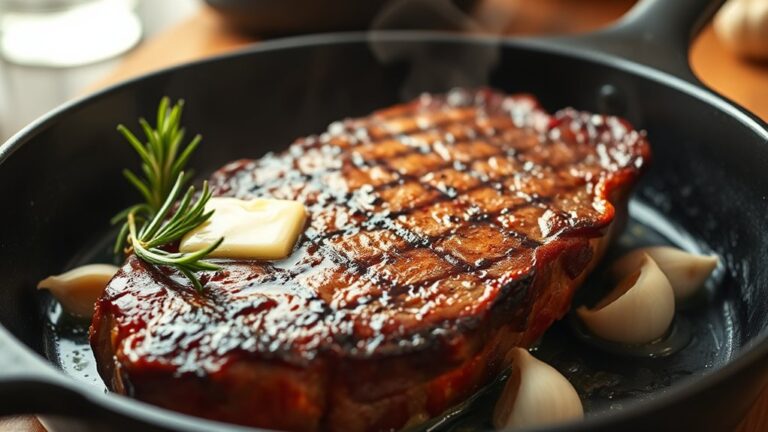
- Steaks: Grill at 450°F to 500°F for a nice sear and juicy interior.
- Ribs: Cook low and slow around 225°F to 275°F to break down tough fibers.
- Veggies: Moderate heat of 350°F to 400°F works best to avoid burning while achieving tenderness.
- Thick cuts: Use a two-zone setup—start on high heat (450°F+) for searing, then move to indirect lower heat (300°F) to finish cooking.
Mastering these temperatures will elevate your grilling game and bring out the best flavors.
Common Grilling Mistakes That Cause Overheating or Undercooking
Although grilling seems straightforward, many people make mistakes that cause their food to overcook or stay underdone. One common error is not preheating the grill properly, which leads to uneven cooking. If you skip this step, your food won’t sear correctly and may stick to the grates.
Another mistake is using too much direct heat for delicate items, causing them to burn outside while remaining raw inside. Flipping food too often also prevents proper browning and can slow cooking. Additionally, overcrowding the grill limits airflow, raising temperatures unpredictably and resulting in uneven heat distribution.
Avoid opening the lid repeatedly, as this lets heat escape and extends cooking time. By steering clear of these mistakes, you’ll keep your grill’s temperature steady and your food cooked just right.
Using a Grill Thermometer vs. Built-In Temperature Gauges
Since accurate temperature control is key to grilling success, choosing between a grill thermometer and built-in temperature gauges can make a big difference. You want to know exactly how hot your grill gets to cook food perfectly.
Here’s what to evaluate:
- Accuracy: External grill thermometers usually provide more precise readings than built-in gauges.
- Placement: Built-in gauges measure air temperature near the lid, not the cooking surface.
- Durability: External thermometers can be replaced if faulty; built-in ones often require grill service.
- Cost: Built-in gauges come standard, while quality external thermometers might be an extra investment.
How to Maintain Consistent Heat During Long BBQ Sessions
When you’re grilling for hours, keeping the heat steady is essential to avoid undercooked or burnt food. Start by controlling your vents—open them to increase airflow and heat, close them slightly to lower it. Avoid lifting the lid too often; each peek lets heat escape and causes temperature fluctuations.
Use a reliable grill thermometer to monitor internal temperatures closely rather than relying solely on built-in gauges. Arrange your coals or burners for indirect heat when cooking longer, so food cooks evenly without scorching. Add charcoal or adjust gas flow gradually instead of making sudden changes.
Finally, clean your grill grates regularly to prevent flare-ups that can spike temperatures unexpectedly. Following these steps helps you maintain consistent heat for perfectly cooked BBQ every time.
Frequently Asked Questions
What Safety Precautions Should I Take When Handling a Hot BBQ Grill?
You should wear heat-resistant gloves, keep a spray bottle nearby for flare-ups, never leave the grill unattended.
Use long-handled tools, and make sure your grill is on a stable, non-flammable surface to stay safe while cooking.
How Long Does It Take for a BBQ Grill to Cool Down Completely?
It usually takes about 30 minutes to an hour for a BBQ grill to cool down completely—just when you think it’s safe, those hidden hot spots might surprise you,
so always handle it with care and patience.
Can Weather Conditions Affect My BBQ Grill’s Temperature?
Yes, weather conditions definitely affect your BBQ grill’s temperature. Wind can cool it down, rain can lower heat, and cold weather makes reaching high temps harder.
You’ll need to adjust cooking times accordingly for best results.
What Types of Fuel Are Best for Maintaining Consistent Grill Heat?
Want steady heat without constant fuss? Charcoal briquettes and natural lump charcoal provide consistent temperatures, while propane gas offers easy control.
You’ll find these fuels keep your grill steady, letting you focus on perfecting your BBQ.
How Do Different Grill Materials Affect Heat Retention and Cooking?
Different grill materials affect heat retention by conducting and holding heat differently. Cast iron holds heat longer, giving even cooking. Stainless steel heats quickly but loses heat fast.
Ceramic grills trap heat well for steady, consistent cooking.
Conclusion
Just like a seasoned captain reads the stars to navigate, you’ve learned to read your grill’s heat to master the art of BBQ. Knowing your grill’s temperature is your compass, guiding you to perfectly cooked steaks, ribs, and veggies every time. Avoid common pitfalls, trust your thermometer, and keep your fire steady.
With this knowledge, you’re ready to turn every BBQ into a legendary feast—where flavor and control sail hand in hand. Understanding how hot a BBQ grill gets is key to achieving the perfect cook. Mastering grill temperature ensures your BBQ skills shine with every meal.