How to Pan Fry Perch in 7 Simple Steps
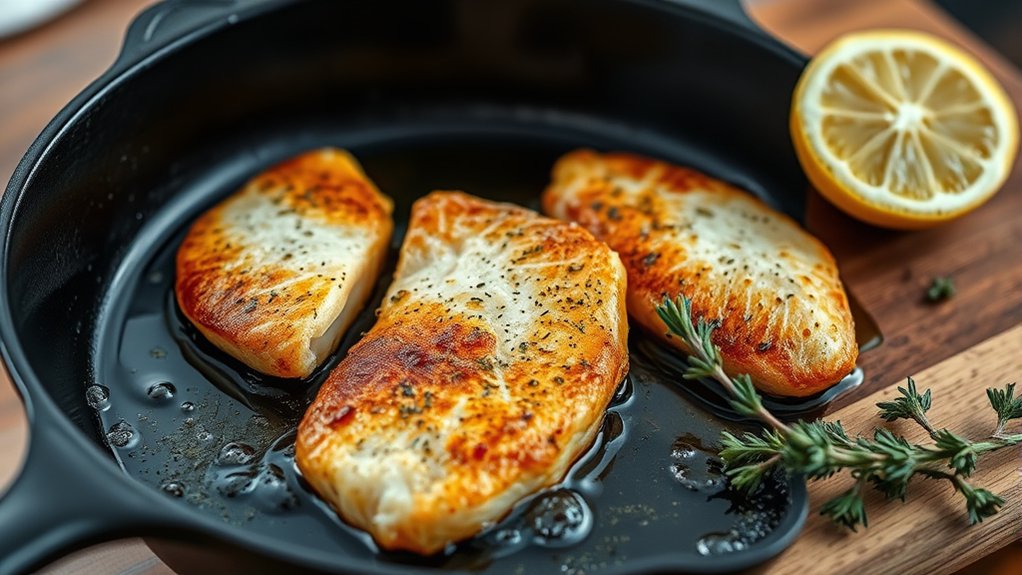
To pan fry perch perfectly, start by selecting fresh, firm perch fillets for the best texture and flavor. Pan frying perch is a quick and tasty way to enjoy this mild, flaky fish. Follow these seven simple steps to achieve a crispy, golden crust every time.
Begin by patting the fillets dry to remove excess moisture. Season them evenly with salt, pepper, and your favorite spices. Then, coat the fillets lightly with flour or crushed chips to add extra crispiness.
Heat a pan over medium-high heat using a high-smoke-point oil until it shimmers. Gently place the fillets skin-side down in the pan. Cook each side for about 3-4 minutes until the fish is golden and flaky, adjusting the heat as needed.
Keep your side dishes warm while you finish cooking. With this easy technique, you’ll soon master the art of pan frying perch for a delicious meal every time.
Key Takeaways
- Pat perch fillets dry and season evenly with salt, pepper, and optional spices like garlic powder or paprika.
- Coat fillets with flour, cornmeal, or panko, pressing gently to ensure the coating sticks well.
- Heat a pan over medium-high, add high smoke point oil, and wait until shimmering before adding fish.
- Cook fillets skin-side down for 3-4 minutes until golden, then flip and cook the other side 2-3 minutes.
- Remove fish promptly once opaque and flaky, adjusting heat to avoid burning or undercooking inside.
Choose the Best Perch Fillets for Pan Frying
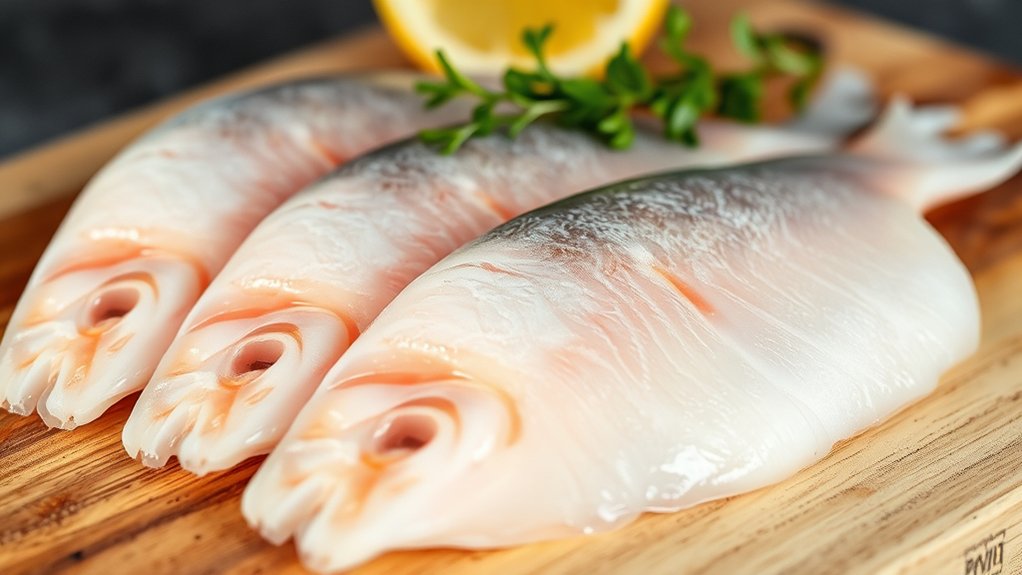
When selecting perch fillets for pan frying, you’ll want to pick pieces that are fresh, firm, and have a clean, mild scent. Avoid fillets that look dull, feel slimy, or carry a strong fishy odor. The flesh should be moist but not wet or sticky.
Choose fillets that are evenly cut, about half an inch thick, to *guarantee* even cooking. Smaller fillets cook faster and tend to be more tender, so keep that in mind based on your preference. If possible, buy from a reputable source or fishmonger who can tell you when the perch was caught.
Properly chosen fillets will give you that perfect flaky texture and delicate flavor once pan fried, setting the foundation for a delicious meal.
Season and Coat Your Perch Fillets for Crispiness
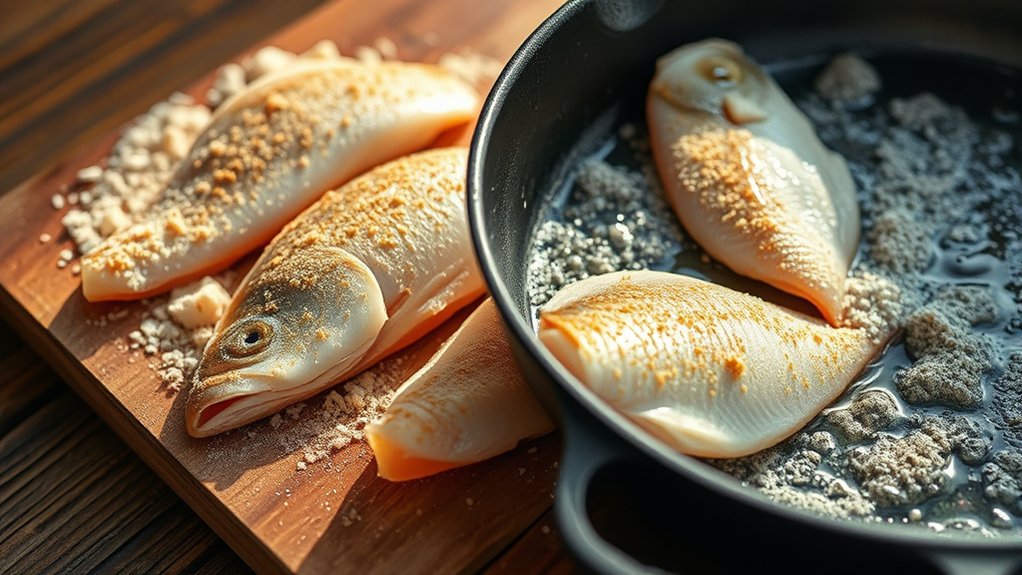
To get that perfect crispy crust, you’ll want to start by choosing the right seasoning that complements your perch. Next, coat your fillets evenly using techniques that lock in flavor and texture.
Follow a few simple tips, and you’ll have extra crispy perch every time.
Choosing The Right Seasoning
Although perch has a mild flavor that stands well on its own, choosing the right seasoning can elevate your dish and create a crispy, flavorful crust. Start with simple salt and pepper to enhance the natural taste without overpowering it. Add a touch of garlic powder or paprika for subtle warmth and depth.
Lemon zest or a sprinkle of dill can bring a bright, fresh note that complements the fish beautifully. If you like a bit of heat, a pinch of cayenne or chili powder works well. Remember, the goal is to highlight the perch, not mask it, so keep your seasoning balanced.
Once you’ve selected your spices, evenly sprinkle them over both sides of the fillets before moving on to the coating process.
Effective Coating Techniques
Since achieving a crispy coating is key to perfect pan-fried perch, you’ll want to apply your seasoning thoughtfully before adding a protective layer. After patting your fillets dry, sprinkle both sides evenly with salt, pepper, and any preferred spices. This guarantees flavor penetrates the fish.
Next, choose your coating—flour, cornmeal, or a blend. Lightly dredge each fillet, shaking off excess to avoid sogginess. For an extra layer, dip the fillets in beaten egg before coating; this helps the crust stick better.
Make sure your coating is thin and even so it cooks uniformly. By seasoning first and carefully applying your coating, you set the foundation for a golden, crispy crust that locks in moisture and enhances texture.
Tips For Extra Crispiness
When you want extra crispiness, focus on both your seasoning and coating choices to elevate your perch fillets. Start by patting the fillets dry to remove moisture, then season with salt, pepper, and a pinch of garlic powder.
For the coating, a mix of flour and cornmeal adds a satisfying crunch. Dredge the fillets evenly, pressing gently to ensure the coating sticks well.
Here’s a quick guide to help you:
| Seasoning Tips | Coating Suggestions |
|---|---|
| Salt and pepper | Flour and cornmeal mix |
| Garlic powder | Panko breadcrumbs |
| Paprika | Crushed potato chips |
| Lemon zest | Cornstarch and flour |
| Cayenne pepper | Rice flour |
These combinations guarantee a crispy, flavorful crust every time you pan fry perch.
Heat the Pan and Choose the Best Cooking Fat
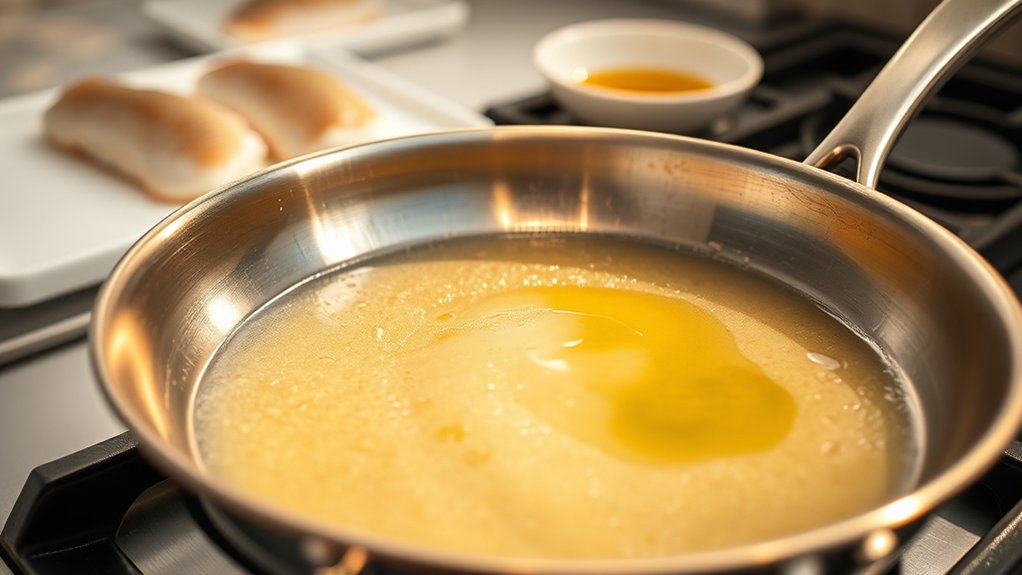
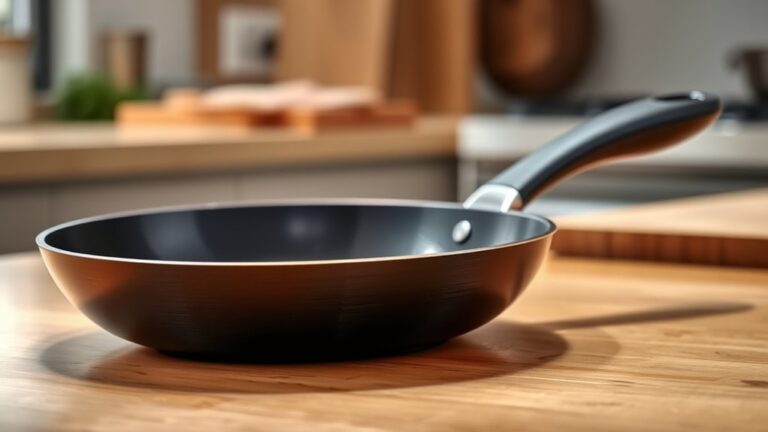
Start by heating your pan over medium-high heat until it’s hot but not smoking. This helps guarantee your perch cooks evenly and doesn’t stick. Choosing the right cooking fat is vital for flavor and texture.
Opt for oils with a high smoke point like canola, grapeseed, or refined avocado oil. These tolerate heat well without burning, which keeps your perch tasting fresh. Butter adds great flavor but burns quickly, so consider blending it with oil if you want that buttery richness without the risk.
Avoid olive oil; its lower smoke point can cause unpleasant flavors when overheated. Once your pan is hot, add the fat, letting it melt or heat until shimmering before placing the fillets in. This step sets you up perfectly for a delicious pan-fried perch.
Cook Perch Fillets for a Crispy Golden Finish
You’ll want to pick an oil with a high smoke point to get that perfect sear without burning. Make sure your pan is hot enough before adding the fillets to lock in the crispiness.
Keep an eye on the timing to achieve a golden finish without overcooking.
Choosing The Right Oil
Why does the choice of oil matter when pan frying perch? It affects both flavor and texture. You want an oil with a high smoke point to avoid burning and imparting bitterness to your fillets.
Oils like canola, vegetable, or peanut oil work great because they handle heat well and won’t overpower the delicate taste of perch. Avoid olive oil since its lower smoke point can cause burning, ruining your crispy golden finish. Also, pick an oil with a neutral flavor so the fish’s natural taste shines through.
Using the right oil guarantees even cooking and that perfect, crispy crust. So, grab an oil that balances heat tolerance and subtlety to make your pan-fried perch truly delicious.
Achieving Perfect Heat
When you maintain the right heat, your perch fillets will develop that irresistible crispy golden crust without drying out. Start by preheating your pan over medium-high heat and test it with a drop of water—it should sizzle and evaporate quickly.
Avoid too high heat, or the fillets may burn on the outside while staying raw inside. Too low, and you’ll end up with soggy, unevenly cooked fish.
| Heat Level | Outcome |
|---|---|
| Low | Soggy, pale fillets |
| Medium-Low | Slow cooking, less crisp |
| Medium-High | Ideal crisp, golden finish |
| High | Burnt outside, raw inside |
| Very High | Smoke, burnt oil, bitterness |
Master this balance, and your perch will turn out perfectly crispy every time.
Timing For Crispiness
Once your pan reaches that ideal medium-high heat, the next step is timing your perch fillets just right. Cooking them too long risks dryness, too short means no crispiness. Here’s how to nail it:
- Place fillets skin-side down and cook undisturbed for 3-4 minutes.
- Check edges for a golden-brown color to confirm crispiness.
- Flip carefully and cook the other side for 2-3 minutes.
- Remove from heat once the fillets flake easily with a fork.
Stick to these times and you’ll get that perfect crispy golden finish every time. Remember, pan frying perch is all about balance—hot pan, precise timing, and minimal flipping. You’ve got this!
Know When Pan-Fried Perch Is Perfectly Done
Although cooking times can vary, you’ll know your pan-fried perch is perfectly done when the flesh turns opaque and flakes easily with a fork. To check, gently press the fish’s thickest part with a fork or your finger. If it flakes apart without resistance, it’s ready.
Avoid overcooking, which makes the perch dry and tough. Keep an eye on the color too—the outside should be golden brown and crispy. If you notice any translucency in the center, give it a little more time.
Serve Pan-Fried Perch With Easy Side Dishes
To complement your perfectly pan-fried perch, pair it with simple, flavorful side dishes that won’t overpower the delicate fish. Choose sides that add texture and invigorating brightness without stealing the spotlight. Here are four easy options to try:
- Lemon Garlic Asparagus – Lightly sautéed asparagus with a squeeze of lemon brightens each bite.
- Herbed Rice Pilaf – Fluffy rice mixed with fresh herbs adds a mild, aromatic base.
- Crisp Garden Salad – A mix of greens, cherry tomatoes, and cucumbers dressed in a tangy vinaigrette offers a revitalizing crunch.
- Roasted Baby Potatoes – Small potatoes roasted with rosemary and olive oil bring warmth and earthiness.
These sides balance flavors and textures, making your pan-fried perch meal both satisfying and elegant.
Fix Common Problems When Pan Frying Perch
If your perch sticks to the pan or cooks unevenly, you’re not alone—these are common issues that can make pan frying frustrating. To prevent sticking, make sure your pan is hot before adding oil, and use enough oil to coat the surface. Avoid flipping the fish too soon; let it form a golden crust first.
For even cooking, cut perch fillets into similar sizes and avoid overcrowding the pan, which lowers the temperature. If the fish cooks too fast on the outside but remains raw inside, reduce the heat slightly. Finally, pat your perch dry before seasoning to minimize moisture, which causes splattering and uneven browning.
With these tips, you’ll fix common problems and enjoy perfectly pan-fried perch every time.
Frequently Asked Questions
Can You Pan Fry Perch Fillets From Frozen?
Yes, you can pan fry perch fillets from frozen, but you’ll need to cook them a bit longer and lower the heat to avoid burning.
Make sure to season well and cook evenly for the best results.
How Do You Store Leftover Pan-Fried Perch?
Wrap your leftover perch snugly in foil or place it in an airtight container.
Pop it in the fridge, where it’ll stay fresh for 2-3 days, ready to revive that crispy, golden flavor you love.
Is Perch Healthy to Eat Regularly?
Yes, perch is healthy to eat regularly because it’s low in calories, high in protein, and rich in omega-3 fatty acids.
Just make sure you prepare it in a healthy way, like grilling or light pan-frying.
Can You Pan Fry Perch Without Flour or Breadcrumbs?
Yes, you can pan fry perch without flour or breadcrumbs. Just season the fish well, heat oil in a pan, and cook until golden and crispy.
This method keeps it simple and highlights the perch’s natural flavor.
What Is the Best Oil Smoke Point for Pan Frying Perch?
You want an oil with a smoke point above 400°F, like avocado or peanut oil, so it sizzles like summer thunder without burning.
This keeps your perch crispy and golden, perfect every time you cook.
Conclusion
Now that you know how to pan fry perch like a pro, you’re all set to impress your friends faster than you can say “Great Scott!” Just remember to pick fresh fillets, season them well, and keep an eye on that golden crust.
With a bit of practice, you’ll have perfectly crispy perch every time. So fire up your skillet, channel your inner chef, and enjoy a delicious meal that’s timelessly tasty!
Mastering how to pan fry perch ensures a flavorful, crispy dish that’s quick and easy to prepare. Follow these simple steps, and you’ll be serving up restaurant-quality pan fried perch in no time!