10 Easy Steps to Clean Glass Cooktops
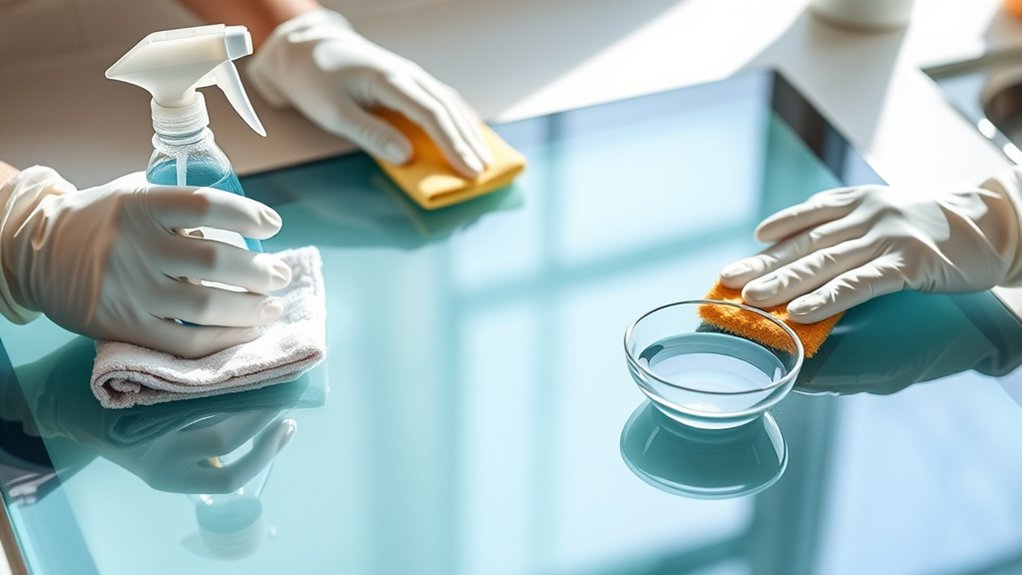
To clean your glass cooktop effectively, start by gathering essential supplies such as a microfiber cloth, a gentle glass cleaner, and a scraper. These tools will help you maintain the smooth surface and keep your cooktop looking pristine. Proper cleaning not only enhances its appearance but also prolongs its lifespan.
Let the surface cool completely before you begin to avoid any burns or damage. Remove loose debris using a soft brush or cloth to prepare the cooktop for deeper cleaning.
Focus on cleaning around knobs and edges by applying the cleaner in gentle circular motions.
Carefully scrape stubborn burnt spots with the scraper, taking care not to scratch the glass. Afterward, wipe down the surface with a damp cloth to remove any residue.
Finish by drying and polishing with a soft, lint-free cloth to restore shine.
Regular maintenance is key to prolonging your cooktop’s performance and keeping it spotless. For detailed tips, keep exploring how to perfect each step.
Key Takeaways
- Allow the cooktop to cool completely before cleaning to avoid burns and damage.
- Use a soft microfiber cloth and a gentle, glass-specific cleaner for safe surface cleaning.
- Remove knobs and clean around edges with a damp, soapy cloth and toothbrush for grease removal.
- Soften stubborn burnt residue with a damp cloth, then carefully scrape with a cooktop scraper at 45 degrees.
- Dry and polish the surface using a clean, lint-free microfiber cloth to restore shine and prevent streaks.
Gather Your Glass Cooktop Cleaning Supplies
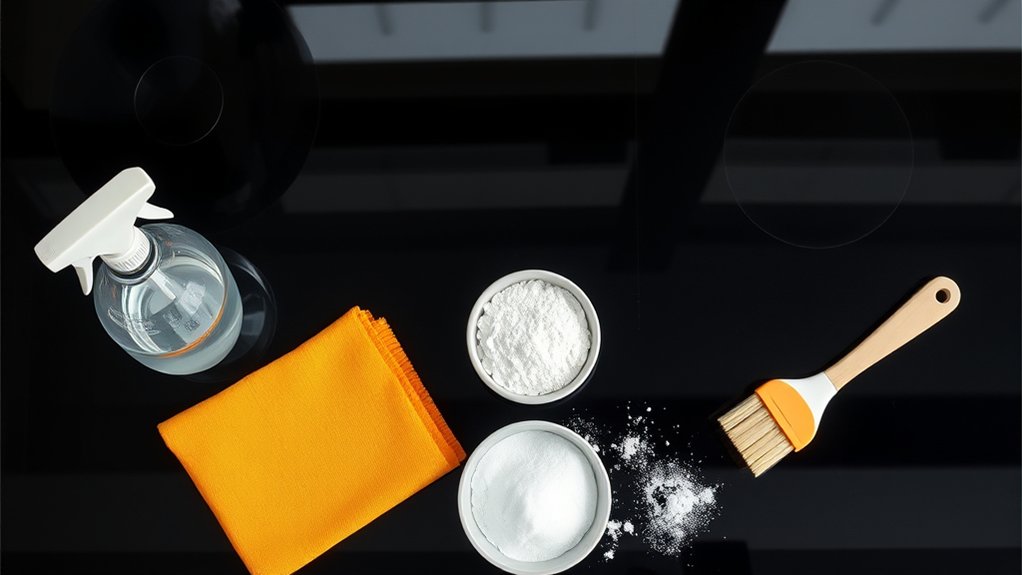
Before you begin cleaning your glass cooktop, gather all the necessary supplies to make the process smooth and efficient. You’ll need a soft microfiber cloth or sponge to avoid scratching the surface. Grab a scraper designed for glass cooktops to tackle stubborn, burnt-on food safely.
A gentle cleaner formulated specifically for glass cooktops will help remove grease and stains without causing damage. Have some warm water ready to rinse off residue, and keep a dry cloth handy to buff the surface to a shine afterward. Avoid abrasive pads or harsh chemicals, as they can dull or scratch the glass.
Let Your Glass Cooktop Cool Completely
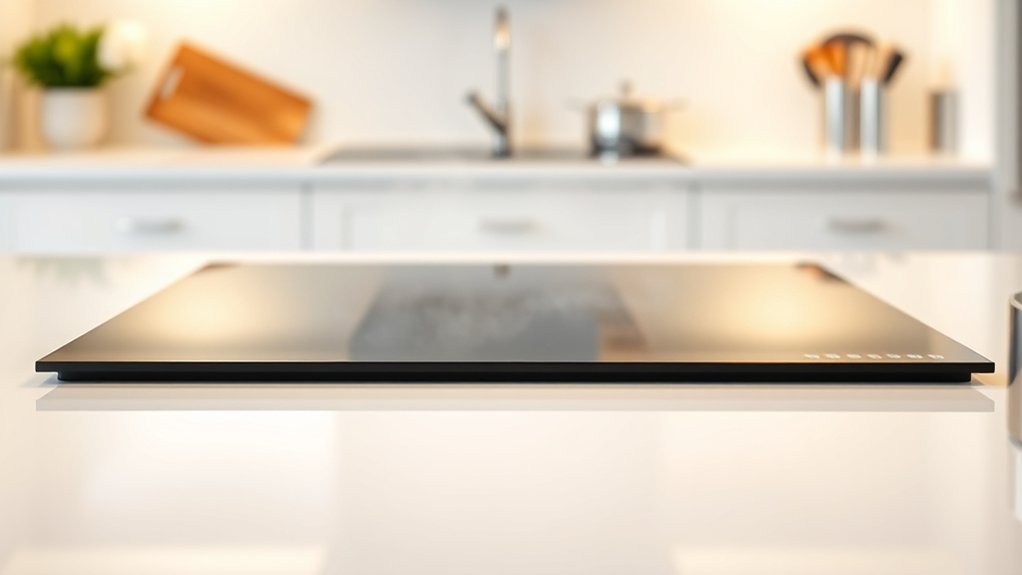
How long you wait before cleaning your glass cooktop can make all the difference. If you start cleaning while it’s still hot, you risk burns and damaging the surface. Let it cool completely to avoid streaks and scratches caused by rushed cleaning.
Cooling also allows stubborn spills to harden slightly, making them easier to lift without smearing.
Here’s a simple guideline for cooling times based on recent cooking:
| Cooking Activity | Recommended Cooling Time |
|---|---|
| Boiling Water | 15-20 minutes |
| Frying or Searing | 30 minutes |
| Baking or Roasting | 45 minutes |
Patience here pays off, ensuring your cooktop stays pristine and scratch-free for the next use.
Remove Loose Debris and Crumbs
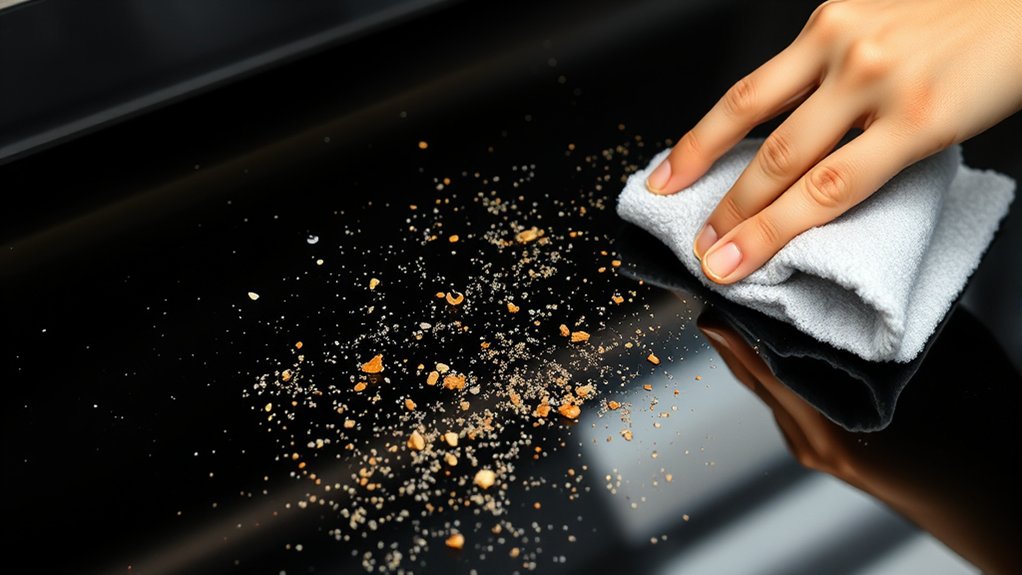
Once your glass cooktop has fully cooled, you can start clearing away any loose debris and crumbs. This step helps prevent scratching the surface during cleaning and makes the process smoother.
Here’s how to do it effectively:
- Use a soft-bristle brush or a handheld vacuum to gently remove crumbs and particles from the cooktop surface.
- Wipe the surface lightly with a microfiber cloth to pick up any remaining dust or small debris.
- Check for stubborn bits stuck in corners or around burners and carefully loosen them with a plastic scraper or your fingers.
Clean Around Knobs and Edges
Although the main cooktop surface gets most of the attention, cleaning around the knobs and edges is just as important to keep your glass cooktop spotless. Start by gently pulling off the knobs if your model allows—it makes cleaning easier and prevents moisture from seeping inside. Use a soft cloth dampened with warm, soapy water to wipe around the edges and the area beneath the knobs.
Pay attention to stubborn spots where grease and grime tend to build up. Avoid abrasive tools that can scratch the glass or damage the finish. For tight corners, a soft-bristled toothbrush works wonders to loosen dirt without causing harm.
Once clean, dry the area thoroughly before replacing the knobs to prevent any moisture-related issues. This simple step keeps your cooktop looking new and functioning well.
Apply a Gentle Glass Cooktop Cleaner
You’ll want to pick a cleaner designed specifically for glass cooktops to avoid scratches or damage. Apply it carefully, using a soft cloth or sponge to spread the product evenly.
This gentle approach helps keep your cooktop looking spotless without harming the surface.
Choosing Safe Cleaning Products
When selecting a cleaner for your glass cooktop, choose one that’s specifically formulated to be gentle yet effective. Harsh chemicals can damage the surface, so opt for products designed to protect the glass while removing grime.
Here are three tips to pick a safe cleaner:
- Look for labels mentioning non-abrasive or safe for glass cooktops.
- Avoid cleaners with ammonia, bleach, or strong acids that can etch the surface.
- Consider eco-friendly options that use natural ingredients to minimize chemical exposure.
Proper Application Techniques
Since applying the cleaner properly guarantees the best results, start by spraying a small amount directly onto the cooktop or a soft cloth. Avoid over-saturating the surface, as too much liquid can seep into seams and damage electrical components. Use a microfiber cloth or a non-abrasive sponge to spread the cleaner evenly, focusing on stubborn spots without applying excessive pressure.
Work in gentle, circular motions to lift grime and avoid scratching the glass. After cleaning, wipe away any residue with a clean, damp cloth, then buff the surface dry with a soft towel to restore shine. Remember, patience and a light touch are key—rushing or scrubbing hard could cause damage.
Proper application guarantees your glass cooktop stays spotless and scratch-free.
Use a Non-Abrasive Sponge to Scrub Stains
How can you remove stubborn stains without scratching your glass cooktop? The key is to use a non-abrasive sponge, which gently lifts grime without damaging the surface.
Here’s how to do it effectively:
1. Dampen the sponge with warm water and apply a small amount of cleaner designed for glass cooktops. 2. Gently scrub the stained area using circular motions, focusing on spots without pressing too hard. 3. Rinse the sponge frequently to avoid spreading dirt and wipe away residue with a clean, damp cloth.
Carefully Scrape Off Stubborn Burnt-On Spots
When you encounter stubborn burnt-on spots, start by softening the residue with a damp cloth or cleaner. Use a proper scraping tool designed for glass cooktops to avoid scratches.
Then, gently scrape the spots, applying just enough pressure to lift the residue without damaging the surface.
Choose Proper Scraping Tools
Choosing the right scraping tools makes a big difference in safely removing stubborn burnt-on spots from your glass cooktop. You want tools that get the job done without scratching or damaging the surface. Here are three top options to consider:
- Razor blade scraper: Use a scraper with a single-edge razor blade held at a 45-degree angle to carefully lift burnt residue without gouging the glass.
- Plastic scraper: Opt for a sturdy plastic scraper when you want a gentler touch to avoid scratches on delicate areas.
- Cooktop-specific scraper: These often have ergonomic handles and specially designed blades for safe, effective scraping tailored to glass surfaces.
Soften Burnt Residue First
Before you start scraping, soften the burnt residue to make removal easier and prevent scratches. Begin by placing a damp cloth or paper towel over the burnt spots and let it sit for 10-15 minutes. The moisture will help loosen the hardened residue, making it less likely to damage your cooktop when you scrape.
Alternatively, you can spray a little warm water or a gentle glass cooktop cleaner directly onto the burnt areas. Avoid using harsh chemicals or abrasive materials at this stage, as they can harm the surface. Once softened, the residue will lift more readily, reducing the effort you need to put in.
Taking this step first guarantees you protect your cooktop while effectively tackling stubborn burnt-on spots.
Apply Gentle Scraping Technique
Once the burnt residue has softened, you can carefully scrape it off without risking damage to your glass cooktop. Use a plastic scraper or a razor blade held at a 45-degree angle to gently lift stubborn spots. Avoid pressing too hard to prevent scratches.
Follow these steps:
- Hold the scraper firmly and angle it just enough to slide under the residue.
- Apply slow, steady pressure to lift burnt spots without gouging the surface.
- Wipe away loosened debris with a damp cloth before proceeding.
Take your time during this process to protect your cooktop’s finish. If any residue remains, repeat the softening and scraping steps until your surface looks clean and smooth.
Wipe Down With a Damp Microfiber Cloth
Start by grabbing a damp microfiber cloth to gently wipe down your glass cooktop. This step helps remove any remaining loosened debris and residue from the scraping process without scratching the surface. Use light, circular motions to make certain you cover every spot evenly.
Avoid pressing too hard, as microfiber cloths are designed to trap dirt and grime without damaging the glass. Rinse the cloth frequently under warm water to keep it clean and effective. If needed, wring out excess water so the cloth is damp, not soaking wet, preventing streaks.
Taking your time here makes certain you clear away stubborn particles and prepare the cooktop for the final steps. This gentle wipe-down is key to maintaining a spotless, scratch-free surface.
Dry and Polish to Restore Shine
You’ll want to pick a soft, lint-free cloth to avoid scratches when drying your cooktop. Use gentle, circular motions to polish the surface without leaving streaks.
This technique helps restore the glass’s natural shine and keeps it looking spotless.
Choosing The Right Cloth
Selecting the right cloth makes all the difference when drying and polishing your glass cooktop. Choose a cloth that enhances the shine without scratching the surface. Here are three key points to ponder:
- Microfiber Cloths: These are your best bet. They’re soft, lint-free, and absorb moisture well, leaving a spotless finish.
- Avoid Rough Fabrics: Stay away from abrasive materials like paper towels or dishcloths that can cause scratches or leave fibers behind.
- Keep It Clean: Always use a fresh, clean cloth to prevent transferring dirt or grease back onto your cooktop.
Techniques For Streak-Free Shine
Although cleaning your glass cooktop removes grime, drying and polishing it properly brings out its true shine. After wiping away residue, use a microfiber cloth to dry the surface thoroughly.
Next, polish with gentle circular motions to avoid streaks. Applying a small amount of vinegar or a specialized glass cleaner can enhance the sparkle without leaving residue.
Here’s a quick guide to drying and polishing techniques:
| Technique | Benefit |
|---|---|
| Use microfiber cloth | Avoids scratches and lint |
| Dry immediately | Prevents water spots |
| Circular motions | Even polishing, no streaks |
| Use glass cleaner | Enhances shine, removes smudges |
| Minimal product | Prevents buildup and residue |
Follow these steps, and your cooktop will gleam after every clean.
Maintain Your Glass Cooktop for Lasting Cleanliness
To keep your glass cooktop looking spotless over time, regular maintenance is essential. You’ll extend its lifespan and avoid stubborn stains by staying consistent.
Consistent care is key to keeping your glass cooktop spotless and lasting longer.
Here’s how you can maintain your cooktop easily:
- Clean after each use: Wipe spills and splatters immediately with a damp cloth to prevent buildup.
- Use gentle cleaners: Opt for non-abrasive cleaners designed for glass cooktops to avoid scratches.
- Avoid heavy pots and pans: Don’t slide heavy cookware across the surface to prevent cracks or damage.
Frequently Asked Questions
Can I Use Vinegar to Clean My Glass Cooktop?
Yes, you can use vinegar to clean your glass cooktop. It’s great for cutting grease and removing stains. Just spray it on, let it sit a few minutes, then wipe with a soft cloth for a shiny finish.
How Often Should I Deep Clean My Glass Cooktop?
You should deep clean your glass cooktop about once a month to keep it looking spotless and functioning well.
If you cook frequently, consider deep cleaning every two weeks to prevent buildup and stains.
Are There Any Natural Alternatives to Commercial Cleaners?
Yes, you can use natural alternatives like a mixture of baking soda and water or vinegar and water. They’re effective, safe, and won’t leave harsh chemicals on your glass cooktop.
Just scrub gently!
Can I Use a Razor Blade Without Scratching the Surface?
You can use a razor blade safely—over 80% of users report no scratches—if you hold it at a 45-degree angle and scrape gently on a cooled cooktop.
Always test a small area first to avoid damage.
What Should I Do if My Cooktop Cracks?
If your cooktop cracks, turn off the appliance immediately and avoid using it. Don’t try to fix it yourself.
Contact a professional technician or the manufacturer for repair or replacement to guarantee your safety.
Conclusion
By following these 10 easy steps, you’ll keep your glass cooktop spotless and shining like new. Did you know that regular cleaning can extend your cooktop’s lifespan by up to 30%? That means less frequent replacements and more time enjoying your kitchen.
Just remember to be gentle and consistent with your care routine, and your cooktop will stay beautiful and functional for years to come. Keep it clean, and it’ll always perform at its best!
Regular maintenance and proper cleaning of your glass cooktop are key to preserving its appearance and functionality. By incorporating these simple steps into your routine, you ensure a sparkling and efficient glass cooktop every day.