7 Facts About Teflon Used in Cookware Now
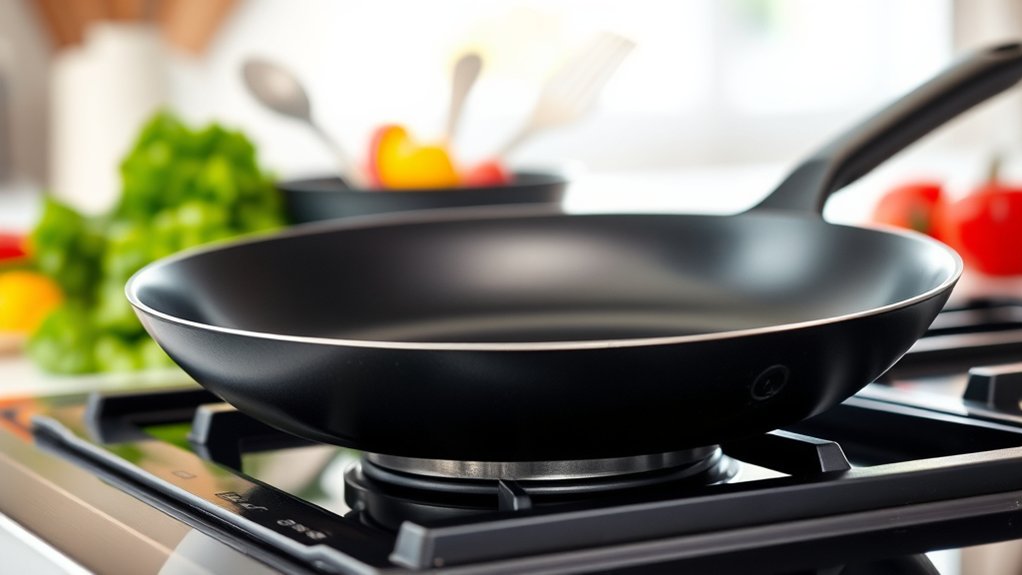
Teflon cookware, made from polytetrafluoroethylene (PTFE), offers a nonstick, easy-to-clean surface that requires less oil for healthier cooking. This popular kitchen material is known for its strong carbon-fluorine bonds, which provide excellent resistance to heat and chemicals. However, to ensure safety and maintain its performance, avoid overheating Teflon pans above 500°F.
The base material of Teflon cookware plays a crucial role in heat distribution. Thicker aluminum or copper bases are ideal for even cooking and better heat conduction.
To preserve the nonstick coating, always use soft utensils to prevent scratches and damage.
Replace your Teflon pans when the coating begins to wear out to avoid food sticking and potential health risks. Keep reading to learn how to properly care for your Teflon cookware and know the right time for upgrades.
Key Takeaways
- Teflon is made from PTFE, providing a strong, slippery surface that prevents food from sticking during cooking.
- It requires a heat-conductive base like aluminum for even heat distribution and optimal cooking performance.
- Teflon coatings are safe below 500°F (260°C) but can release harmful fumes if overheated.
- Modern Teflon is more durable, free from PFOA, and requires gentle care to maintain nonstick properties.
- Visible wear or flaking signals the need to replace cookware to ensure safety and cooking efficiency.
What Teflon Is Made Of and How It Works
Teflon is made from a synthetic polymer called polytetrafluoroethylene (PTFE), which consists of carbon and fluorine atoms bonded together. When you look closer, the carbon-fluorine bonds create an incredibly strong, slippery surface that repels almost everything. This unique structure means Teflon resists heat, chemicals, and water, making it tough and durable.
When you cook, food simply slides off because the molecules don’t let anything stick to them. You’ll notice that Teflon’s nonstick nature comes from the fluorine atoms shielding the carbon chain, which reduces friction. So, when you handle cookware with a Teflon coating, you’re working with a surface engineered to prevent sticking by minimizing interaction between the pan and your food.
Why Teflon Is So Popular for Cookware
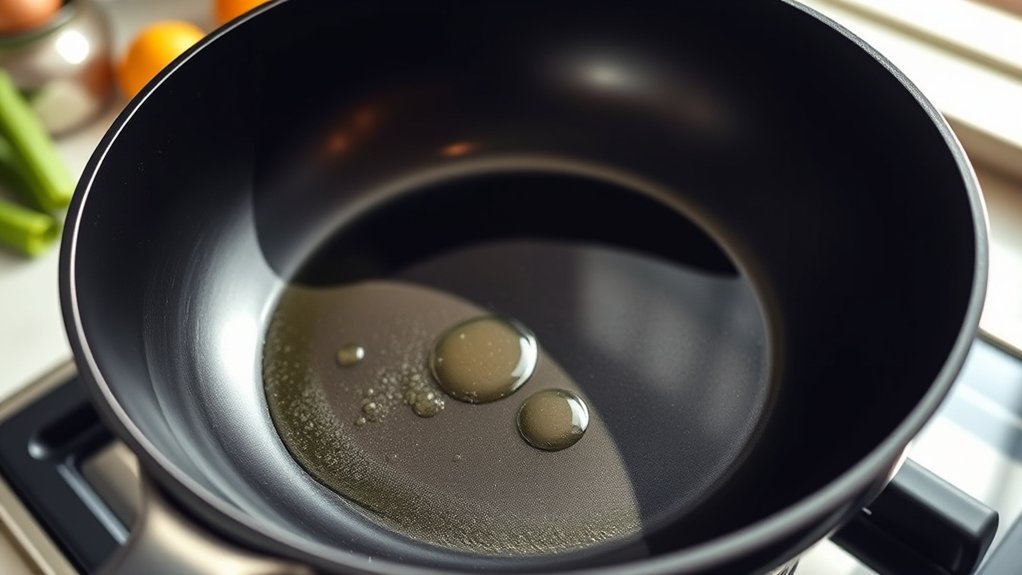
You’ll love how Teflon’s nonstick surface makes cooking much easier by preventing food from sticking. It also means you won’t spend extra time scrubbing pots and pans afterward.
These benefits are big reasons why Teflon remains a top choice for cookware.
Nonstick Surface Benefits
Because it prevents food from sticking, cookware coated with Teflon makes cooking and cleaning much easier for you. You can cook with less oil or butter, promoting healthier meals without sacrificing flavor. The smooth, slick surface helps you flip pancakes, eggs, or delicate fish effortlessly, giving you better control and results.
Teflon’s resistance to food adhesion also means your dishes come out intact, maintaining their presentation. Plus, you won’t have to worry about burned-on residues ruining your meals, as food slides off cleanly during cooking. This nonstick feature also reduces the risk of food tearing or sticking unevenly, so you get consistent cooking every time.
Easy Cleaning Advantages
How often do you dread scrubbing stubborn food residues off your cookware? With Teflon-coated pans, you can say goodbye to that hassle. The smooth, nonstick surface prevents food from clinging, making cleanup quick and effortless.
You won’t need to soak or use abrasive scrubbers that can damage your cookware. Instead, a simple wipe with a soft sponge and warm soapy water usually does the trick. This easy cleaning advantage saves you time and effort after cooking, letting you enjoy your meal without worrying about the mess.
Plus, maintaining Teflon cookware’s pristine condition becomes straightforward, extending its lifespan. That’s why so many people prefer Teflon for hassle-free cooking and cleanup.
How Teflon Cookware Affects Heat Distribution and Cooking
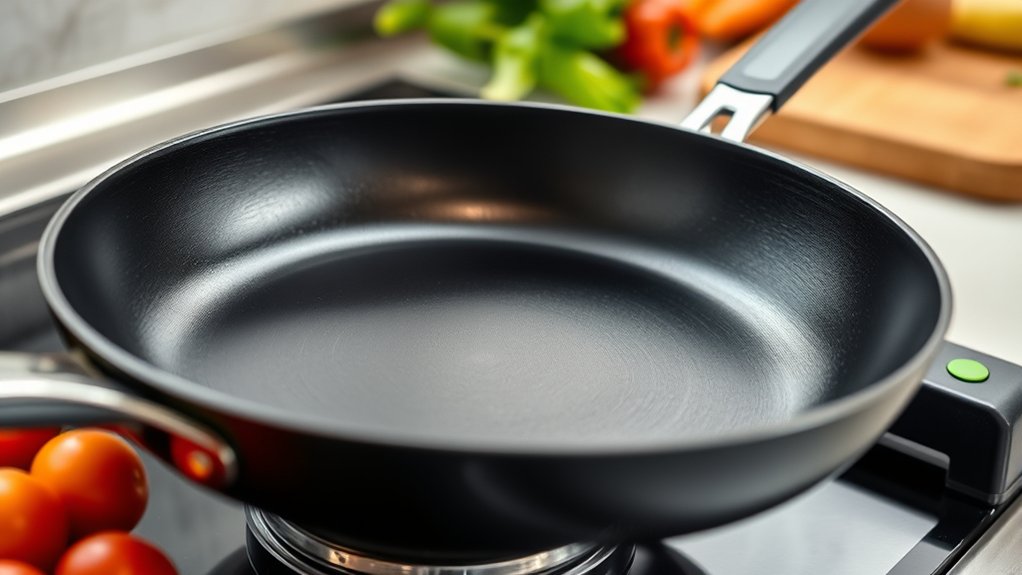
When you cook with Teflon cookware, you’ll notice how its heat conduction affects cooking times and temperature consistency. The nonstick surface also plays a key role in how evenly your food cooks without sticking.
Understanding these factors helps you get the best results every time you use it.
Heat Conduction Efficiency
Teflon cookware often changes the way heat spreads across your pan, affecting cooking performance. Because Teflon itself is a poor heat conductor, the pan’s base material plays a vital role in heat conduction efficiency. Aluminum or copper bases paired with Teflon help distribute heat evenly, so your food cooks uniformly without hot spots.
However, if the base is thinner or lower quality, you might notice uneven heating or slower cooking times.
| Base Material | Heat Conductivity | Effect on Cooking |
|---|---|---|
| Aluminum | High | Even heat, quick cooking |
| Copper | Very High | Superior heat spread |
| Stainless Steel | Moderate | Slower heat transfer |
| Cast Iron | Moderate | Retains heat longer |
Choosing the right base guarantees you get the best from your Teflon cookware.
Temperature Consistency Impact
Understanding heat conduction is just one part of the equation; maintaining temperature consistency throughout cooking is equally important for great results. When you use Teflon-coated cookware, you’ll notice that it helps distribute heat evenly across the surface. This consistency prevents hot spots, so your food cooks uniformly without burning in some areas while remaining undercooked in others.
Because Teflon itself doesn’t absorb much heat, the underlying metal’s quality becomes essential for steady temperature control. You’ll find that pans with thicker bases paired with Teflon coatings hold and spread heat more reliably, helping you cook delicate dishes with precision. Ultimately, this consistent heat reduces the need for constant temperature adjustments, making your cooking experience smoother and more predictable.
Nonstick Surface Influence
How does a nonstick surface change the way heat moves during cooking? Teflon coatings create a smooth barrier that slightly alters heat conduction compared to bare metal pans. You’ll notice that heat spreads more evenly across the surface, reducing hot spots that can burn food.
This means you can cook delicate items like eggs or fish with greater control. However, Teflon itself isn’t a great heat conductor; it relies on the underlying pan material to distribute heat efficiently. Because of this, you should choose cookware with good thermal properties—like aluminum or copper cores—beneath the Teflon layer.
Teflon Safety Considerations for Kitchen Use
When you cook with nonstick cookware, you might wonder about the safety of the materials involved. Teflon, the main nonstick coating, is generally safe when used properly. However, you should avoid overheating it above 500°F (260°C), as high heat can cause the coating to break down and release fumes that might cause flu-like symptoms in humans.
To keep your cookware safe, use medium or low heat settings and never preheat an empty pan. Also, avoid using metal utensils that can scratch the surface, as damaged coatings may reduce safety and performance. Regularly inspect your pans, and if the nonstick surface starts peeling or flaking, it’s time to replace them.
Following these simple steps helps you enjoy Teflon cookware safely in your kitchen.
How Teflon Coatings Have Evolved to Improve Performance and Safety
Although early Teflon coatings had limitations in durability and safety, manufacturers have continuously refined their formulas to enhance both performance and user protection. Today’s Teflon coatings are more resistant to scratches and high heat, so you can cook with confidence without worrying about peeling or toxic fumes.
Advances in polymer technology have made these coatings more bonded to cookware surfaces, reducing wear over time. Plus, modern Teflon is free from harmful chemicals like PFOA, making it safer for everyday use. You’ll also notice that newer coatings offer better nonstick properties, requiring less oil or butter for cooking.
These improvements mean you get cookware that’s not only easier to use but also safer and longer-lasting than ever before.
Caring for and Cleaning Teflon Cookware
Wondering how to keep your Teflon cookware in top shape? Proper care and cleaning make a big difference in maintaining its nonstick surface and extending its life. Avoid abrasive tools and harsh chemicals that can damage the coating.
Here’s how you can care for your Teflon pans effectively:
- Use soft sponges or cloths with mild dish soap to clean after each use.
- Avoid metal utensils; opt for wooden, silicone, or plastic tools to prevent scratches.
- Let the pan cool before washing to prevent warping and preserve the coating.
When to Replace Your Teflon Cookware and Why It Matters
Even with the best care, Teflon cookware doesn’t last forever. You should replace it once the nonstick surface starts to peel, chip, or scratch markedly. Using damaged Teflon pans can release harmful particles into your food and reduce cooking efficiency.
If you notice food sticking more often or see visible wear, it’s a clear sign to upgrade. Replacing your cookware ensures your meals stay safe and your cooking experience remains hassle-free. Additionally, worn Teflon pans may require more oil or butter, negating their health benefits.
Don’t wait for severe damage—regularly inspect your pans and swap them out every few years or sooner if needed. Protecting your health and maintaining cooking quality makes timely replacement essential.
Frequently Asked Questions
Can Teflon Coatings Be Applied to Non-Cookware Items?
Yes, you can apply Teflon coatings to non-cookware items like industrial machinery, electronics, and fabrics. These coatings reduce friction and resist corrosion, helping your items last longer and perform better in various environments.
The versatility of Teflon makes it ideal for a wide range of applications beyond just cookware. Its protective properties enhance durability and functionality in many industries.
From improving mechanical parts to protecting delicate electronic components, Teflon coatings offer significant benefits. This allows for extended use and reduced maintenance costs over time.
What Industries Outside Cooking Use Teflon?
You’ll find Teflon in industries like automotive, electronics, aerospace, and chemical processing. It’s used for its non-stick, heat-resistant, and low-friction properties in seals, wiring insulation, and protective coatings outside cooking.
How Is Teflon Recycled or Disposed of Safely?
You can’t recycle Teflon easily, so you should dispose of it through hazardous waste programs. Avoid burning it, as it releases toxic fumes.
Check local guidelines to guarantee safe handling and prevent environmental harm.
Are There Any Environmental Impacts of Teflon Production?
Like Pandora’s box, you’ll find that teflon production releases harmful greenhouse gases and toxic chemicals. You can’t ignore these environmental impacts, so it’s essential you support cleaner alternatives and responsible manufacturing practices.
Can Pets Be Harmed by Teflon Fumes in the Kitchen?
Yes, pets can be harmed by teflon fumes, especially birds, which are highly sensitive. If you overheat nonstick pans, toxic fumes can cause respiratory distress or even be fatal.
Always ventilate and avoid overheating.
Conclusion
You might see your Teflon pan’s slick surface as effortless cooking made easy, but underneath lies a complex balance of science and safety. While it lets food glide off smoothly, you’ve got to handle it gently to keep that magic intact.
Like a trusted partner, your cookware needs care and timely replacement to keep your kitchen moments flawless. Where convenience meets caution, every meal feels just right. Proper maintenance of Teflon cookware ensures both safety and longevity in your kitchen.