What Is Cast Iron Cookware and How to Use It
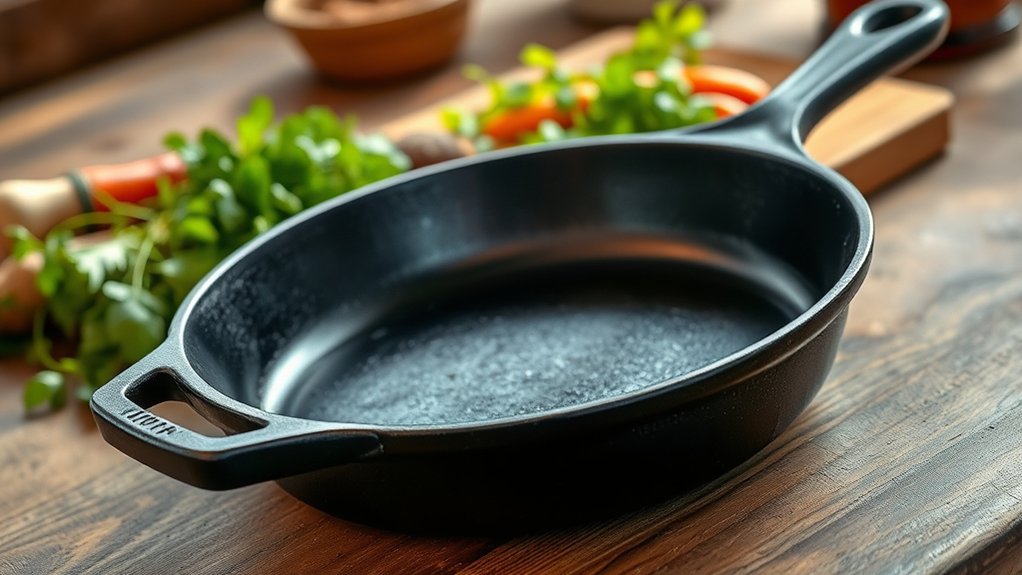
Cast iron cookware is a type of kitchen tool made from molten iron mixed with carbon, resulting in a heavy and durable pan. This cookware is prized for its excellent heat retention and even cooking performance, making it a favorite among chefs and home cooks alike.
To get the best results, it’s important to season cast iron before first use by coating it with oil and baking it to create a natural non-stick surface.
When cooking, use medium heat and avoid sudden temperature changes to protect the pan’s seasoning.
Clean your cast iron with hot water and dry it thoroughly to prevent rust from forming.
With proper care and maintenance, cast iron cookware can last for generations.
Keep reading to discover essential tips on seasoning, maintenance, and storage to ensure your cast iron remains in top condition.
Key Takeaways
- Cast iron cookware is made from molten iron with carbon, providing durability, heat retention, and even cooking performance.
- Season cast iron before use by applying oil and baking at 450°F to create a natural non-stick surface.
- Clean cast iron with hot water, avoid soap, dry immediately, and apply oil to maintain seasoning and prevent rust.
- Preheat cast iron slowly on medium or low heat to avoid hotspots and use medium heat for most cooking.
- Store cast iron dry, well-ventilated, and preferably hanging to preserve seasoning and prevent moisture damage.
What Cast Iron Cookware Is Made Of
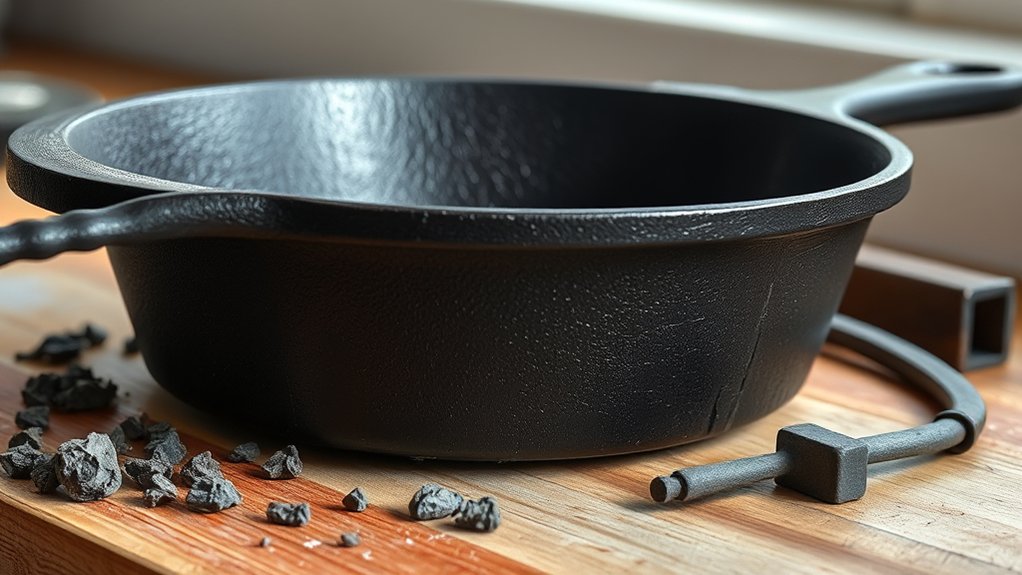
Although you might not see it, cast iron cookware is made primarily from molten iron combined with a small amount of carbon. This mix gives the cookware its strength and durability. When the molten iron cools and solidifies, it forms a dense, heavy material that holds heat exceptionally well.
You’ll find tiny amounts of other elements like silicon, manganese, and sulfur, which influence the texture and quality of the cast iron. The carbon content is essential—it hardens the iron while maintaining enough flexibility to avoid brittleness. This unique composition makes cast iron sturdy and long-lasting, able to withstand high temperatures without warping.
Understanding what it’s made of helps you appreciate why cast iron cookware performs so well in your kitchen.
Why You’ll Love Cast Iron Cookware
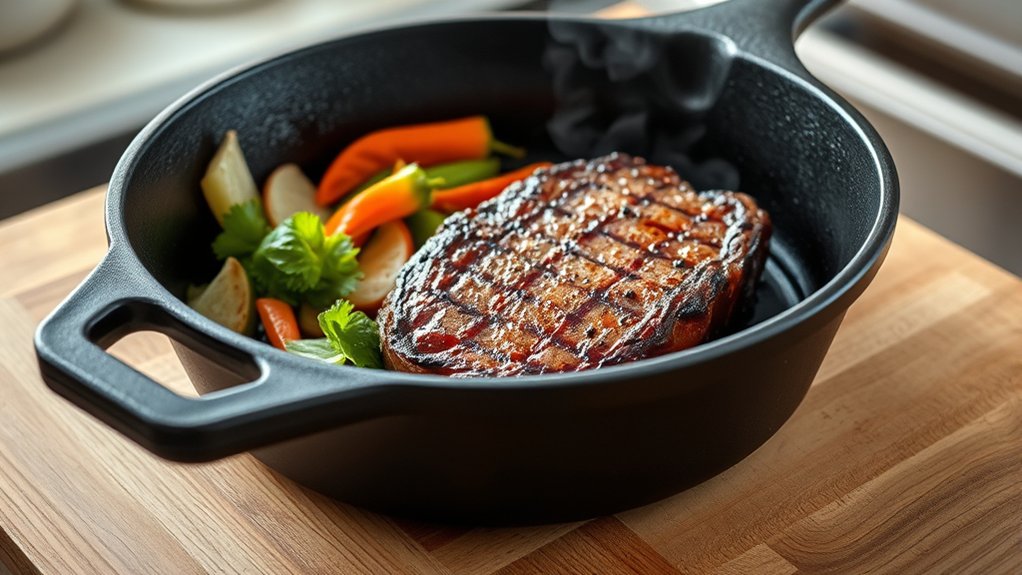
You’ll love cast iron cookware because it holds heat exceptionally well, giving your food a perfect, even cook. It’s incredibly durable, so it can last for generations with proper care.
Plus, it actually enhances the flavor of your meals, making every bite better.
Exceptional Heat Retention
Because cast iron cookware holds heat so well, your food cooks more evenly and stays warm longer. When you preheat your pan, it reaches and maintains a stable temperature, preventing hot spots that can burn your meal. This means you get consistent results whether you’re searing steaks or simmering sauces.
Plus, once you take the pan off the heat, it continues radiating warmth, keeping your dish hot at the table. You won’t have to rush serving or worry about food cooling too quickly. This exceptional heat retention also helps when cooking multiple batches, as the pan recovers heat quickly between uses.
With cast iron, you gain control over cooking temperature, enhancing flavor and texture every time you cook.
Durable And Long-Lasting
When you invest in cast iron cookware, you get pieces that stand up to years of daily use without losing their performance. This cookware is incredibly tough, resisting warping, cracking, and chipping even under high heat and heavy handling. You don’t have to worry about replacing your pans anytime soon—many cast iron pieces are passed down through generations.
With proper care, they can last a lifetime or more. Unlike thinner metal pans, cast iron maintains its structure and cooking surface over time, making it a reliable kitchen companion. You’ll appreciate how this durability saves you money and hassle since you won’t need to constantly buy new cookware.
Cast iron’s solid build truly means you’re making a long-term, practical choice for your kitchen.
Enhances Food Flavor
How does cast iron cookware elevate the flavor of your meals? It’s all about how it retains and distributes heat evenly, creating a perfect sear and caramelization that enhances taste. When you cook with cast iron, the seasoning layer builds up over time, adding a subtle depth of flavor to your dishes.
This natural non-stick surface also means your food won’t stick or tear, preserving texture and flavor.
Here’s why you’ll love how cast iron enhances flavor:
- Consistent heat retention for even cooking
- Superior browning and caramelization
- Develops a natural seasoning that enriches taste
- Allows flavors to meld beautifully during slow cooking
Using cast iron, you’ll notice your meals taste richer and more satisfying every time.
How To Season Cast Iron Cookware For The First Time
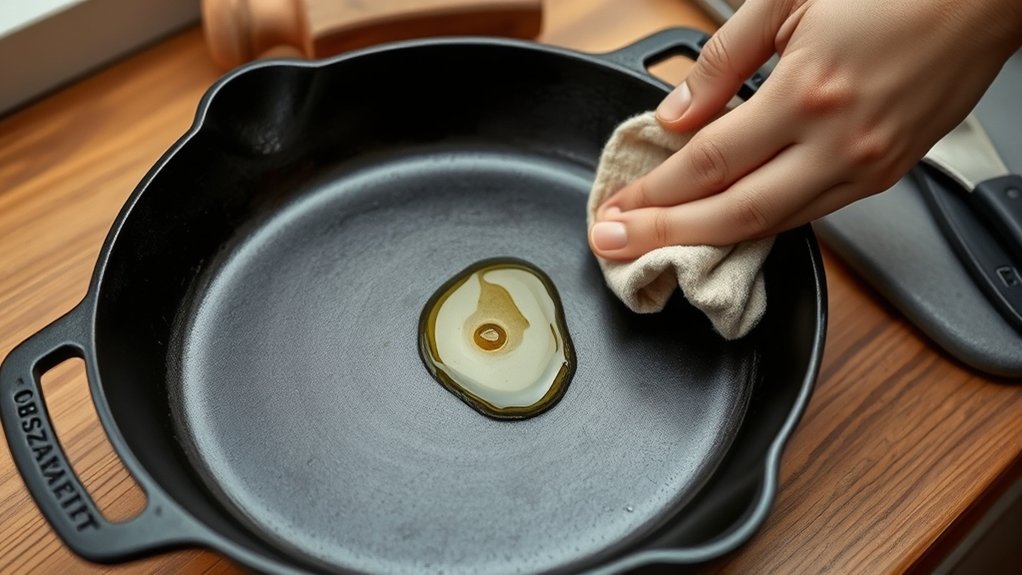
To get the best performance from your cast iron cookware, you’ll need to season it before the first use. Start by washing your skillet with warm water and mild soap to remove factory residue. Dry it completely with a towel, then heat it on the stove to evaporate any remaining moisture.
Next, apply a thin, even layer of vegetable oil or melted shortening all over the cookware, including the handle and exterior. Place it upside down in a preheated oven at 450°F (230°C) with a baking sheet underneath to catch drips. Bake for one hour, then turn the oven off and let the pan cool inside.
This process creates a natural, non-stick surface that improves with each use and proper maintenance.
Best Cooking Techniques For Cast Iron Cookware
To get the most from your cast iron, you’ll want to master seasoning and proper maintenance. Controlling heat is key to cooking evenly and preserving your pan’s surface.
Let’s explore how these techniques make your cast iron cookware perform at its best.
Seasoning And Maintenance
Why does seasoning matter so much for your cast iron cookware? Seasoning creates a natural, non-stick surface and protects your pan from rust. It’s essential to keep your cookware performing well and lasting for years.
To season your cast iron, apply a thin layer of oil and bake it at a high temperature. Regular maintenance ensures your pan stays in top shape and improves its cooking surface.
Here’s how to maintain your cast iron cookware effectively:
- Clean with hot water and a stiff brush, avoiding soap.
- Dry thoroughly to prevent rust.
- Apply a light coat of oil after each use.
- Store in a dry place, preferably with a paper towel inside to absorb moisture.
Stick to these tips, and your cast iron will serve you well!
Heat Control Tips
Proper seasoning sets the stage for excellent cooking, but managing heat correctly brings out the best in your cast iron cookware. Start by preheating your pan slowly over medium or low heat to avoid hot spots and warping. Cast iron retains heat well, so once it’s hot, you can lower the temperature to maintain steady cooking.
Avoid sudden temperature changes, like placing a cold pan on high heat or rinsing a hot pan with cold water, which can cause cracking. Use medium to medium-low heat for most dishes; high heat can burn food and damage seasoning. If you’re searing, preheat longer but watch closely.
Adjust heat gradually, and you’ll enjoy even cooking and long-lasting performance from your cast iron.
Tips For Using Cast Iron Cookware On Different Heat Sources
Although cast iron cookware is known for its versatility, you need to approach different heat sources with care to get the best performance. Each heat source transfers heat differently, so understanding how to use your cast iron properly will prolong its life and improve cooking results.
- On gas stoves, preheat your pan slowly to avoid hotspots and warping.
- Electric cooktops require patience—give the pan time to heat evenly before adding food.
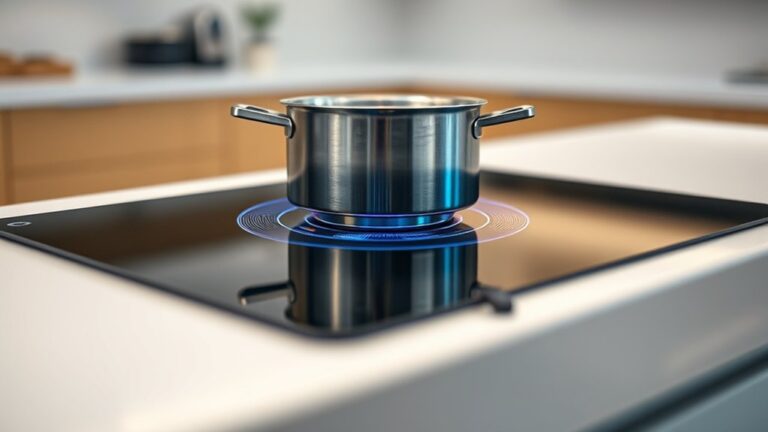
- For induction cooktops, ensure your cast iron has a flat bottom for full contact.
- When using cast iron on an open flame or campfire, control the heat by adjusting the distance from the flames to prevent burning.
The Best Ways To Clean Cast Iron Cookware
Since cast iron cookware requires special care, cleaning it the right way is essential to maintain its seasoning and prevent rust. After cooking, let your pan cool slightly, then rinse it with warm water. Avoid soap whenever possible, as it can strip the seasoning.
Use a stiff brush or non-metal scrubber to remove stuck-on food. For stubborn residue, sprinkle coarse salt inside the pan and scrub gently. Dry your cookware thoroughly with a towel immediately after washing to stop moisture from lingering.
If needed, heat it briefly on the stove to evaporate any remaining water. Finally, apply a thin layer of oil to the surface while it’s still warm to keep the seasoning strong. Following these steps will keep your cast iron performing beautifully.
Preventing Rust And Damage On Cast Iron Cookware
After cleaning and seasoning your cast iron cookware, you’ll want to take steps to prevent rust and damage that can shorten its lifespan. Cast iron is durable but vulnerable to moisture and rough handling, so protecting it is key.
Protect your cast iron cookware from rust and damage to ensure it lasts for years.
Here’s how you can keep your cookware in top shape:
- Dry it thoroughly after each wash to avoid rust.
- Apply a thin layer of oil to the surface while it’s still warm.
- Avoid soaking or leaving it in water for extended periods.
- Use wooden or silicone utensils to prevent scratching the seasoning.
How To Store Cast Iron Cookware Properly
When you store cast iron cookware properly, you protect its seasoning and prevent moisture buildup that leads to rust. Always make sure your cookware is completely dry before storing it. If you stack pans, place a paper towel or cloth between them to absorb any residual moisture and avoid scratches.
Store your cast iron in a dry place with good air circulation, avoiding damp cabinets or basements. Hanging your pans is a great option that keeps them dry and readily accessible. If you use lids, store them separately or leave them slightly ajar to prevent trapped moisture.
Taking these simple steps helps maintain your cast iron’s performance and extends its lifespan, so your cookware stays ready for your next cooking adventure.
When And How To Re-Season Cast Iron Cookware
Proper storage helps protect your cast iron’s seasoning, but over time, even the best care won’t keep it perfect. You’ll know it’s time to re-season when food starts sticking or you notice dull spots and rust.
Proper storage preserves seasoning, but re-season when food sticks or you see dull spots and rust.
To re-season your cast iron, follow these steps:
- Clean the pan thoroughly with hot water and a stiff brush, avoiding soap.
- Dry it completely, then apply a thin, even layer of vegetable oil or flaxseed oil all over the surface.
- Place the pan upside down in an oven preheated to 450°F (230°C), putting foil underneath to catch drips.
- Bake for one hour, then turn off the oven and let the pan cool inside.
This process restores the protective layer and improves your pan’s performance.
Frequently Asked Questions
Can Cast Iron Cookware Be Used for Baking Desserts?
Yes, you can use cast iron cookware for baking desserts. It heats evenly and retains heat well, making it perfect for pies, cobblers, and brownies. Just preheat properly and grease it to prevent sticking.
Is Cast Iron Cookware Safe for Acidic Foods?
Yes, you can use cast iron cookware for acidic foods, but don’t cook them too long.
Acid can break down the seasoning, causing a metallic taste and damaging the surface, so short cooking times work best.
How Heavy Is Cast Iron Cookware Compared to Other Types?
Cast iron cookware feels as heavy as a brick compared to aluminum or stainless steel. You’ll notice its weight, which helps with heat retention but requires some muscle when lifting or moving it around your kitchen.
Can You Use Metal Utensils on Cast Iron Pans?
You can use metal utensils on cast iron pans without worrying about damage because their seasoning protects the surface. Just avoid scraping too hard, and regularly maintain the seasoning to keep your pan nonstick and durable.
Does Cast Iron Cookware Improve With Age?
Yes, your cast iron cookware can improve with age! Studies show well-seasoned cast iron pans develop a natural non-stick surface over time, enhancing flavor and durability.
Just keep seasoning and caring for it regularly.
Conclusion
Cast iron cookware is your kitchen’s trusty sidekick, ready to deliver delicious meals with a little care. By seasoning it well and using the right techniques, you’ll reveal its full potential. Remember, cleaning and storing it properly keeps it singing like new.
With every use, your cast iron only gets better—like fine wine, it improves over time. Embrace the journey, and your skillet will become your favorite cooking companion for years to come. Proper maintenance and seasoning are key to enjoying the full benefits of cast iron cookware.
In conclusion, using cast iron cookware enhances your cooking experience by providing durability, excellent heat retention, and versatility. By following care tips and seasoning techniques, you ensure your cast iron skillet remains a reliable and beloved kitchen tool.