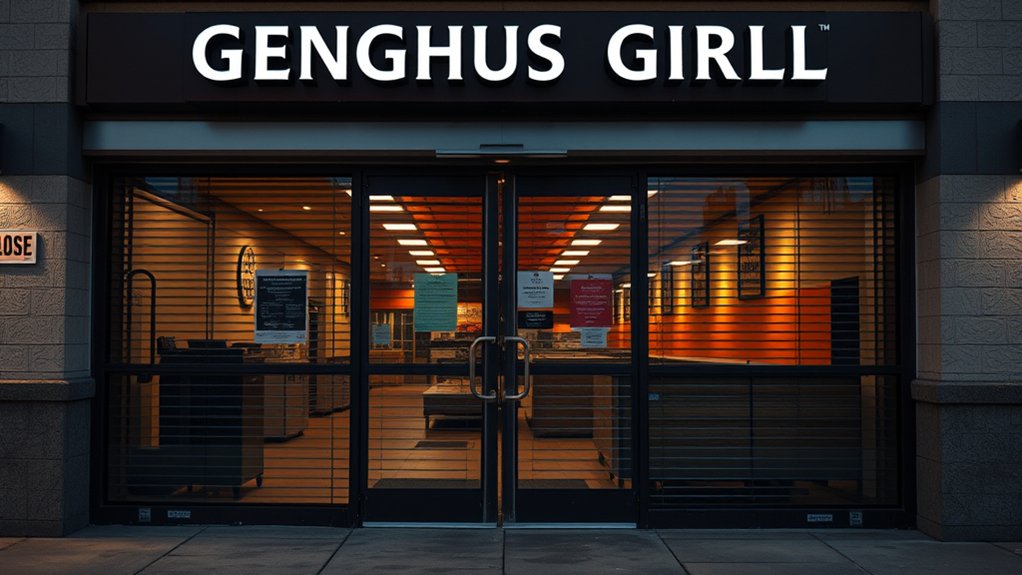
Why Did Genghis Grill Close?
You’re seeing Genghis Grill close because it couldn’t keep up with changing tastes for healthier, fresher options. The brand struggled to compete with popular fast-casual chains like Chipotle that emphasize quality ingredients and customization. This shift in consumer preferences played a major role in its decline.
Operational challenges such as rising costs and inconsistent customer experiences further hurt its appeal. Delivery delays and weak digital ordering systems made it difficult to retain loyal customers.
Additionally, franchise conflicts and problematic location choices compounded the company’s difficulties.
If you want to understand everything that led to Genghis Grill’s decline and explore viable alternatives, there’s more to uncover about the evolving fast-casual market landscape.
Key Takeaways
- Genghis Grill faced declining customer interest due to menu perceived as less healthy and limited nutritional customization. Increased competition from rivals like Chipotle and Panda Express eroded its market share and growth potential.
- Operational challenges, including inconsistent staff training and supply chain issues, hindered efficient scaling and service quality. Rising food and labor costs forced price increases and reduced staff hours, impacting customer experience and profitability.
- Poor location choices and weakening marketing efforts led to reduced foot traffic and diminished brand relevance.
What Made Genghis Grill Popular at First
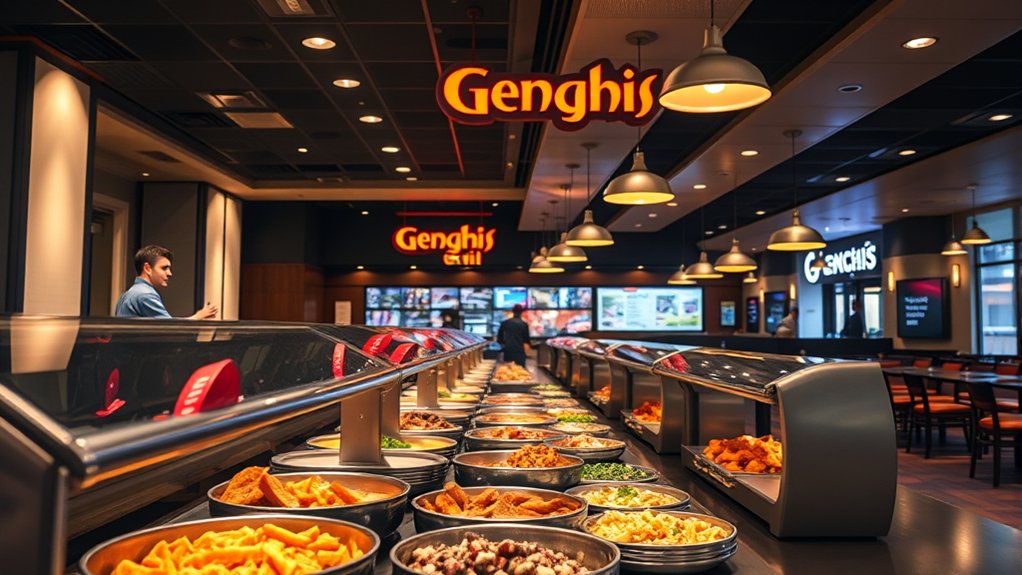
Although Genghis Grill eventually closed, it first gained popularity because it offered a unique, interactive dining experience. You could customize your meal by choosing fresh ingredients from a vibrant selection, then watch as your food was cooked right in front of you on a large, open grill. This hands-on approach made dining fun and personalized, giving you control over flavors and portion sizes.
The fast-casual setup appealed to busy people who wanted quality food without long waits. Plus, the social atmosphere encouraged sharing and experimenting with bold, global-inspired flavors. You didn’t just eat; you got involved in the process, which set Genghis Grill apart from traditional restaurants and made it a favorite spot for groups and families seeking a lively, engaging meal.
How Changing Consumer Preferences Hurt the Brand
You’ve probably noticed how more people want healthier meals these days, and Genghis Grill didn’t quite keep up with that shift. Fast-casual spots offering fresh, quick options started to steal the spotlight.
This change in what customers expect made it harder for the brand to stay relevant.
Shift Toward Healthier Options
As consumers increasingly seek healthier dining options, Genghis Grill struggled to keep up with evolving tastes. You might have noticed a shift in how people prioritize fresh, nutrient-dense ingredients over indulgent meals. Genghis Grill’s menu, heavy on sauces and carbs, didn’t resonate with those aiming for clean eating.
When you prefer a lighter, balanced meal, the brand’s offerings felt limiting. This misalignment led many to explore alternatives with clearer health benefits. Here’s a quick comparison of consumer preferences versus Genghis Grill’s menu features:
| Consumer Preference | Genghis Grill Offering | Impact on Brand |
|---|---|---|
| Fresh, whole ingredients | Processed sauces & toppings | Perceived as less healthy |
| Low-calorie meals | High-calorie options | Deterrent for health-focused |
| Customizable nutrition | Limited customization | Reduced appeal |
| Transparent ingredient info | Minimal nutritional details | Lower consumer trust |
Rise of Fast-Casual Trends
Changing consumer preferences didn’t stop at healthier choices; they also embraced the fast-casual dining experience. You wanted quick, customizable meals without sacrificing quality or ambiance. Fast-casual spots offered exactly that—fresh ingredients, speedy service, and a modern vibe.
Unfortunately, Genghis Grill struggled to keep up with these evolving demands. Its assembly-line style felt less innovative as competitors introduced more engaging, tech-savvy ordering systems and diverse menu options. Plus, you expected more than just a stir-fry concept; you craved variety and convenience that fit your busy lifestyle.
As fast-casual brands refined their approach, Genghis Grill’s appeal faded. When you had plenty of alternatives delivering what you wanted faster and fresher, sticking with the old model just didn’t make sense anymore.
The Role of Competition in Genghis Grill’s Decline
Although Genghis Grill once thrived in the fast-casual dining market, increasing competition steadily eroded its customer base. You saw many new entrants offering similar customizable and quick dining experiences, making it harder for Genghis Grill to stand out. Competitors often provided fresher menus or better pricing, pulling customers away.
When you compare features, Genghis Grill struggled to keep pace with evolving consumer preferences.
| Competitor | Strengths |
|---|---|
| Chipotle | Strong brand loyalty |
| Panda Express | Wide menu variety |
| QDOBA | Competitive pricing |
You likely noticed that these rivals captured more market share, limiting Genghis Grill’s growth and contributing to its decline.
How Digital Ordering and Delivery Trends Affected Genghis Grill
You’ve probably noticed how online ordering and delivery apps changed the way people eat out. Genghis Grill struggled to keep up as more customers chose convenience over dining in.
Let’s explore how these trends affected their business.
Rise of Online Ordering
As digital ordering and delivery services surged in popularity, Genghis Grill struggled to adapt quickly enough to meet customer expectations. You likely noticed that their online menu was limited and the ordering process wasn’t as smooth as competitors’. This left many customers feeling frustrated and looking elsewhere.
Here’s why the rise of online ordering hit them hard:
- You wanted fast, easy access to customize and order meals digitally, but Genghis Grill’s system lagged behind.
- You expected real-time updates and seamless payment options, which they failed to provide consistently.
- You craved convenience, but the lack of a robust digital presence made you turn to brands that embraced tech smarter and faster.
This gap in digital evolution profoundly contributed to their decline.
Impact of Delivery Apps
The shortcomings in Genghis Grill’s online ordering set the stage for bigger challenges when delivery apps took over the food scene. You relied heavily on in-restaurant experiences, and your digital platform wasn’t optimized for seamless delivery integration. As apps like Uber Eats and DoorDash grew, customers expected quick, convenient access to their favorite meals.
Unfortunately, delays and order inaccuracies became common, frustrating loyal patrons. You missed opportunities to partner effectively with these platforms, losing ground to competitors who streamlined delivery options. Plus, higher commission fees cut into your profits, making it harder to sustain operations.
If you’d adapted faster to the delivery-driven market, focusing on precision and speed, you might have retained more customers and stayed competitive amid shifting dining habits.
Shift in Dining Preferences
How did changing dining preferences reshape Genghis Grill’s market position? You’ve likely noticed how digital ordering and delivery trends have transformed how we eat. Genghis Grill’s interactive, in-person dining experience struggled to keep up as customers sought more convenience.
Consider these key shifts:
- Speed over experience: You want quick meals without waiting, but Genghis Grill’s build-your-own bowls took time and interaction.
- Mobile ordering dominance: You prefer ordering from your phone, yet Genghis Grill’s digital presence lagged behind competitors.
- Home dining surge: Comfort and safety at home became priorities, reducing visits to dine-in-focused spots.
These shifts left Genghis Grill less relevant, unable to match evolving expectations. Adapting to digital convenience wasn’t just smart—it was necessary to survive.
Operational Challenges That Stalled Growth
Although many customers enjoyed Genghis Grill’s unique dining experience, the company faced significant operational challenges that hindered its growth. You’d notice that managing a fast-casual concept with customizable meals demanded efficient kitchen workflows and consistent quality control. However, Genghis Grill struggled to maintain this balance across its expanding locations.
You’d also find that staff training was inconsistent, leading to varied customer experiences. Supply chain complexities added another layer of difficulty, as sourcing fresh ingredients for a build-your-own meal format required precise coordination. When you factor in these operational hurdles, it’s clear why scaling the business became problematic.
These challenges slowed expansion efforts and made it tough for Genghis Grill to keep up with competitors who streamlined their operations more effectively.
How Rising Food and Labor Costs Impacted Operations
Operational struggles weren’t the only obstacles Genghis Grill faced; rising food and labor costs also put significant pressure on its business model. You can imagine trying to keep prices reasonable while paying more for fresh ingredients and staff wages. These increasing expenses forced tough decisions that disrupted daily operations and growth plans.
Here’s how these costs impacted Genghis Grill:
- Menu prices rose, risking customer loss to cheaper alternatives.
- Staff hours were cut, leading to slower service and lower morale.
- Profit margins shrank, making it harder to invest in marketing or improvements.
If you were running the business, balancing quality and affordability would feel like walking a tightrope without a safety net—ultimately, these financial pressures became too heavy to bear.
What Customer Feedback Revealed About the Experience
You’ve probably noticed that customers often mentioned slow service and inconsistent flavors when talking about their visits. They also pointed out issues with the restaurant’s ambiance and cleanliness.
These concerns played a big role in shaping the overall experience.
Service Speed Concerns
When you visited Genghis Grill, you likely noticed the wait times often stretched longer than expected. Customers frequently expressed frustration with slow service, which overshadowed the dining experience. Here’s what stood out:
- Long waits during peak hours made it tough to enjoy a quick meal.
- Inconsistent speed left you unsure if your order would arrive promptly.
- Delays often caused overcrowding, creating an uncomfortable atmosphere.
These service speed concerns made it hard for Genghis Grill to keep customers satisfied and returning. You want fast, efficient service without sacrificing quality, but the slow pace disrupted that balance. Unfortunately, this contributed considerably to the restaurant’s decline, as many diners chose faster alternatives that respected their time and expectations.
Flavor Consistency Issues
Although Genghis Grill aimed to deliver bold, customizable flavors, customers often found the taste varied from visit to visit. You might have noticed that sometimes your meal was perfectly seasoned, while other times it felt bland or overly salty. This inconsistency frustrated many diners, making it hard to trust that their favorite dishes would taste the same each time.
Customer feedback frequently mentioned that the sauces and marinades lacked uniformity, which undermined the overall experience. Since the restaurant relied heavily on personalization, these flavor fluctuations hit especially hard. When you can’t count on consistent quality, it diminishes the appeal of returning.
Ultimately, these flavor consistency issues contributed to a decline in repeat business, playing a key role in why Genghis Grill struggled to maintain its customer base.
Ambiance And Cleanliness
Even if the food met your expectations, the ambiance and cleanliness often left much to be desired. You might have noticed sticky tables, dim lighting that felt more gloomy than cozy, and restrooms that weren’t up to standard. These issues impacted your overall experience more than you’d expect.
Customers frequently pointed out:
- Lingering odors that made the space uncomfortable.
- Messy dining areas that made it hard to relax.
- Staff not promptly cleaning up spills or resetting tables.
When you visit a restaurant, comfort matters just as much as taste. Genghis Grill’s failure to maintain a welcoming, clean environment created a disconnect. It’s hard to enjoy your meal fully when the setting feels neglected, and that feedback played a role in the chain’s decline.
How Location Choices Reduced Foot Traffic
Because many Genghis Grill locations were tucked away in less visible spots, they struggled to attract consistent foot traffic. When you pick a restaurant location that’s hard to find or off the beaten path, customers won’t drop in spontaneously. You rely heavily on regulars and planned visits, but that’s not enough to sustain growth.
You might have noticed that some Genghis Grill spots were inside strip malls or behind other businesses, which limited walk-in visibility. Plus, if parking was inconvenient or entrances were unclear, you’d hesitate to stop by yourself. Location matters because it shapes how easily people can discover and access your restaurant.
Unfortunately, Genghis Grill’s choices often put it out of sight and out of mind, reducing the steady flow of customers it needed to thrive.
Why Genghis Grill’s Marketing Lost Its Edge
When you don’t adapt your marketing to changing trends, your message quickly becomes stale. Genghis Grill failed to keep up with evolving customer preferences and digital marketing strategies, causing its brand to lose relevance. You might notice how:
- Social media engagement dropped as content felt repetitive and uninspired, making customers scroll past without a second thought.
- Competitors embraced personalized campaigns and influencer partnerships, while Genghis Grill stuck to outdated promotions that didn’t resonate.
- The lack of fresh storytelling and emotional connection left the audience disconnected, reducing repeat visits and word-of-mouth buzz.
If you want your brand to thrive, you need to innovate your marketing continuously. Genghis Grill’s failure to do so weakened its appeal, ultimately contributing to its closure.
Franchise Conflicts and Their Role in the Closure
Although franchise conflicts often remain behind the scenes, they played a significant role in Genghis Grill’s downfall. If you look closely, disagreements between corporate leadership and franchisees created tension that impacted operations and customer experience. Franchisees struggled with inconsistent support and unclear communication from the corporate office, which left many feeling frustrated and unsupported.
You’d see this strain reflected in uneven quality across locations, damaging the brand’s reputation. Additionally, conflicting priorities on menu changes and marketing strategies led to confusion and slowed decision-making. When franchisees and corporate don’t align, you end up with weakened unity and less effective execution.
For Genghis Grill, these internal battles made it difficult to adapt and grow, accelerating the chain’s decline and eventual closure.
Lessons Other Restaurants Can Learn From Genghis Grill
Even successful restaurant chains face challenges that can teach you valuable lessons. Genghis Grill’s closure reminds you that thriving isn’t guaranteed, no matter how popular you become.
Here are three key takeaways for your restaurant journey:
- Prioritize consistent quality: Customers crave dependable experiences. Don’t let quality slip, or loyal patrons may walk away.
- Maintain strong franchise relationships: Clear communication and aligned goals prevent conflicts that can damage your brand.
- Adapt to evolving tastes: Keep innovating your menu and service to stay relevant in a competitive market.
What the Closure Means for Fans of Customizable Stir-Fry
Since Genghis Grill offered a unique, hands-on dining experience, its closure leaves fans of customizable stir-fry searching for new options. You might feel disappointed, especially if you enjoyed crafting your own meals with fresh ingredients and bold flavors. Losing this spot means you’ll miss the control and creativity you had over your stir-fry combinations.
It also means fewer places where you can quickly grab a personalized, healthy meal in a casual setting. You may need to adjust your dining habits or explore other cuisines while you find a new go-to. Ultimately, the closure challenges you to rethink how and where you satisfy your craving for fresh, made-to-order stir-fry dishes that put you in the chef’s seat.
Alternatives for Fans of Build-Your-Own Stir-Fry Dining
If you loved building your own stir-fry at Genghis Grill, don’t worry—you still have great options to explore. You can keep enjoying customizable meals that let you pick your favorite ingredients and sauces.
Here are three alternatives worth trying:
- Stir Crazy – Offers a similar build-your-own concept with a variety of proteins, fresh veggies, and flavorful sauces to craft your perfect bowl.
- Mongolian BBQ – Focuses on grilling your chosen ingredients right in front of you, adding a fun, interactive twist to your meal.
- Pei Wei Asian Diner – While not fully customizable, Pei Wei lets you mix and match different Asian-inspired dishes with customizable spice levels and add-ons.
These spots keep the spirit of Genghis Grill alive, so you won’t miss out on your stir-fry fix.
Frequently Asked Questions
Who Founded Genghis Grill and When Did It Start?
You’ll want to know Genghis Grill was founded by Jeff Sinelli and Kevin Belyea in 1998. They started it to offer a fresh, interactive Mongolian grill experience where you customize your own stir-fry bowl.
The concept allows guests to choose from a variety of ingredients and sauces, creating their own unique meals. This approach made dining more engaging and personalized. It quickly gained popularity for its fun and fast-casual style.
What Was the Original Concept Behind Genghis Grill?
Imagine dialing up a food delivery app in the 90s—Genghis Grill’s original concept lets you customize your stir-fry bowl, choosing fresh ingredients and sauces, then watch chefs cook it right in front of you.
Did Genghis Grill Offer Any Loyalty or Rewards Programs?
Yes, you could join Genghis Grill’s loyalty program to earn points with every purchase. They made it easy for you to redeem rewards, get exclusive deals, and enjoy special offers whenever you visited.
Were There Any Signature Dishes Unique to Genghis Grill?
Yes, you’d find signature dishes like the Mongolian Stir Fry, where you pick your own proteins, veggies, and sauces. Their customizable grill experience made each meal unique and flavorful, tailored exactly to what you wanted.
How Many Genghis Grill Locations Were Open at Its Peak?
At its peak, Genghis Grill proudly presented over 70 playful, popular places across the country. You could find flavorful, fresh bowls crafted just for you in numerous neighborhoods, making your meal memorable and your experience exciting.
Conclusion
So, if you’re mourning Genghis Grill’s closure, don’t worry—you can still build your own stir-fry masterpiece at home, just like a culinary wizard without the wait. Maybe next time, restaurants will keep up with trends instead of serving nostalgia on a lukewarm platter.
Until then, sharpen those chopsticks and remember: in the fast-food jungle, only the savviest survive. Bon appétit, stir-fry survivors!
To truly understand why Genghis Grill closed, it’s essential to consider market competition, changing consumer preferences, and the importance of innovation. Staying relevant in the fast-casual dining industry means adapting to trends and evolving customer tastes. So, keep these factors in mind when you recreate your favorite stir-fry dishes at home.