7 Prices for How Much a Gas Grill Propane Tank Costs in 2027
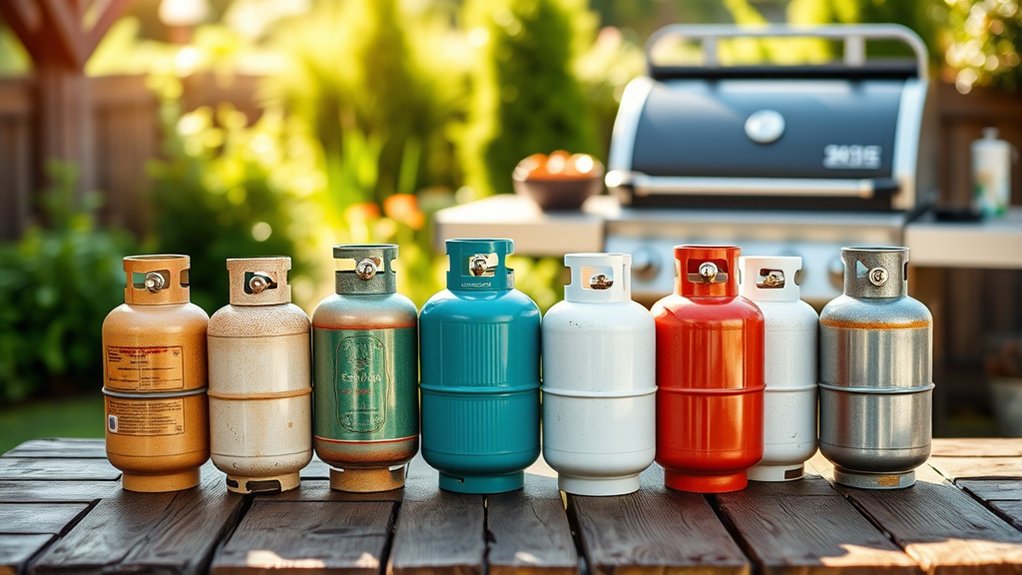
In 2027, understanding how much a gas grill propane tank costs is essential for budgeting your outdoor cooking needs. A standard 20-pound propane tank typically costs between $30 and $50, with refills priced around $15 to $25. These prices can fluctuate based on region, season, and whether you opt to buy or rent your tank.
Larger propane tanks, such as 30- and 40-pound sizes, generally range from $90 to $160 depending on your usage requirements. Being aware of these pricing details helps you make informed decisions.
Keep exploring to uncover tips on saving money, regional price differences, and smart ways to manage propane tank expenses in 2027.
Key Takeaways
- Standard 20-pound propane tanks in 2027 typically cost between $30 and $50, with refills priced around $15 to $25.
- Larger 30-pound tanks range from $90 to $130, while 40-pound tanks cost between $120 and $160.
- Seasonal demand, regional taxes, and safety inspections influence propane tank prices and refill costs.
- Renting tanks has lower upfront costs but ongoing fees; buying saves money long-term for frequent grillers.
- Prices vary by region, with lower costs in propane-rich states and higher prices in coastal areas like California.
Standard 20-Pound Propane Tank Costs in 2027
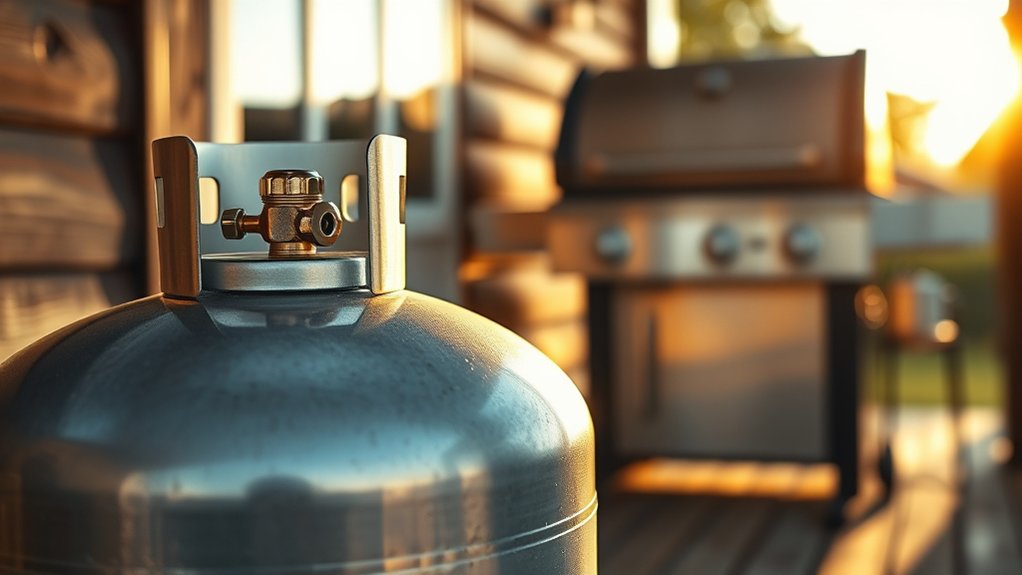
While prices can vary by region, you’ll typically find that a standard 20-pound propane tank costs between $30 and $50 in 2027. This price range reflects factors like local demand, supplier competition, and regional taxes. If you’re new to grilling, this size is the most common and convenient because it fits most gas grills and balances portability with fuel capacity.
You’ll pay a bit more if you’re buying a new tank, but refilling your existing one usually costs less—around $15 to $25 depending on where you live. Keep in mind, safety inspections or exchange fees might add to your final cost. Staying aware of these typical prices helps you budget effectively and avoid surprises when it’s time to fire up your grill.
Pricing for Larger Propane Tanks: 30- and 40-Pound Sizes
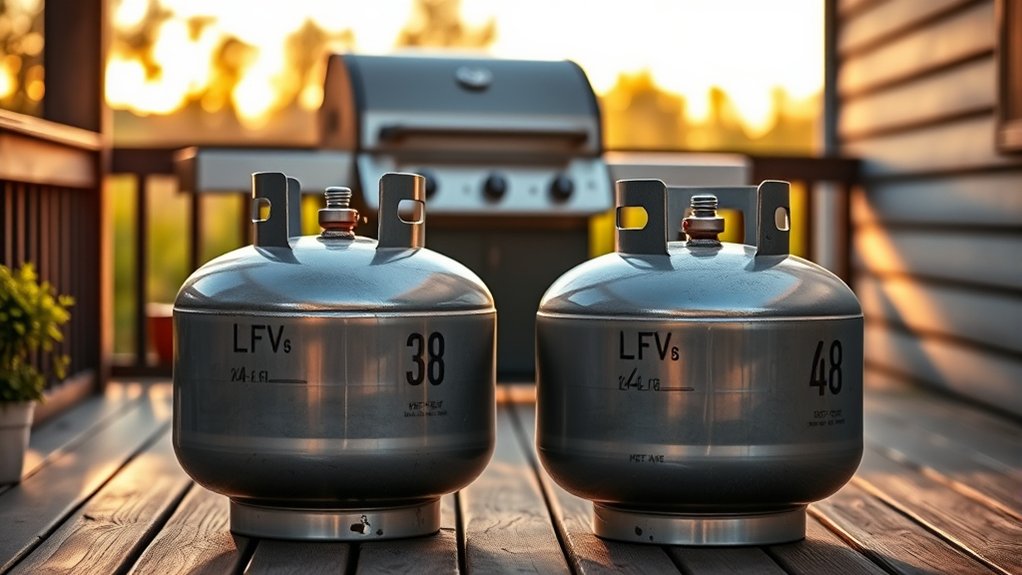
If you find that a 20-pound propane tank doesn’t meet your grilling needs, larger options like 30- and 40-pound tanks offer more fuel capacity and longer cooking times. In 2027, expect to pay around $90 to $130 for a new 30-pound tank, depending on the brand and retailer. For the 40-pound size, prices generally range from $120 to $160.
These tanks provide a convenient solution if you often grill for large groups or want fewer refills. Keep in mind that while the upfront cost is higher, the extended cooking time can save you trips to refill stations. Make sure to compare prices and check for any local regulations or safety certifications before purchasing larger tanks.
Key Factors Driving Propane Tank Costs: Demand, Fees, and Refills

You’ll notice propane tank prices fluctuate based on demand trends and regulatory fees that suppliers must cover. Plus, refill costs can vary widely depending on location and market conditions.
Understanding these factors will help you anticipate what you’ll pay in 2027.
Propane Demand Trends
Because propane demand fluctuates with seasonal changes and consumer habits, it directly impacts the costs you pay for propane tanks. When demand rises, prices tend to increase, affecting how much you’ll spend to fill or buy a tank. You’ll notice higher prices during colder months when heating needs spike or in summer when outdoor grilling peaks.
Understanding these patterns helps you plan your purchases better.
Key factors influencing propane demand include:
- Seasonal weather shifts causing heating or grilling surges
- Economic conditions affecting consumer spending on propane appliances
- Regional differences in propane usage and availability
Regulatory Fees Impact
Although demand plays a major role in propane tank costs, regulatory fees also considerably affect the price you pay. You’ll find that safety inspections, environmental regulations, and certification requirements add mandatory fees to propane tanks. These fees guarantee tanks meet strict standards to prevent leaks and accidents, but they raise your overall cost.
Additionally, states and local governments may impose specific taxes or compliance charges, which vary depending on where you live. When new regulations roll out, manufacturers and suppliers often pass those costs down to you. So, even if demand stays steady, expect fees tied to regulatory compliance to influence how much you pay for a propane tank.
Staying aware of these fees helps you understand price shifts beyond just market supply and demand.
Refill Price Variations
When you refill your propane tank, the price can vary considerably based on several factors. You’ll notice fluctuations depending on local demand, seasonal changes, and the refill station you choose. For example, during grilling season, prices often spike because more people need propane.
Also, some locations add environmental or safety fees that increase costs. Finally, refill methods can affect the price—some places offer quick exchanges, while others fill on-site, which might be cheaper or costlier.
Here are key factors influencing refill price variations:
- Local demand and seasonal trends: Higher usage drives prices up.
- Additional fees: Environmental or safety charges can add to the cost.
- Refill method: Exchange vs. on-site filling impacts price differences.
Renting vs Buying a Propane Tank: Which Costs Less?
Deciding whether to rent or buy a propane tank can substantially impact your overall grilling expenses. If you grill frequently, buying a tank usually saves you money over time since you avoid recurring rental fees. While the upfront cost is higher, you own the tank and only pay for refills.
Renting, on the other hand, requires lower initial costs but adds rental fees that accumulate quickly. It’s convenient if you rarely grill or want to avoid maintenance responsibilities. However, rental tanks might come with restrictions, and you’ll never stop paying rent as long as you use the tank.
Ultimately, if you grill often and want long-term savings, buying is the better financial choice. If you grill occasionally and prefer hassle-free use, renting may suit you better.
Where to Buy Propane Tanks: Retailers vs Online Prices
Where can you find the best deals on propane tanks: at physical retailers or online? Both options have pros and cons depending on your priorities. Shopping in-store lets you inspect tanks firsthand, get immediate answers, and avoid shipping fees.
Finding the best propane tank deals depends on your priorities: in-store inspection or online convenience.
Online retailers often offer lower prices and convenient delivery, but you might deal with waiting times or extra shipping costs.
Consider these factors when choosing where to buy:
- Price comparison: Online prices can be lower, but watch for shipping fees.
- Immediate availability: Stores provide instant purchase and pickup.
- Customer support: In-person help can clarify safety and usage concerns.
Ultimately, weigh convenience, cost, and your comfort level with buying tanks without seeing them first.
Regional Propane Tank Price Differences Across the U.S
Because propane tank prices vary widely across the U.S., knowing regional differences can help you save money. In states like Texas and Oklahoma, where propane production is high, you’ll often find tanks priced lower due to local supply abundance. Conversely, coastal states such as California and New York tend to have higher costs, influenced by stricter regulations and transportation expenses.
If you live in rural areas of the Midwest or Mountain West, prices might fluctuate seasonally, rising during colder months when demand spikes. Urban centers generally add convenience fees, so consider buying in suburban or less populated areas if possible. By understanding these regional trends, you can plan your purchases more strategically and avoid unexpectedly high costs when replacing or refilling your propane tank.
Budget Tips for Propane Tanks and Refills in 2027
You can save money by choosing the right propane tank size that fits your grilling needs without overspending. Always compare refill prices at different suppliers to find the best deal near you.
Plus, practicing safe storage doesn’t have to be costly if you use simple, budget-friendly tips.
Choosing Affordable Tank Sizes
How can you make the most of your propane budget in 2027? Choosing the right tank size plays a huge role. Smaller tanks cost less upfront but need frequent refills, while larger tanks offer better value per gallon but require a bigger initial investment.
To balance cost and convenience, consider how often you grill and your storage space.
Here are some tips to pick an affordable tank size:
- Match tank capacity to your usage frequency to avoid overpaying or running out quickly.
- Factor in storage limitations to ensure safety and accessibility.
- Calculate the cost per gallon from different tank sizes to spot the best deal.
Smart choices here save you money and hassle throughout grilling season.
Comparing Refill Prices
Once you choose the right tank size, keeping refill costs low becomes the next priority. You’ll find prices vary depending on where you refill—big-box stores, local hardware shops, or specialized propane dealers all offer different rates. Swapping your empty tank for a pre-filled one is often cheaper and quicker than a direct refill but check for hidden fees.
Also, some places offer discounts if you bring your own tank regularly. Comparing prices online before heading out can save you money, especially during peak grilling seasons. Remember, quality matters too—opt for reliable providers to avoid safety risks.
Safe Storage Cost Tips
Although propane tanks are essential for your grill, storing them safely doesn’t have to break the bank. You can protect your investment and comply with safety guidelines without overspending. Start by choosing a well-ventilated, shaded spot outdoors to avoid heat buildup, which can be done without costly modifications.
Using a simple, sturdy storage cage or locker designed for propane tanks keeps them secure and is often affordable. Regularly inspecting your tank for leaks or damage helps you avoid expensive repairs later.
Here are some budget-friendly storage tips:
- Opt for weather-resistant, low-cost storage solutions like metal cages or plastic lockers
- Store tanks upright on a stable, flat surface to prevent tipping
- Keep tanks away from flammable materials and direct sunlight to extend their lifespan
Frequently Asked Questions
How Do I Safely Transport a Propane Tank?
You should keep the propane tank upright, secure it to prevent tipping, and avoid leaving it inside a hot car.
Make sure the valve is tightly closed and transport it in a well-ventilated area for safety.
What Maintenance Does a Propane Tank Require?
You should regularly check for leaks, keep the tank clean, and store it upright in a well-ventilated area.
Don’t expose it to extreme heat or corrosive elements, and have it inspected by a professional annually.
Are There Any Environmental Regulations for Propane Tanks?
Yes, you must follow environmental regulations for propane tanks, like proper storage, handling, and disposal to prevent leaks and contamination. Local laws may require inspections and certifications, so stay informed to keep your tank safe and compliant.
How Long Does a Propane Tank Typically Last?
You can expect a propane tank to last about 10 to 15 years with proper care.
Make sure you inspect it regularly for rust or damage, and replace it if it fails safety checks.
Can I Use Propane Tanks for Appliances Other Than Grills?
Yes, you can use propane tanks for other appliances like heaters, stoves, and generators. Just make sure the tank’s size and pressure meet the appliance requirements, and always follow safety guidelines when connecting and using propane.
Conclusion
When it comes to propane tanks in 2027, knowing your options can save you a bundle. Whether you’re buying or renting, understanding prices across sizes and regions helps you make smart choices. Think of it like tuning a grill—you want the perfect balance for the best results.
Keep an eye on fees and refills, shop around, and use budget tips to keep your grilling costs low and your summer nights sizzling. By staying informed about how much a gas grill propane tank costs, you can enjoy efficient grilling without breaking the bank. Smart decisions today lead to better savings tomorrow.