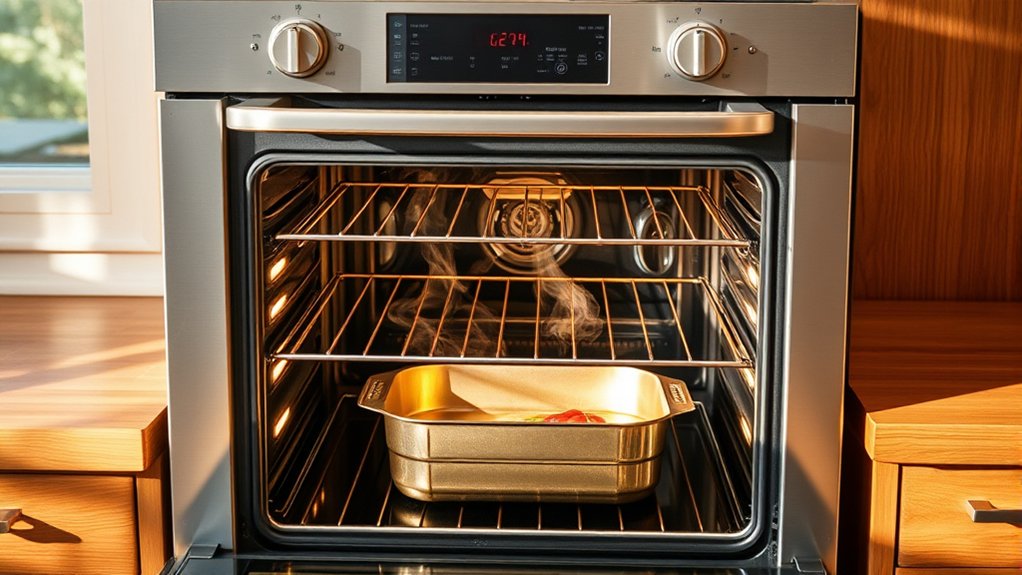
How Does a Range Oven Work?
A range oven is a versatile kitchen appliance that combines burners on top with an oven below, making it ideal for saving space and streamlining your cooking process. Whether you use gas flames or electric elements, the range oven generates heat for boiling, frying, baking, or roasting.
This efficient design allows you to prepare a variety of meals using just one appliance.
Heat circulates through convection, conduction, and radiation, ensuring your food cooks evenly and thoroughly. Thermostats and sensors work together to maintain steady temperatures for consistent results.
Safety features are also built in to protect your kitchen from potential accidents.
Keep exploring to uncover how controls, features, and troubleshooting tips can enhance your cooking experience with a range oven.
Key Takeaways
- A range oven integrates stovetop burners and an oven compartment to enable multiple cooking methods in one appliance.
- Heat is generated by gas flames or electric elements beneath cookware and within the oven chamber.
- Heat moves inside by convection, conduction, and radiation to cook food evenly and thoroughly.
- Thermostats and sensors regulate temperature by cycling heating elements on and off for consistent heat.
- Safety features like automatic shutoff and flame failure protection prevent accidents during operation.
What a Range Oven Is and How It Works
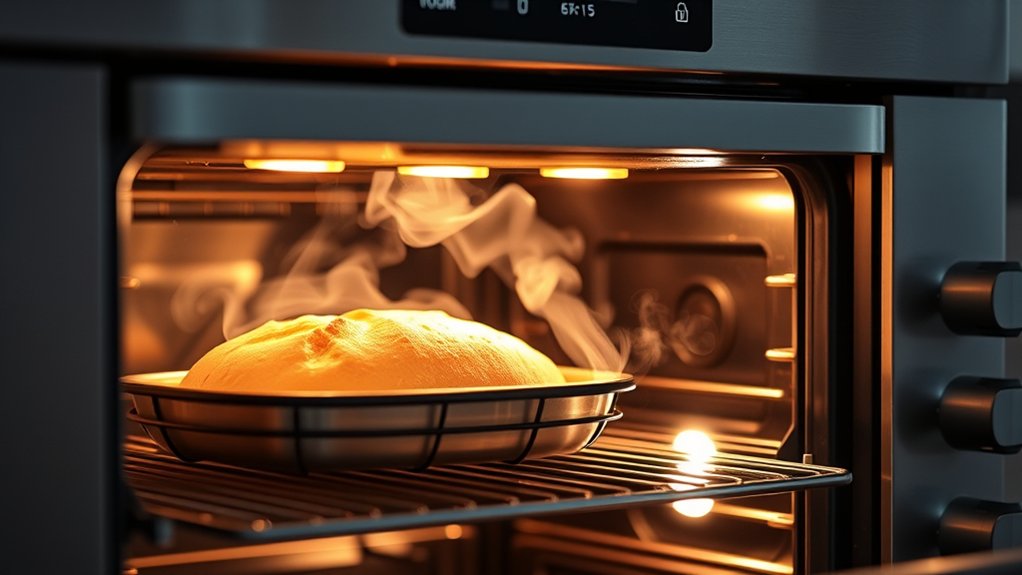
Although you might already be familiar with traditional ovens, a range oven combines both an oven and stovetop into a single appliance, letting you cook multiple dishes at once. You’ll find a cooking range typically includes burners on top for boiling, frying, or simmering, while the oven compartment below handles baking, roasting, or broiling. When you turn the controls, the appliance directs fuel—usually gas or electricity—to different components that generate heat.
This setup saves space and simplifies meal preparation since you don’t need separate appliances. Plus, range ovens come in various sizes and styles, so you can pick one that fits your kitchen and cooking needs perfectly. Using a range oven means you’re ready to tackle a wide variety of recipes efficiently.
How Stovetop and Oven Compartments Generate Heat
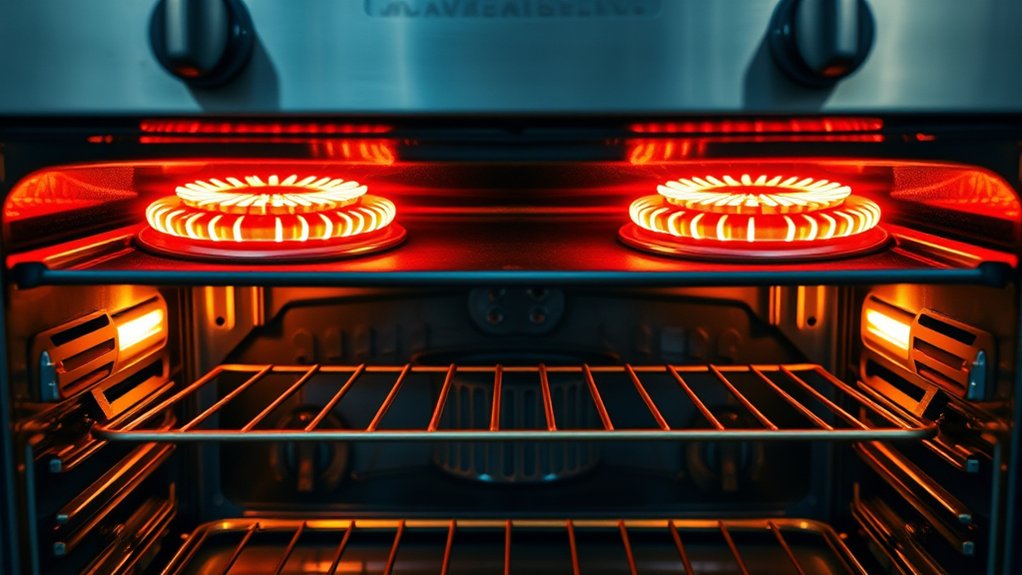
When you turn on your range oven, the stovetop burners and oven compartment activate different heating elements designed to deliver precise heat. On the stovetop, gas burners ignite flames directly beneath your pots and pans, giving you instant, adjustable heat. Electric stovetops use coil or smooth ceramic elements that heat up through electrical resistance, warming your cookware evenly.
Inside the oven compartment, electric models rely on heating elements—usually one at the bottom for baking and one at the top for broiling—to generate heat. Gas ovens burn fuel in a sealed chamber, producing flames that heat the oven walls and floor. Each system guarantees that the heat you need is generated efficiently, setting the stage for effective cooking and baking.
How Heat Moves Around Inside a Range Oven
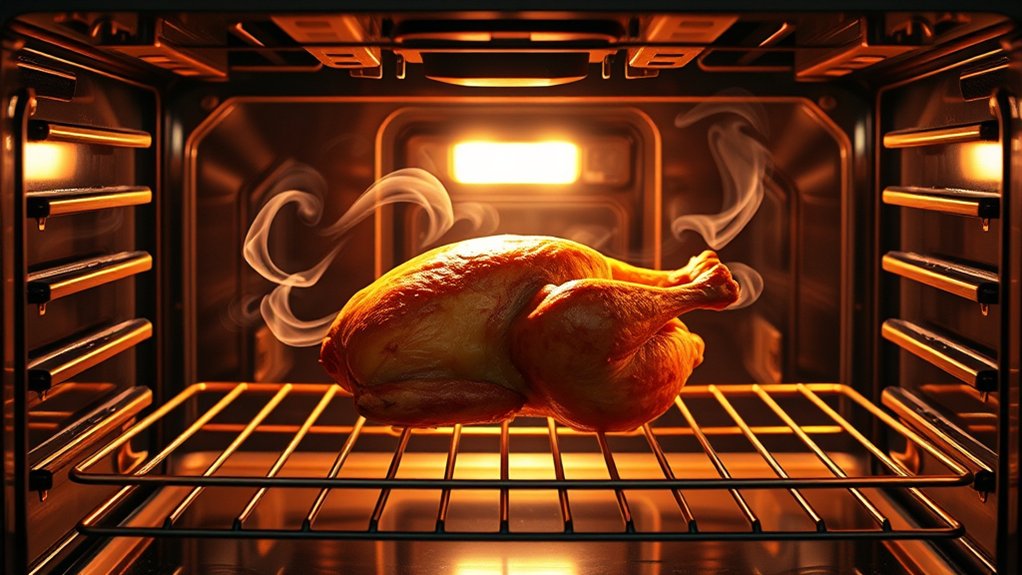
As heat is generated inside a range oven, it moves through the oven cavity by convection, conduction, and radiation to cook your food evenly. Convection circulates hot air around your dishes, ensuring consistent temperatures on all sides. This movement prevents hot spots and helps your food brown evenly.
Conduction happens when heat transfers directly from the oven’s walls or baking pans to your food, especially where it touches surfaces. Radiation sends infrared heat waves from the oven’s heating elements straight to your dish, browning and crisping its outer layer.
How Range Oven Temperature Controls Maintain Consistent Cooking
Because maintaining the right temperature is essential for perfect cooking results, range ovens use precise temperature controls to keep heat steady. When you set a temperature, the oven’s thermostat constantly monitors it and signals the heating elements to cycle on or off, preventing fluctuations. This process helps your food cook evenly without hot spots or undercooking.
Precise temperature controls ensure steady heat for even cooking without hot spots or undercooking.
Here’s how temperature controls maintain consistency:
- Thermostats detect temperature changes inside the oven cavity
- Heating elements adjust power output in response
- Sensors provide real-time feedback for accurate control
- Control boards manage timing and heating cycles
Key Cooking Modes and Features That Affect Range Oven Performance
Maintaining precise temperature control sets the stage for your range oven’s cooking modes and features to perform at their best. You’ll find modes like bake, broil, convection, and roast, each tailored to different cooking needs. Convection mode, for example, uses a fan to circulate hot air, ensuring even cooking and faster results.
Broil applies intense heat from above, perfect for melting cheese or crisping surfaces. Roast mode combines dry heat and sometimes convection to cook meats evenly. Features like self-cleaning cycles, delayed start, and temperature probes add convenience and accuracy.
How Safety Mechanisms Protect Your Kitchen
You rely on your range oven to cook safely, and built-in safety features make that possible. Automatic shutoff features prevent accidents by turning the oven off if it’s left on too long.
Plus, flame failure protection stops gas flow if the flame goes out, keeping your kitchen safe.
Automatic Shutoff Features
Although ovens offer convenience and precision, they can pose risks if left unattended for too long. Automatic shutoff features act as your kitchen’s safety net, preventing accidents and potential fires by turning the oven off after a set period or if it detects abnormal conditions. These systems give you peace of mind, especially when you get distracted or forget to turn the oven off manually.
Here’s what automatic shutoff features typically include:
- Timer-based shutoff after a preset cooking duration
- Sensors detecting overheating or unusual temperature spikes
- Manual override options for flexibility
- Alerts or alarms to notify you before shutting down
Flame Failure Protection
Safety features like automatic shutoff play a big role in preventing kitchen accidents, but flame failure protection takes that security a step further. This mechanism automatically cuts off the gas supply if the flame goes out unexpectedly, preventing dangerous gas leaks.
You don’t have to worry about forgetting to turn off the stove or a sudden draft extinguishing the flame. Flame failure protection uses a sensor to detect the presence of fire and acts instantly when the flame disappears.
| Feature | Benefit |
|---|---|
| Gas Cutoff Valve | Stops gas flow immediately |
| Flame Sensor | Detects if flame is present |
| Automatic Response | Activates without delay |
| Prevents Gas Leaks | Enhances kitchen safety |
| User-Friendly | Requires no manual action |
This safety tech keeps your kitchen safer every time you cook.
Troubleshooting Common Range Oven Problems Like Ignition and Temperature Issues
When your range oven fails to ignite or struggles to maintain the right temperature, it can disrupt your cooking and cause frustration. To troubleshoot, start by checking the ignition system—clean any dirt or debris around the igniter and verify the spark is visible.
Next, inspect the thermostat; a faulty sensor can cause inaccurate temperature readings. Also, examine the gas supply for blockages or leaks. Finally, make sure the oven door seals properly to maintain heat.
- Clean the igniter and check for sparks
- Test the thermostat for accuracy
- Inspect gas lines for obstructions or leaks
- Ensure the oven door gasket is intact
How to Choose the Right Range Oven for Your Kitchen
When choosing a range oven, you’ll want to take into account the fuel type that fits your kitchen setup and cooking style. Think about the oven size you need based on your space and how much you usually cook.
Also, check out the cooking features available to find one that matches your favorite recipes and techniques.
Fuel Type Options
How do you decide which fuel type suits your kitchen best? Choosing the right fuel impacts cooking performance, cost, and installation. Gas ovens heat quickly and offer precise temperature control, ideal if you want fast, even cooking.
Electric ovens provide consistent heat and are easier to clean, perfect for baking enthusiasts. Dual-fuel ranges combine gas cooktops with electric ovens, giving you the best of both worlds. Finally, induction ranges heat cookware directly, boosting efficiency and safety.
Consider these factors when choosing:
- Availability and cost of gas or electricity in your area
- Your cooking style and precision needs
- Installation requirements and kitchen setup
- Energy efficiency and maintenance preferences
Picking the right fuel type ensures your range oven fits your daily cooking demands perfectly.
Oven Size Considerations
What size oven do you really need to fit your cooking habits and kitchen space? Start by evaluating how often you cook and the typical meal sizes. If you prepare large meals or entertain frequently, a bigger oven with ample capacity will save you time and effort.
Conversely, if you mostly cook for one or two people, a smaller oven can be more energy-efficient and free up kitchen space. Also, measure your kitchen carefully to ensure the oven fits comfortably without crowding other appliances or work areas. Keep in mind the oven’s external dimensions and internal capacity, so you don’t compromise on either storage or room to move around.
Choosing the right size helps you cook efficiently and maintain a functional kitchen layout.
Cooking Features Available
After choosing the right oven size to match your cooking habits and kitchen space, it’s important to take into account the features that will make your cooking easier and more enjoyable. Modern range ovens come packed with options that can elevate your culinary experience. You’ll want to look for features that suit your style and needs.
Consider these cooking features when selecting a range oven:
- Convection cooking: Circulates hot air for even baking and faster cooking times.
- Self-cleaning modes: Saves time and effort by making oven maintenance simple.
- Multiple cooking modes: Offers flexibility with broil, bake, roast, and more.
- Smart controls: Allows you to monitor and control the oven remotely via apps.
Choosing the right features helps you cook efficiently and confidently every time.
Frequently Asked Questions
What Are the Energy Efficiency Ratings for Different Range Ovens?
You’ll find energy efficiency ratings vary: electric range ovens often score higher than gas models. Look for ENERGY STAR labels to save energy and reduce costs.
Convection ovens usually use less energy than conventional ones.
How Do You Properly Clean and Maintain a Range Oven?
You should clean spills promptly, use a gentle oven cleaner or baking soda paste, and avoid harsh abrasives.
Regularly check and replace oven seals, clean burners, and test the temperature to keep your range oven working efficiently.
Can a Range Oven Be Used for Dehydrating Food?
You can totally use a range oven for dehydrating food! Just set it to a low temperature, keep the door slightly open for airflow, and watch as your fruits or herbs slowly dry out into tasty snacks or seasonings.
What Are the Environmental Impacts of Using a Gas vs. Electric Range Oven?
You’ll find gas ovens emit more carbon dioxide and use fossil fuels, while electric ovens’ impact depends on your electricity source.
If your power’s green, electric’s cleaner; otherwise, gas might have a smaller footprint.
How Do Range Ovens Compare in Cost Over Time Versus Microwave Ovens?
You’ll spend more upfront on a range oven, but it’s more versatile and lasts longer.
Microwaves cost less initially and use less energy per use, but may need replacing sooner, increasing long-term expenses.
Conclusion
Think of your range oven as the heart of your kitchen, rhythmically pulsing heat to bring your meals to life. Just like a skilled conductor, it balances stovetop flames and oven warmth, ensuring every dish hits the perfect note.
With reliable controls and safety features, it’s your trusted partner in the culinary dance. Understanding how it works lets you master the art of cooking, turning simple ingredients into memorable moments on your plate.
By learning how a range oven works, you can optimize cooking techniques and enhance flavor. This knowledge helps you use your appliance efficiently, making every meal a success. Mastering your range oven is key to becoming a confident and creative home cook.