How to Determine If Made Cookware Is Non-Toxic
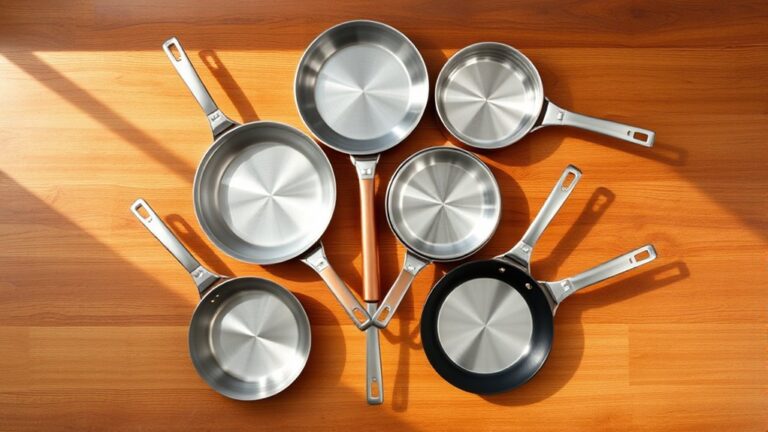
You can determine if your cookware is non-toxic by checking that it’s made from safe materials like stainless steel, cast iron, ceramic, or glass without harmful coatings. These materials are known for their durability and safety in cooking, making them popular choices for health-conscious cooks.
Additionally, look for certifications such as FDA or NSF approval and labels like BPA-free or lead-free to ensure safety standards are met.
Regularly inspect your cookware for scratches, peeling, or discoloration, which can signal safety issues. Damaged surfaces may release harmful substances into your food.
Proper care not only extends the life of your cookware but also helps maintain its non-toxic qualities.
Knowing these basics helps you cook healthier meals. There’s more to uncover about cookware safety and maintenance, so stay informed to protect your health and enjoy better cooking experiences.
Key Takeaways
- Check cookware materials like stainless steel, cast iron, ceramic, or glass, which are generally safe and non-leaching.
- Look for safety certifications such as FDA approval, NSF certification, BPA-free, and lead-free labels.
- Inspect cookware regularly for scratches, peeling, discoloration, or chemical odors during heating indicating compromised safety.
- Avoid cookware with synthetic or damaged non-stick coatings that may release harmful fumes or chemicals.
- Verify absence of heavy metals like lead or cadmium through labels or product information to ensure non-toxicity.
What Is Non-Toxic Cookware?
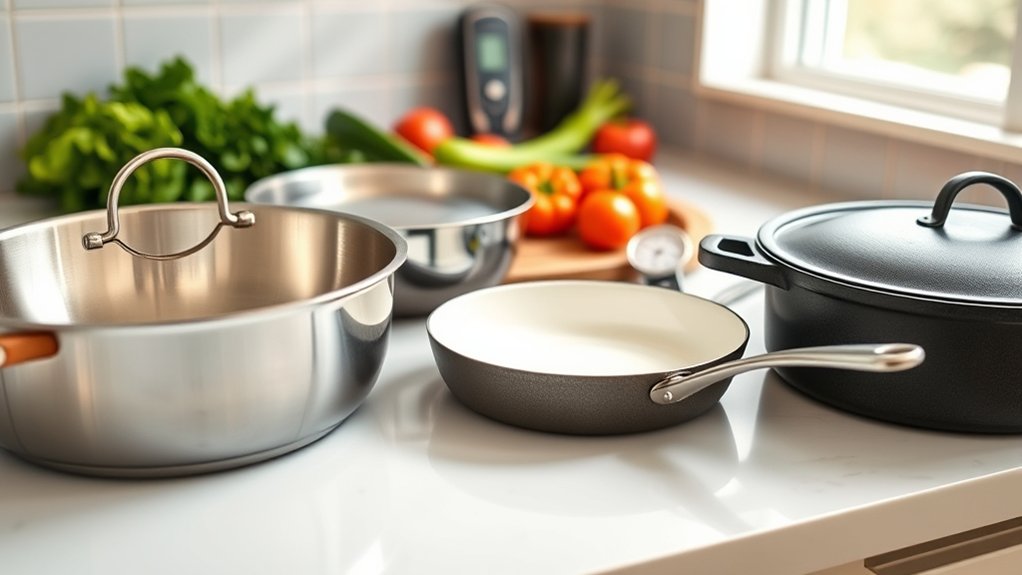
Although you might not realize it, non-toxic cookware plays a crucial role in keeping your meals safe and healthy. Non-toxic cookware refers to pots, pans, and other cooking tools made without harmful chemicals or materials that can leach into your food. When you use non-toxic cookware, you avoid substances like PFOA, PTFE, lead, and cadmium, which are often found in conventional options and may pose health risks.
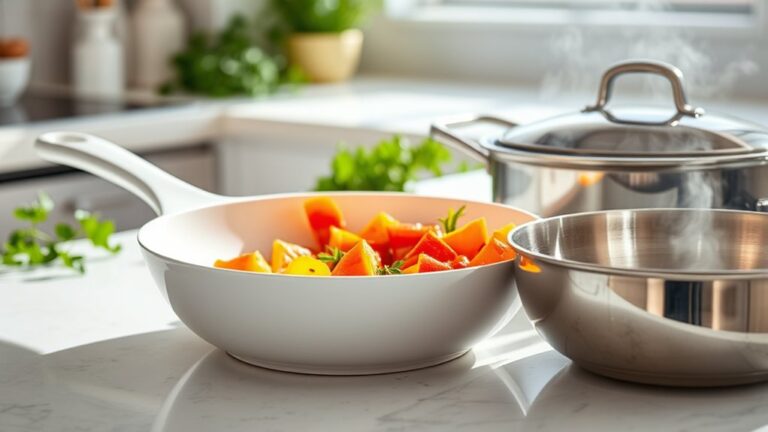
These safer alternatives are typically made from materials such as stainless steel, cast iron, ceramic, or glass. Choosing cookware labeled as non-toxic ensures you’re cooking without worrying about chemical contamination or unwanted flavors. Understanding what defines non-toxic cookware helps you make informed decisions that protect both your food and overall wellbeing.
Why Choose Non-Toxic Cookware for Your Health
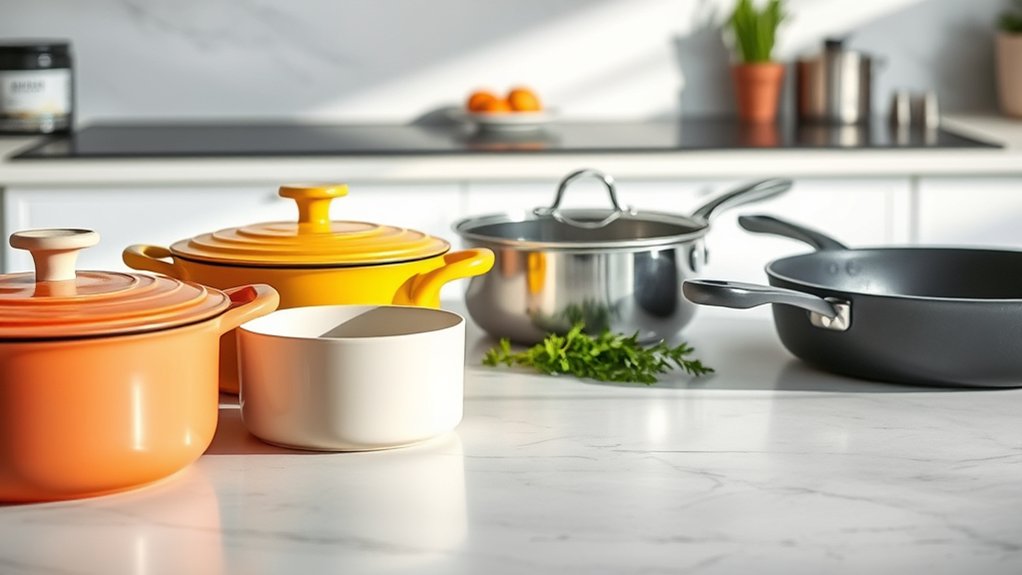
Choosing non-toxic cookware can greatly impact your health by reducing your exposure to harmful chemicals that often leach from conventional pots and pans. When you cook with toxic materials, substances like lead, cadmium, or PFOA can transfer into your food, increasing the risk of illness or long-term health problems.
By opting for non-toxic cookware, you protect yourself from these dangers, promoting better overall wellness. Non-toxic options also minimize inflammation and allergic reactions that some people experience with synthetic coatings.
Plus, they often last longer and perform better, making healthy cooking easier and more enjoyable. You deserve cookware that supports your well-being every time you prepare a meal, so choosing non-toxic products is a smart, proactive step toward safeguarding your health.
How to Identify Safe, Non-Toxic Cookware Materials
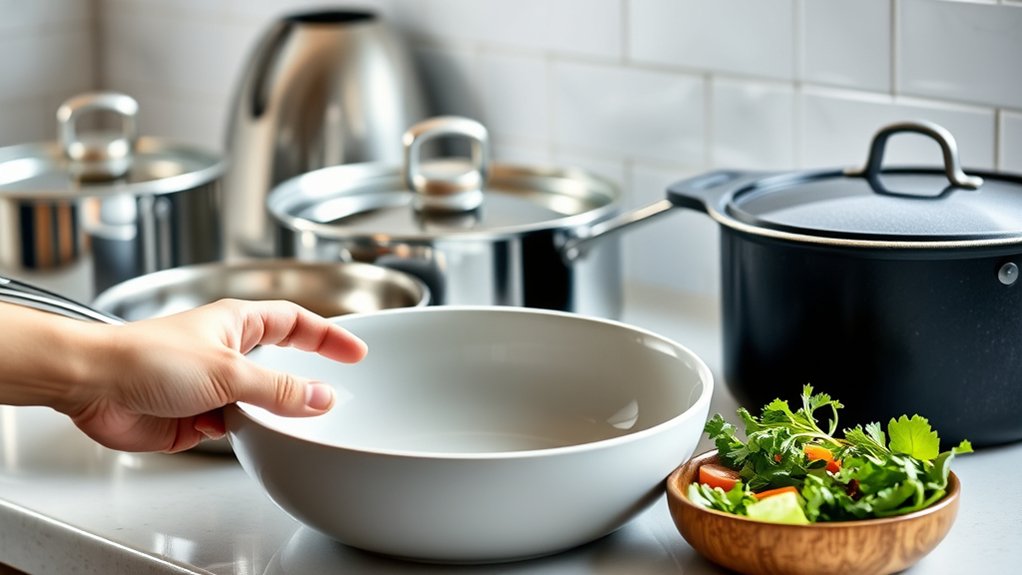
When you want cookware that won’t compromise your health, knowing which materials are safe is essential. Look for cookware made from stainless steel, cast iron, glass, or ceramic, as these are generally non-toxic and durable. Stainless steel is great for everyday use because it doesn’t leach chemicals, while cast iron adds beneficial iron to your food.
Glass and ceramic cookware avoid chemicals altogether, provided they’re free from lead or cadmium glazes. Avoid cookware with synthetic coatings unless you’re sure they’re free of harmful substances. Always check product labels or manufacturer information to confirm materials and safety certifications.
What Are the Risks of Non-Stick Cookware?
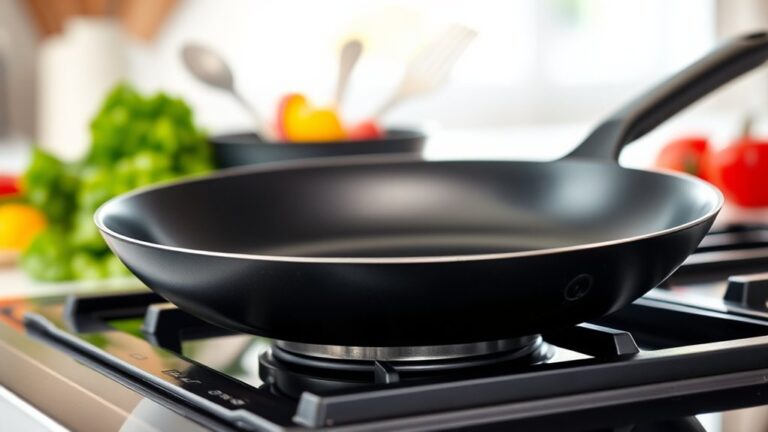
Safe cookware materials like stainless steel and cast iron offer peace of mind, but non-stick cookware brings its own set of concerns you should be aware of. When you use non-stick pans, especially older or damaged ones, the coating can release harmful fumes if overheated. These fumes may cause flu-like symptoms known as “polymer fume fever.”
Also, some non-stick coatings contain perfluorinated chemicals, which can persist in the environment and potentially impact your health over time. Scratches or peeling can expose you to these chemicals or reduce the cookware’s effectiveness.
To minimize risks, avoid cooking on high heat, discard cookware with damaged coatings, and opt for non-stick options labeled PFOA-free or made from safer materials. This helps protect your health while still enjoying convenient cooking.
Heavy Metals in Cookware: What You Need to Know
Although cookware is essential in your kitchen, some materials can leach heavy metals into your food, posing health risks. Metals like lead, cadmium, and arsenic may be present in low-quality or improperly manufactured cookware. When heated, these metals can contaminate your meals, potentially causing serious health issues over time.
You should be cautious about the type of cookware you choose, especially if it’s made from unknown or imported materials. Avoid cookware with chipped or cracked surfaces, as these can increase metal exposure. Stick to reputable brands and materials known for safety, like stainless steel or cast iron.
Being aware of heavy metal risks helps you make safer choices, protecting your health while cooking delicious meals.
How to Check Certifications and Safety Labels on Cookware
You’ll want to look for common certifications like FDA approval or NSF International to guarantee your cookware meets safety standards.
Pay close attention to safety label symbols, as they indicate important information about materials and toxin levels.
Understanding these labels helps you choose cookware that’s truly non-toxic and safe for your kitchen.
Common Cookware Certifications
Before buying cookware, check for common certifications that prove the product meets safety and non-toxicity standards. These certifications give you confidence that the cookware won’t release harmful chemicals into your food.
Here are some well-known certifications to look for:
| Certification | What It Means | Why It Matters |
|---|---|---|
| NSF International | Meets strict health standards | Ensures no toxic substances |
| UL (Underwriters Lab) | Safety tested for durability | Confirms safe daily use |
| FDA Approved | Food-safe materials | Guarantees no harmful leaching |
| Greenguard | Low chemical emissions | Protects indoor air quality |
Spotting these marks helps you choose cookware that’s safe and reliable, so you can cook with peace of mind.
Understanding Safety Label Symbols
How can you quickly verify that your cookware meets safety standards? Start by checking the safety label symbols on the packaging or the product itself. These symbols indicate certifications and compliance with health regulations.
Look for marks such as FDA approval, NSF certification, or the “food safe” icon, which confirm the cookware won’t leach harmful chemicals into your food. Some labels also highlight if the product is BPA-free, lead-free, or made from non-toxic materials. Don’t overlook recycling symbols or temperature limits, as they offer insights into durability and safe usage.
When you understand these symbols, you avoid guesswork and confidently choose cookware that’s both safe and reliable for your kitchen.
How to Evaluate Cookware Brands for Safety and Transparency
Although many cookware brands claim to prioritize safety, you need to dig deeper to verify their transparency. Start by researching if the brand openly shares information about materials used and manufacturing processes. Check whether they provide third-party testing or certifications from reputable organizations to back up their safety claims.
Look for clear labeling on packaging and detailed product descriptions on their website. You should also read customer reviews and expert opinions to spot any recurring concerns. Don’t hesitate to contact the company directly with questions about potential toxins or chemical coatings.
Brands that are genuinely committed to non-toxic cookware won’t avoid these inquiries—they’ll welcome them and provide straightforward answers to build your trust.
Signs Your Cookware Isn’t Truly Non-Toxic
You should watch out for harmful chemical indicators like unusual odors or discoloration when heating your cookware. If you notice the coating peeling, scratching, or wearing off, it’s a clear sign your cookware might not be as non-toxic as you thought.
Paying attention to these signs helps you avoid potential health risks from unsafe materials.
Harmful Chemical Indicators
What clues can reveal if your cookware contains harmful chemicals? First, check for strong chemical odors when you heat it—if it smells off or plastic-like, that’s a red flag. Also, avoid cookware with labels boasting “non-stick” without specifying safe coatings; many still use PTFE or PFOA, which release toxins when overheated.
Scratches or chips exposing underlying metals might indicate unsafe materials like aluminum or lead. If your cookware isn’t labeled as free from heavy metals like cadmium or lead, it’s best to be cautious. Finally, avoid cookware with cheap, shiny finishes—these often mask harmful coatings.
Coating Wear and Tear
When cookware’s coating starts to wear down, it can release harmful substances into your food, even if it was originally labeled non-toxic. You should regularly inspect your pans for scratches, chips, or peeling layers. These signs mean the protective barrier is compromised, increasing the risk of chemicals leaching during cooking.
Avoid using metal utensils that can cause premature wear. If you notice significant damage, it’s best to replace the cookware to keep your meals safe. Remember, a non-toxic label doesn’t guarantee lifelong safety—maintenance matters.
Keep an eye on coating wear and tear to protect your health and assure your cookware truly stays non-toxic over time.
How to Care for and Maintain Non-Toxic Cookware
Although non-toxic cookware is designed for durability and safety, proper care guarantees it stays in ideal condition and retains its health benefits. You should always hand wash your cookware with mild detergent and a soft sponge to avoid scratches. Avoid using metal utensils that can damage the surface.
Store your cookware properly, stacking with protective layers to prevent dents. Season cast iron or carbon steel regularly to maintain its natural non-stick layer.
| Care Tip | Why It Matters |
|---|---|
| Hand wash only | Prevents coating damage |
| Use soft utensils | Avoids scratching |
| Avoid high heat | Preserves cookware integrity |
| Season iron pans | Maintains non-stick surface |
| Store carefully | Prevents dents and surface wear |
When and Why to Replace Your Cookware for Health Reasons
You should replace your cookware when you notice signs of wear like scratches, peeling, or discoloration. Using old, damaged cookware can release harmful substances that affect your health. Replacing it on time guarantees safer cooking and better food quality.
Signs of Cookware Wear
Even if your cookware looks fine at a glance, wear can compromise its safety and effectiveness. You should watch for scratches, peeling, or discoloration, as these signs indicate it’s time to replace your pots and pans.
Damaged surfaces can expose you to harmful materials or affect cooking performance.
| Sign | What It Means | Action to Take |
|---|---|---|
| Scratches | Surface damage | Replace if deep |
| Peeling | Coating deterioration | Stop using immediately |
| Discoloration | Overheating or corrosion | Assess for replacement |
Regularly inspect your cookware to guarantee it stays non-toxic and safe for your health. Don’t wait until the damage worsens.
Health Risks of Old Cookware
When cookware ages, its materials can break down and release harmful substances into your food. You should know when to replace old pots and pans to protect your health. Here are four key risks to watch for:
- Leaching of toxic metals – Scratched or worn cookware can release metals like aluminum or cadmium.
- Chemical exposure – Non-stick coatings may degrade, emitting potentially harmful fumes.
- Bacterial contamination – Cracks and chips can harbor bacteria that regular cleaning won’t remove.
- Allergic reactions – Some old materials can cause skin or digestive sensitivities over time.
Benefits of Timely Replacement
Although it might seem convenient to keep using your old cookware, replacing it promptly can greatly reduce health risks associated with worn materials. Over time, scratches, chips, or peeling coatings can release harmful substances into your food. By swapping out damaged cookware, you prevent exposure to toxins like heavy metals or synthetic chemicals.
Timely replacement also ensures your cookware performs efficiently, providing even heat distribution and preventing food from sticking or burning. This not only protects your health but enhances your cooking experience. Pay attention to visible damage or changes in your cookware’s surface.
Don’t wait for significant wear—acting early helps you maintain a safer kitchen environment. Prioritizing replacement ultimately supports your well-being and keeps your meals free from contaminants.
Choosing Non-Toxic Cookware on a Budget: Tips and Options
Since non-toxic cookware often comes with a higher price tag, finding affordable options requires a bit of research and creativity. You don’t have to break the bank to cook safely. Here are four tips to help you choose non-toxic cookware on a budget:
- Prioritize essentials: Start with a versatile pan or pot you use most, then expand gradually.
- Look for sales and discounts: Check online deals, outlet stores, and seasonal sales for quality brands.
- Consider secondhand: Gently used cast iron or stainless steel cookware can be both safe and affordable.
- Focus on durability: Invest in cookware that lasts longer, saving money over time by avoiding frequent replacements.
With these strategies, you can cook healthier without overspending.
Frequently Asked Questions
Can Non-Toxic Cookware Affect Cooking Times or Temperatures?
Yes, non-toxic cookware can affect cooking times and temperatures because materials like ceramic or stainless steel distribute heat differently.
You’ll need to adjust heat settings and cooking duration to get the best results with your cookware.
Are There Specific Cleaning Products Recommended for Non-Toxic Cookware?
Think of gentle cleaning products as a soft rain nurturing your cookware. You’ll want to use mild dish soap and non-abrasive sponges so you don’t scratch or degrade the surface, keeping it safe and lasting longer.
How Does Non-Toxic Cookware Impact Food Flavor?
Non-toxic cookware lets your food’s natural flavors shine without chemical interference. You won’t get metallic or off tastes, so your meals taste cleaner and fresher.
Plus, it helps preserve delicate ingredients’ true essence.
Can Non-Toxic Cookware Be Used on All Types of Stovetops?
About 70% of cookware users worry about stovetop compatibility. You can use many non-toxic cookware types on gas, electric, and ceramic stoves, but induction requires magnetic bases, so always check your cookware’s specifications before buying.
Is Non-Toxic Cookware Safe for Oven Use and at What Temperatures?
You can use non-toxic cookware in the oven, but always check the manufacturer’s guidelines. Most handle temperatures up to 450°F, but some materials tolerate higher heat. Don’t exceed recommended limits to keep cookware safe and durable.
Conclusion
Choosing non-toxic cookware means protecting your health and cooking with peace of mind. Imagine Sarah, who switched to ceramic cookware after learning about heavy metals in her old pans. She noticed better food taste and felt safer every time she cooked.
By knowing what materials to avoid and how to care for your pots and pans, you can enjoy delicious meals without harmful chemicals. Invest wisely, and your kitchen will be a healthier place for you and your loved ones.
When selecting cookware, focus on non-toxic materials such as ceramic, stainless steel, and cast iron. Proper maintenance helps extend the life of your cookware and keeps it safe for daily use. Ultimately, choosing non-toxic cookware contributes to a healthier lifestyle and a safer kitchen environment.