10 Best Sizes for Grill Grate Bars
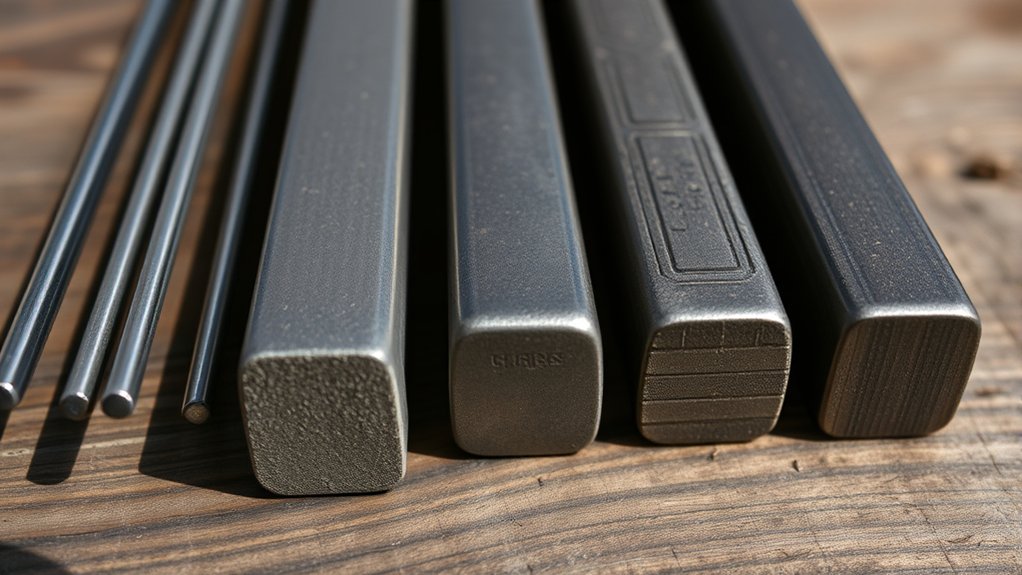
To get the perfect grill grate bar size, aim for 0.25 to 0.5 inches thick bars for versatile cooking, balancing heat retention and control. Choosing the right grill grate bars is essential for enhancing your grilling experience, as it affects heat distribution and food texture.
Use thinner bars under 0.25 inches for delicate foods like veggies and fish, and thicker bars over 0.5 inches for high-heat searing of steaks.
Space bars from 1/4 to 3/4 inches depending on food size to prevent slipping and guarantee even cooking. Proper spacing also helps maintain consistent heat across the grill surface.
Choosing the right size will boost flavor and grill performance, with more insights just ahead.
Key Takeaways
- Choose 3/4 inch spacing for thick cuts like steaks to ensure heat circulation and proper searing.
- Use 1/2 inch spacing for smaller meats like wings to prevent food from falling through.
- Opt for 1/4 to 1/2 inch spacing for vegetables to avoid slipping and ensure even cooking.
- Select grill bars thicker than 0.5 inches for stable heat retention and high-heat searing.
- Pick thinner bars under 0.25 inches for delicate foods needing subtle grill marks and responsive temperature control.
How to Choose the Right Grill Grate Bar Size
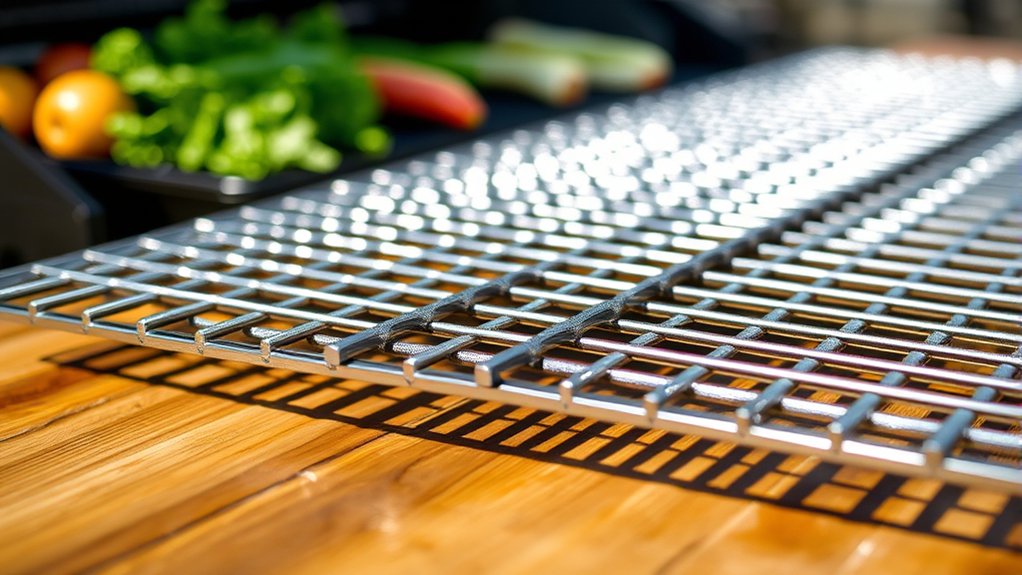
When choosing the right grill grate bar size, you’ll want to think about the type of food you usually cook and how you like your grill marks to appear. Thicker bars provide wider spacing, which is perfect if you grill large cuts like steaks or ribs, giving bold, defined sear marks.
If you often cook smaller items like vegetables or delicate fish, thinner bars with closer spacing prevent food from slipping through. Also, consider cleaning and maintenance; thicker bars tend to be sturdier and easier to scrape clean.
Your grill grate bar size should match your cooking habits and preferences, ensuring your food cooks evenly and looks great. Ultimately, selecting the right size helps you get the most out of your grilling experience.
How Grill Grate Bar Size Affects Heat and Cooking Results
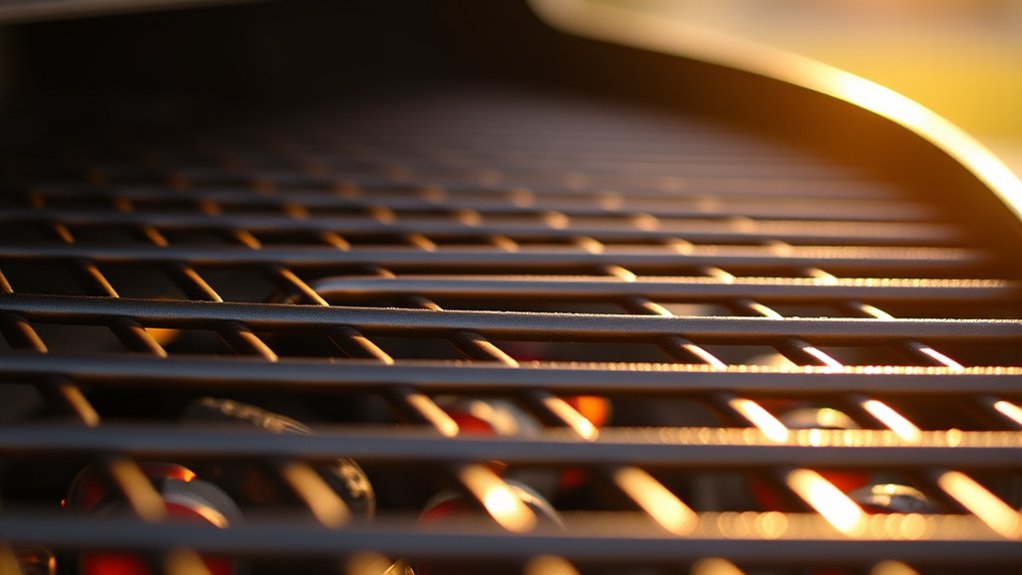
Choosing the right grill grate bar size doesn’t just affect how your food looks—it also changes how heat transfers to your food and impacts cooking results. Thicker bars hold heat longer, giving you consistent, even cooking and excellent sear marks. However, they may take a bit longer to heat up.
Thinner bars heat up quickly and cool down faster, allowing for more responsive temperature control but can cause uneven cooking if you’re not careful. Additionally, wider bars reduce flare-ups by limiting fat drippings reaching the flame, while narrower bars let more heat through, which can enhance charring but increase flare-up risk.
Understanding these differences helps you choose grate bars that match your grilling style and the foods you cook most often, ensuring better flavor and texture every time.
Best Thin Grill Bars (Under 0.25 Inches) for Delicate Foods

Although thin grill bars heat up quickly and offer less surface area, they’re ideal for delicate foods like fish, vegetables, and tender cuts of meat that require gentle handling. You’ll find that bars under 0.25 inches minimize sticking and make flipping easier without tearing fragile items. Their narrow profile creates subtle grill marks, enhancing presentation without overpowering texture.
When cooking with thin bars, you get better temperature control and avoid overcooking. Just be mindful they don’t retain heat as long, so you’ll need to monitor cooking times closely. If you want to grill delicate foods evenly and with care, choosing thin grill grate bars is a smart move.
They help you achieve that perfect balance between sear and tenderness effortlessly.
Ideal Medium-Thickness Grill Bars (0.25 to 0.5 Inches) for Versatile Cooking
You’ll find medium-thickness grill bars between 0.25 and 0.5 inches offer ideal heat distribution for cooking a variety of foods evenly. These bars strike a great balance between durability and weight, making them sturdy without being too heavy.
Choosing this size means you get versatility without sacrificing performance.
Optimal Heat Distribution
When you opt for medium-thickness grill bars measuring between 0.25 and 0.5 inches, you guarantee more even heat distribution across your cooking surface. These bars retain and transfer heat efficiently, helping you avoid hot spots that can burn food or leave it undercooked. This thickness allows the bars to heat up quickly while maintaining steady warmth, so you get consistent searing and grill marks.
It’s perfect for cooking a variety of foods, from delicate fish to thicker cuts of meat, without constantly adjusting the heat. You’ll notice your food cooks more evenly, locking in juices and flavor. Medium-thickness bars strike a smart balance, giving you reliable heat control that enhances your overall grilling experience every time.
Balanced Durability and Weight
Because medium-thickness grill bars measuring between 0.25 and 0.5 inches strike a perfect balance, you get grill grates that are both sturdy and manageable. These bars provide enough mass to retain heat well, ensuring even cooking without the hefty weight that makes grates hard to handle or clean. You’ll find them durable enough to withstand frequent use and resist warping or bending under high temperatures.
At the same time, they’re light enough for you to lift or adjust easily when needed. This balance makes medium-thickness bars ideal for versatile cooking, from searing steaks to slow-cooking vegetables. Choosing bars in this size range means you won’t compromise on performance or convenience, giving you a reliable, user-friendly grilling experience.
Thick Grill Bars (Over 0.5 Inches) for High-Heat Searing
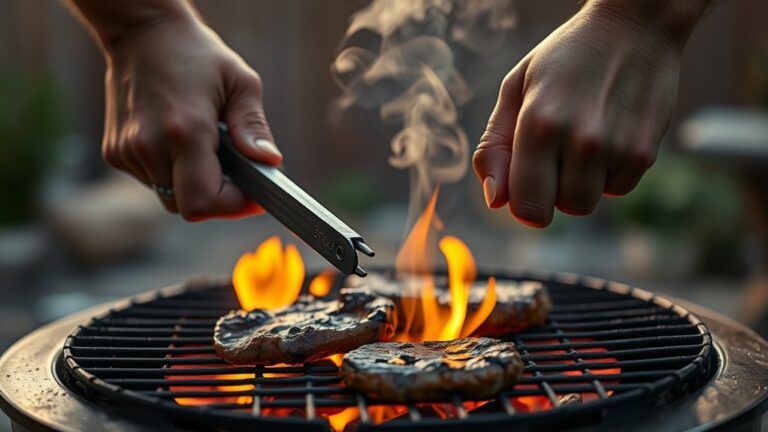
Although thicker grill bars require more time to heat up, they excel at retaining and distributing intense heat, making them ideal for high-heat searing. When you use bars over 0.5 inches thick, you get a stable cooking surface that maintains consistent temperatures, allowing you to create those perfect sear marks and lock in juices.
These bars resist temperature fluctuations better, so you won’t lose heat when you place cold food on the grill. Plus, their mass helps prevent hot spots, giving you more uniform cooking. While they may take longer to reach grilling temperature, the payoff is worth it if you want restaurant-quality searing at home.
Choose thick grill bars for durability and superior heat retention to elevate your grilling game.
How Grill Grate Bar Spacing Affects Cooking With Different Bar Sizes
Since grill grate bar spacing directly influences heat distribution and food placement, understanding its interaction with different bar sizes is essential for achieving ideal cooking results. When you use thicker bars, wider spacing often works better because it lets heat circulate evenly and prevents food from sticking.
Conversely, thinner bars require closer spacing to support smaller or delicate items, so they don’t fall through. If the spacing’s too wide for thin bars, you risk uneven cooking and flare-ups. On the other hand, narrow spacing with thick bars can reduce airflow, causing less efficient heat transfer and longer cook times.
Grill Grate Bar Size Recommendations for Charcoal and Gas Grills
When choosing grill grate bar sizes for charcoal and gas grills, you’ll want to take into account how each type of grill distributes heat differently. Charcoal grills typically generate intense, uneven heat, so thicker bars (around 5/8 inch) work best to retain and spread heat evenly, reducing hot spots and preventing food from sticking.
On gas grills, heat is more controlled and consistent, so thinner bars (between 1/2 and 5/8 inch) provide excellent sear marks without overheating. For both grill types, spacing bars about 1/2 inch apart strikes a good balance between support and airflow.
Which Materials and Coatings Work Best With Different Grill Bar Sizes
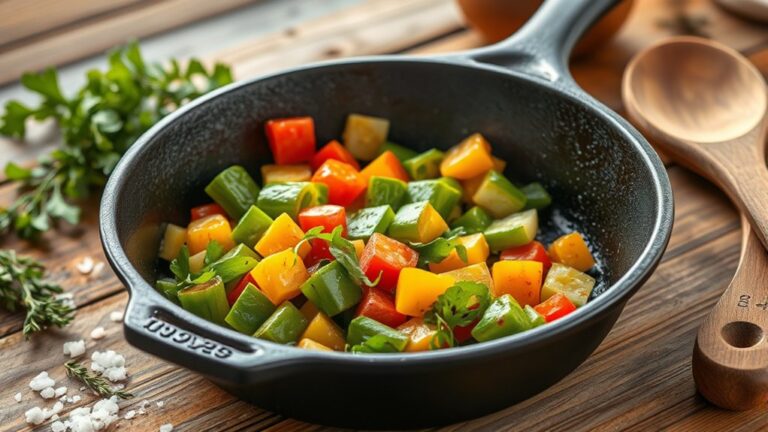
Choosing the right material and coating for your grill grate bars can profoundly impact cooking performance and durability, especially as different sizes respond uniquely to heat and wear. Thicker bars, like ½ inch or more, benefit from cast iron because it retains heat evenly and withstands heavy use, but you’ll want a good enamel coating to prevent rust.
Thinner bars, around ¼ inch, work well with stainless steel since it heats quickly and resists corrosion without extra coating. Porcelain-coated steel bars offer easy cleanup and durability but might chip on very thin bars, so opt for medium thickness.
Keep in mind that coatings can wear faster on smaller bars due to more direct heat exposure, so matching material and size ensures long-lasting grill grates that perform consistently.
Matching Grill Grate Bar Size to Your Favorite Foods and Recipes
You’ll want to choose grill grate bar sizes that fit your favorite foods perfectly. Narrow spacing works best for smaller cuts of meat, while wider bars let veggies cook evenly without falling through.
Matching the grate size to your recipes makes grilling easier and tastier.
Ideal Spacing for Meats
Because different meats vary in size and cooking style, matching grill grate bar spacing to your favorite foods guarantees even cooking and prevents smaller pieces from falling through. For thicker cuts like steaks or pork chops, wider spacing between bars—around 3/4 inch—allows heat to circulate properly and creates those perfect sear marks.
When grilling thinner or smaller meats such as chicken wings or sausages, narrower spacing—about 1/2 inch—helps you avoid losing pieces while ensuring even exposure to heat. Ground meat patties benefit from medium spacing, striking a balance between support and airflow.
Adjusting grate spacing based on your meat choice helps you cook efficiently and safely, giving you better control over doneness and texture every time you fire up the grill.
Optimal Size for Veggies
How do you make certain your veggies cook evenly without slipping through the grill? Choosing the right grill grate bar size is key. For veggies, aim for narrower bars spaced about 1/4 to 1/2 inch apart.
This tight spacing supports smaller pieces like sliced zucchini, bell peppers, and asparagus, preventing them from falling through. Plus, it promotes even heat distribution, so your veggies cook uniformly without burning. If your bars are too wide or spaced too far apart, you risk losing those tasty bits to the flames below.
Maintaining and Replacing Grill Bars: Tips for Different Sizes
When maintaining or replacing grill bars, choosing the right size plays an essential role in ensuring even cooking and longevity. Smaller bars, often spaced closer together, require regular cleaning to prevent food buildup, which can cause rust and uneven heat. Larger bars are sturdier but might need spacing checks to avoid food slipping through.
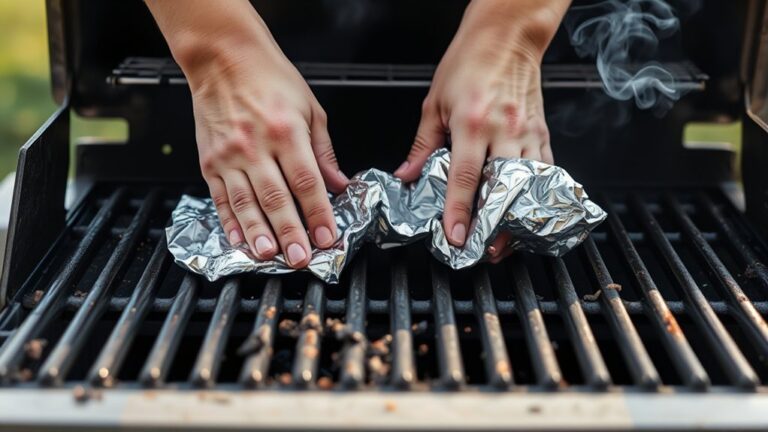
Always measure your grill grate before buying replacements to match the original size precisely. Use stainless steel or cast iron bars for durability, and season cast iron bars regularly to prevent rust. If you notice warped or cracked bars, replace them promptly to maintain cooking consistency.
Proper maintenance, combined with selecting the right size, keeps your grill performing at its best and extends the life of your grill bars.
Frequently Asked Questions
How Do Grill Grate Bar Sizes Impact Cleaning Frequency?
Smaller grill grate bars trap less food, so you’ll clean less often. Larger bars catch more residue, meaning you’ll need to clean more frequently to avoid buildup and maintain cooking performance.
Keep them clean for better grilling!
Can Grill Grate Bar Size Affect Grill Durability?
Yes, grill grate bar size can affect durability. Thicker bars resist warping and corrosion better, so you’ll get longer-lasting performance.
Thinner bars might wear out faster, meaning you’ll need to replace them more often.
Do Different Grill Grate Sizes Influence Fuel Consumption?
Yes, different grill grate sizes can influence fuel consumption. For example, if you use thinner bars, your grill heats faster, so you’ll save fuel compared to thicker bars that take longer to reach cooking temperature.
Are There Safety Concerns With Certain Grill Grate Sizes?
Yes, you should watch out for very narrow or widely spaced grill grate bars. Narrow bars can trap food and cause flare-ups, while wide gaps might let smaller items fall, increasing fire hazards and safety risks.
These issues can compromise safe grilling. Always choose grill grates with appropriate spacing to avoid accidents and ensure better cooking control.
How Does Grill Grate Bar Size Affect Portability of the Grill?
Think of grill grate bars as the spine of your grill; thicker bars add strength but weigh you down, making portability tougher.
Choose thinner bars if you’ll carry your grill often—they’ll keep your setup light and easy to move.
Conclusion
Choosing the right grill grate bar size is like finding the perfect dance partner—it makes your cooking flow effortlessly. Whether you’re grilling delicate veggies on thin bars or searing steak with thick ones, matching the size to your grill and food turns every meal into a masterpiece.
Keep your bars clean and well-maintained, and you’ll enjoy sizzling success every time you fire up the grill.
So, pick wisely and grill like a pro! Remember, selecting the best sizes for grill grate bars not only enhances flavor but also ensures durability and optimal heat distribution for your grilling needs.