How to Tell If All Glass Cooktops Are Induction
Not all glass cooktops are induction; many use radiant or ceramic heating elements beneath smooth glass surfaces. Understanding how to tell if all glass cooktops are induction can help you choose the right appliance for your kitchen.
Induction cooktops offer precise temperature control and energy efficiency compared to other types.
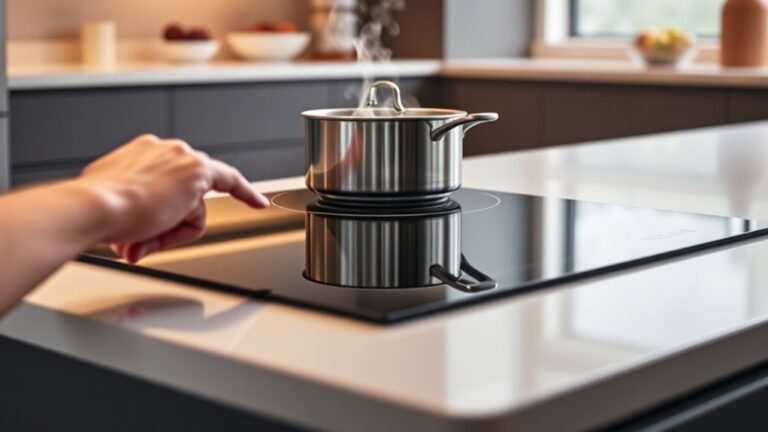
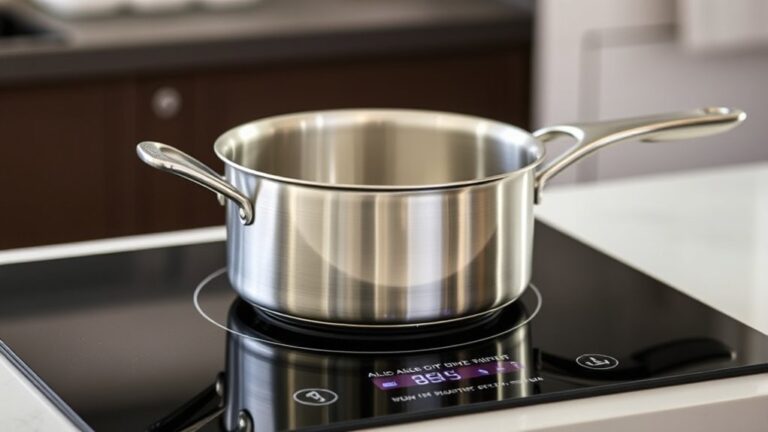
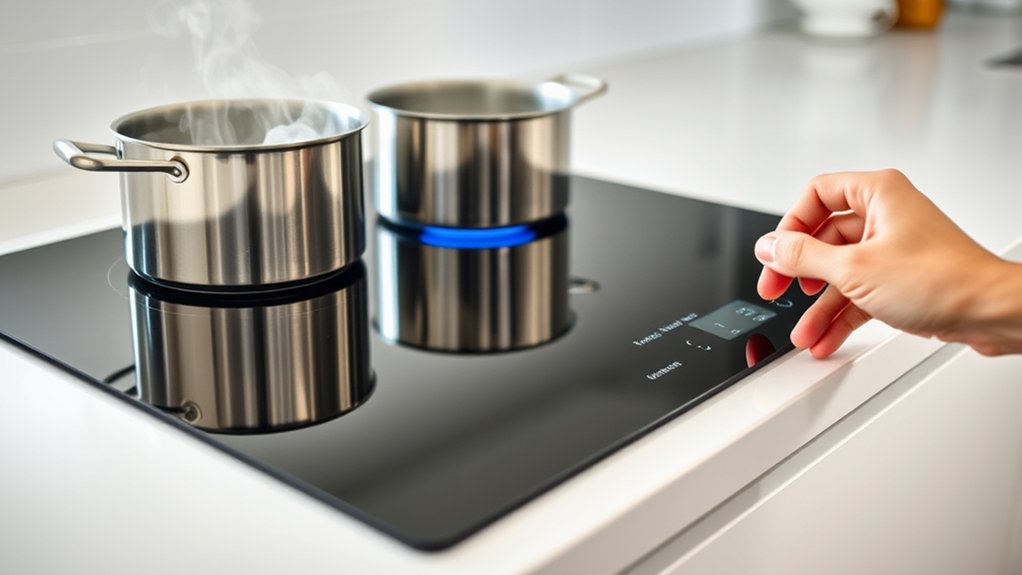
You can identify induction cooktops by outlined coil icons and digital touch controls. The surface stays cool except where cookware is placed, unlike radiant tops that glow red when hot.
Testing with a magnet on your cookware is a simple way to confirm induction compatibility.
Knowing these differences ensures you use the correct cookware and achieve the best cooking results. Keep exploring to learn how this knowledge can improve your kitchen experience and cooking efficiency.
Key Takeaways
- Not all glass cooktops are induction; some are radiant or ceramic with smooth glass surfaces but different heating methods. Induction cooktops have outlined circles or coil icons, while radiant tops feature continuous zones without distinct markings. Radiant cooktops glow red during heating; induction surfaces remain cool except under compatible cookware.
- Induction cooktops commonly use digital touch controls, whereas radiant models may have knobs or dials. A magnet test on cookware can confirm induction compatibility, indicating the cooktop is likely induction if it heats properly.
How to Tell If Your Glass Cooktop Is Induction
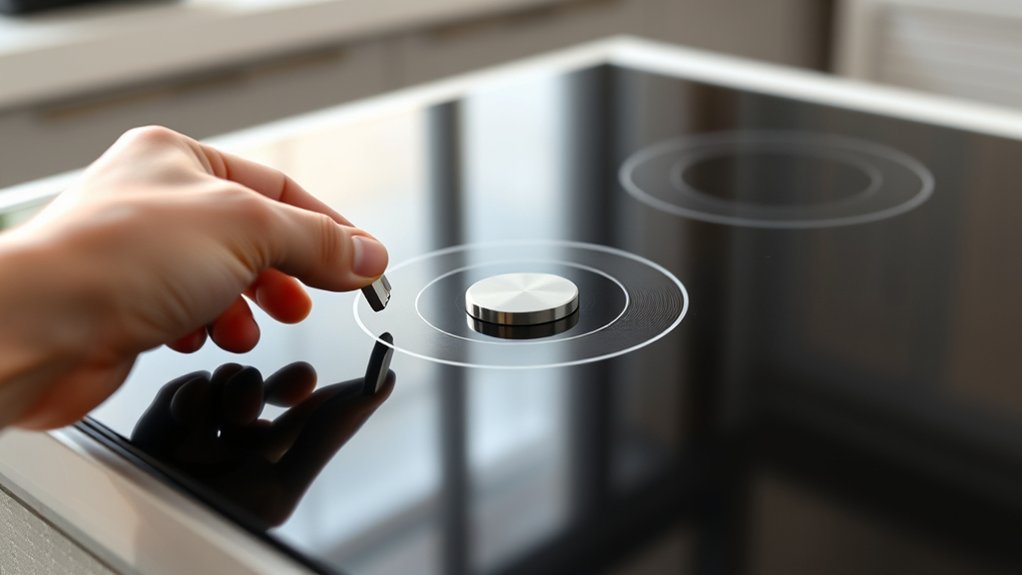
Although glass cooktops often look similar, you can quickly tell if yours is induction by checking for specific features like a smooth surface with no visible coils and control panels that respond only when compatible cookware is present.
You’ll notice an induction cooktop stays cool to the touch except right under the pot. Another way is to place a magnet on your cookware; if it sticks firmly, the cooktop likely works with it.
Also, induction cooktops usually have symbols or labels indicating induction technology, such as a coil icon. If your cooktop doesn’t heat up unless you use magnetic cookware and has precise temperature controls, it’s probably induction.
How Induction Cooktops Differ From Radiant Glass Tops
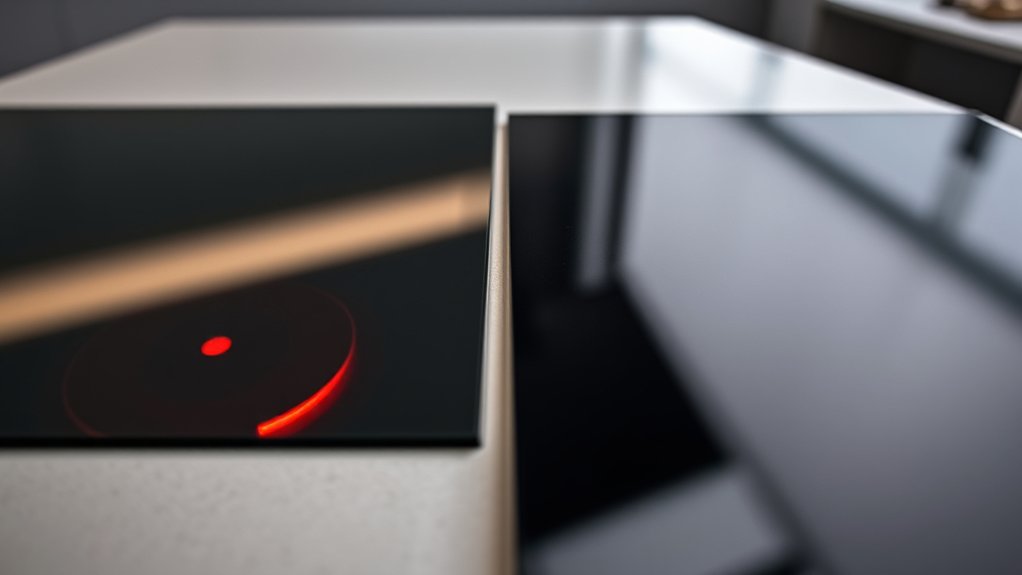
How can you tell the difference between induction cooktops and radiant glass tops just by looking? While both feature sleek glass surfaces, they operate quite differently, and a few visual cues can help you spot the difference.
- Heating Zones: Induction cooktops often have distinct, outlined circles or coils where the magnetic field activates, while radiant tops usually display smooth, continuous zones beneath the glass.
- Control Panel: Induction models typically have digital touch controls with precise temperature settings; radiant models may include simpler knobs or dials.
- Surface Temperature: Radiant tops glow red when heating, visible through the glass, while induction surfaces stay cool except under the cookware.
Spotting these differences helps you know exactly which technology you’re dealing with in your kitchen.
How to Test Your Cookware for Induction Cooktops
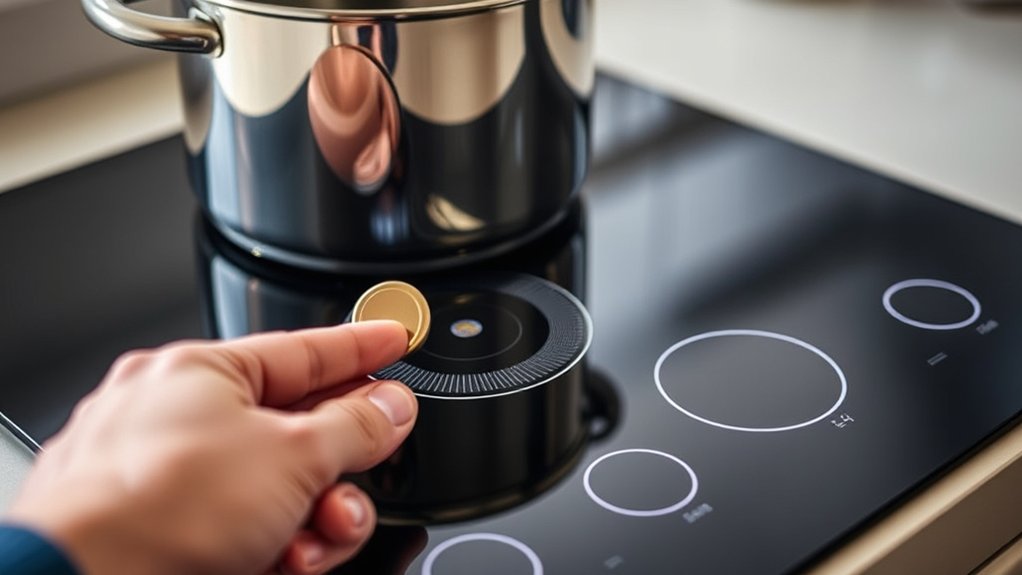
If you want to know whether your cookware works with an induction cooktop, a simple test can quickly give you the answer. All you need is a magnet. Induction cooktops require magnetic cookware to generate heat, so if a magnet sticks well, your pot or pan is compatible.
Here’s how to test your cookware:
| Step | What to Do |
|---|---|
| 1 | Place a magnet on the bottom surface |
| 2 | Check if the magnet sticks firmly |
| 3 | If it sticks, cookware works with induction |
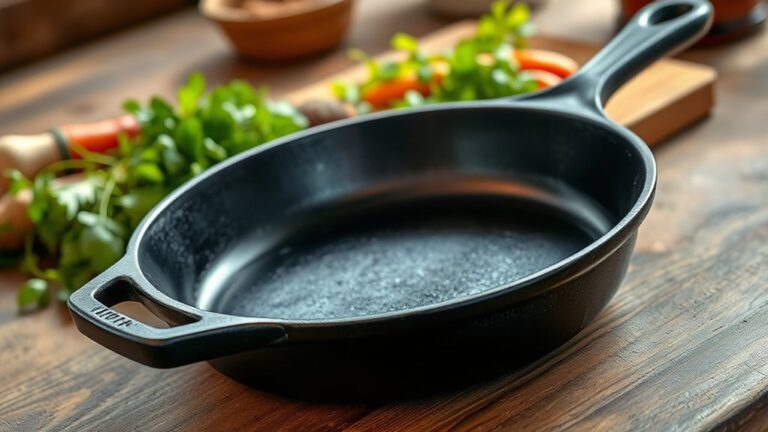
This test is quick, reliable, and requires no special tools. Keep in mind, cookware made of stainless steel or cast iron usually passes, while aluminum or glass pans typically don’t.
What to Do If Your Cooktop Isn’t Induction
If your cooktop isn’t induction, you might be using a radiant or halogen model that works with different cookware. You’ll want to make sure your pots and pans match the type of cooktop you have for the best performance.
If you’re looking for faster heating and better efficiency, consider upgrading to an induction cooktop.
Alternative Cooktop Types
Although induction cooktops offer many advantages, not every glass cooktop uses this technology. If your cooktop isn’t induction, it might be one of these alternatives, each with its unique features:
- Radiant Electric Cooktops: These use heating elements under the glass surface to provide steady heat. They’re slower to heat and cool but offer a smooth, easy-to-clean design.
- Ceramic Glass Cooktops: Similar to radiant cooktops, they use electric coils beneath a ceramic glass surface. They’re visually sleek but don’t heat as efficiently as induction.
- Gas Cooktops with Glass Tops: These combine the classic gas flame with a glass surface. They offer precise temperature control but require more cleaning.
Knowing these types helps you understand your cooktop’s operation and maintenance needs better.
Using Compatible Cookware
Wondering how to choose the right cookware for your non-induction glass cooktop? First, focus on materials that work well with radiant or halogen cooktops, like stainless steel, aluminum, and copper. These metals distribute heat evenly, preventing hotspots that can damage your cooktop.
Avoid cookware with rough or warped bottoms, as they can scratch the glass surface. Flat, smooth-bottomed pots and pans are ideal because they maximize contact and heat transfer. Also, steer clear of cast iron or stoneware unless it has a smooth base, since these can be heavy and scratch-prone.
Regularly check your cookware’s condition and clean both the pots and cooktop to maintain efficiency and prevent damage. Using compatible cookware guarantees your glass cooktop safe and ensures great cooking results.
Upgrading Your Cooktop
When your current glass cooktop doesn’t support induction cooking, upgrading can seem like a big step—but it’s often worth the investment. Switching to an induction cooktop means faster heating, better energy efficiency, and precise temperature control.
Here’s what to think about when upgrading:
- Check Your Kitchen Setup: Confirm your electrical system can handle the power requirements of an induction cooktop to avoid costly rewiring.
- Choose the Right Size and Features: Pick a cooktop that fits your cooking style and kitchen space, considering burner layout and smart features.
- Plan for Compatible Cookware: Remember, induction needs magnetic cookware, so you might need to replace pots and pans if they aren’t compatible.
Upgrading smartly will transform your cooking experience and make your kitchen more modern and efficient.
How Induction Cooktops Heat Faster Than Other Glass Tops
How exactly do induction cooktops manage to heat your food so much faster than other glass tops? They use magnetic fields to directly heat your cookware, unlike traditional electric or radiant glass tops that heat indirectly. This means the energy goes straight into the pot or pan, cutting down heat-up time markedly.
You’ll notice water boils quicker, and meals cook evenly without hot spots. Here’s a quick comparison:
| Feature | Induction Cooktops | Other Glass Cooktops |
|---|---|---|
| Heating Method | Magnetic induction | Electric resistance |
| Heat Transfer | Direct to cookware | Through glass surface |
| Heat-up Time | Very fast | Slower |
| Energy Efficiency | High | Lower |
| Temperature Control | Precise and immediate | Less responsive |
This direct heating is why induction is the fastest choice for cooking.
How to Use Induction Cooktop Controls to Confirm Your Cooktop
Although glass cooktops can look similar, you can quickly confirm if yours is induction by testing the controls. Induction cooktops have distinctive features that respond uniquely when you interact with them.
Try these steps:
- Power On and Listen: Turn on the cooktop. Induction models often emit a slight humming or buzzing sound when heating.
- Adjust Heat Levels: Increase or decrease the temperature. Induction controls usually respond instantly, showing precise increments.
- Test Pan Detection: Place a non-magnetic pan on the burner and try to activate it. The cooktop should remain off or show an error, confirming it detects cookware magnetically.
Busting Common Myths About Induction and Glass Cooktops
After testing your cooktop’s controls, you might still have questions or doubts about induction and glass cooktops. One common myth is that all glass cooktops are induction, but that’s not true—some use radiant or halogen heating elements beneath the surface.
Another misconception is that induction cooktops are slower or less powerful than traditional gas or electric ones. In reality, induction heats faster and offers precise temperature control. You might also hear that induction cooktops only work with special cookware.
While it’s true they need magnetic-based pots, you can easily test your pans with a magnet. Finally, some believe induction cooktops are fragile; modern glass tops are durable and scratch-resistant, but like any surface, they require proper care to stay in good shape.
How Knowing Your Cooktop Type Can Improve Your Cooking
Knowing your cooktop type helps you control heat more precisely, making your cooking smoother and faster. You’ll also save energy by using the right settings for your stove.
Plus, choosing compatible cookware guarantees better results and protects your cooktop.
Heat Control Precision
When you understand the type of glass cooktop you have, you can better control your cooking temperature and timing. Induction cooktops offer precise heat control by adjusting power instantly, letting you simmer sauces or boil water quickly without overshooting the temperature.
In contrast, traditional electric glass cooktops respond slower, requiring you to anticipate heat changes more carefully.
Here’s how knowing your cooktop type improves heat control precision:
- Instant adjustments – Induction reacts immediately to changes, giving you fine-tuned temperature control.
- Consistent heat – Induction maintains steady heat levels, reducing the risk of burning or undercooking.
- Better temperature feedback – You get clearer cues on when to raise or lower heat, improving timing accuracy.
This knowledge helps you cook with confidence and achieve better results every time.
Energy Efficiency Benefits
Because induction cooktops heat cookware directly, they use energy more efficiently than traditional glass cooktops, which rely on heating elements that warm the surface first. This direct heating means less wasted energy and faster cooking times, so you’ll save both electricity and time. When you know your cooktop type, you can tailor your cooking habits to maximize these benefits.
For example, induction cooktops reach desired temperatures quicker, allowing you to reduce preheating time and avoid overheating food. Understanding energy efficiency helps you lower utility bills and reduce your environmental impact. Plus, efficient heat transfer means your kitchen stays cooler, making it more comfortable while you cook.
Knowing whether your glass cooktop is induction empowers you to cook smarter and more sustainably.
Cookware Compatibility Tips
How can you make the most of your cooktop? Knowing whether it’s induction or not lets you choose the right cookware, improving your cooking results.
Here are three tips to ensure compatibility:
- Check Magnetic Properties: Induction cooktops only work with cookware that has a magnetic base. Use a magnet—if it sticks, it’s compatible.
- Opt for Flat Bottoms: Glass and induction cooktops require flat-bottomed pots and pans for even heat distribution and to avoid scratches.
- Material Matters: Stainless steel, cast iron, and some enameled cookware work well on induction. Avoid aluminum or copper unless they have a magnetic layer.
Frequently Asked Questions
Are Induction Cooktops More Energy-Efficient Than Gas Stoves?
Yes, you’ll find induction cooktops more energy-efficient than gas stoves because they heat cookware directly, reducing wasted heat. You’ll save energy and cook faster, making induction a smarter choice for efficiency in your kitchen.
Can Induction Cooktops Cause Interference With Medical Devices?
Yes, induction cooktops can cause interference with some medical devices like pacemakers. You should consult your doctor before using one, especially if you rely on such devices, to avoid any potential health risks or malfunctions.
It is important to be cautious and informed about the possible effects these cooktops may have on your medical equipment. Taking preventive measures can help ensure your safety. Always follow medical advice regarding the use of electronic appliances.
What Maintenance Is Required for Glass Induction Cooktops?
You know what they say, “A stitch in time saves nine.” You should clean spills quickly, avoid abrasive cleaners, and use only recommended cookware to keep your glass induction cooktop spotless and functioning perfectly for years to come.
Are Induction Cooktops Safe for Children to Use?
Yes, induction cooktops are generally safe for children because they stay cool except under the pot. You should still supervise kids to prevent burns or accidents, especially since the cookware and surface can get hot after cooking.
It is important to teach children about kitchen safety and the proper use of the cooktop. Even though the surface remains relatively cool, caution is necessary to avoid injuries.
Using induction cooktops can be a safer option compared to traditional stoves, but supervision is always recommended.
Do Induction Cooktops Work With All Types of Cookware Materials?
Induction cooktops don’t work with all cookware. You’ll need magnetic materials like cast iron or stainless steel.
Aluminum, copper, or glass won’t heat unless they have a magnetic base, so check before you buy.
Conclusion
Now that you know how to tell if your glass cooktop is induction, you’re better equipped to cook efficiently and safely. Remember, “don’t judge a book by its cover”—just because it’s glass doesn’t mean it’s induction. Testing your cookware and using the controls will give you the answers you need.
Understanding your cooktop type helps you make the most of its features, speeding up your cooking and enhancing your culinary skills. Knowing how to identify induction cooktops among glass cooktops ensures you use the right cookware and optimize your cooking experience. This knowledge is key to maximizing the benefits of your kitchen appliances and cooking safely.