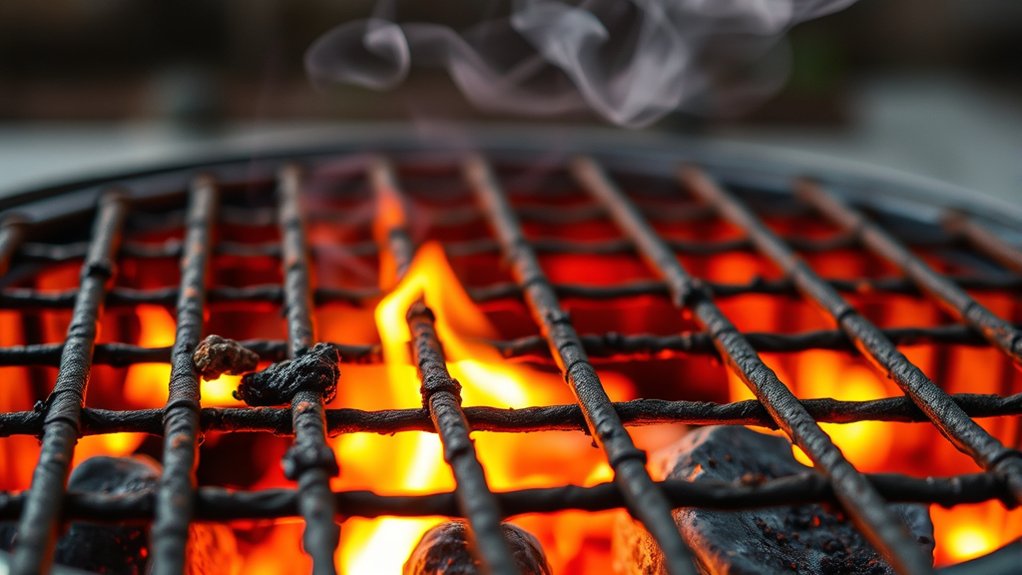
Can You Burn Rust Off Grill Grates?
You can burn rust off grill grates by heating them to a high temperature, which helps loosen and burn away light, flaky surface rust. This method works well for superficial rust but is not effective for deeper corrosion or metal damage. Burning rust off grill grates is a quick way to clean minor rust buildup before cooking.
However, this approach won’t restore compromised areas and can risk uneven surfaces or grill damage if overdone. For tougher rust or long-term protection, proper cleaning and maintenance are essential.
Understanding the best rust removal techniques will help you keep your grill grates in good condition.
Explore further for effective rust removal and care tips to ensure your grill grates last longer and perform better.
Key Takeaways
- Burning rust on grill grates only removes loose, surface rust flakes but cannot eliminate deep or severe rust corrosion.
- High heat can loosen surface rust, making it easier to scrub off with a wire brush or steel wool afterward.
- Burning rust risks damaging grill metal and creating uneven surfaces if rust is deeply embedded or metal is weakened.
- If rust flakes off easily during heating, surface rust removal is feasible; persistent rust requires chemical or mechanical treatment.
- Always inspect for pitting or metal damage before deciding; severely rusted grates may need replacement rather than just burning.
Why Rust Forms on Grill Grates
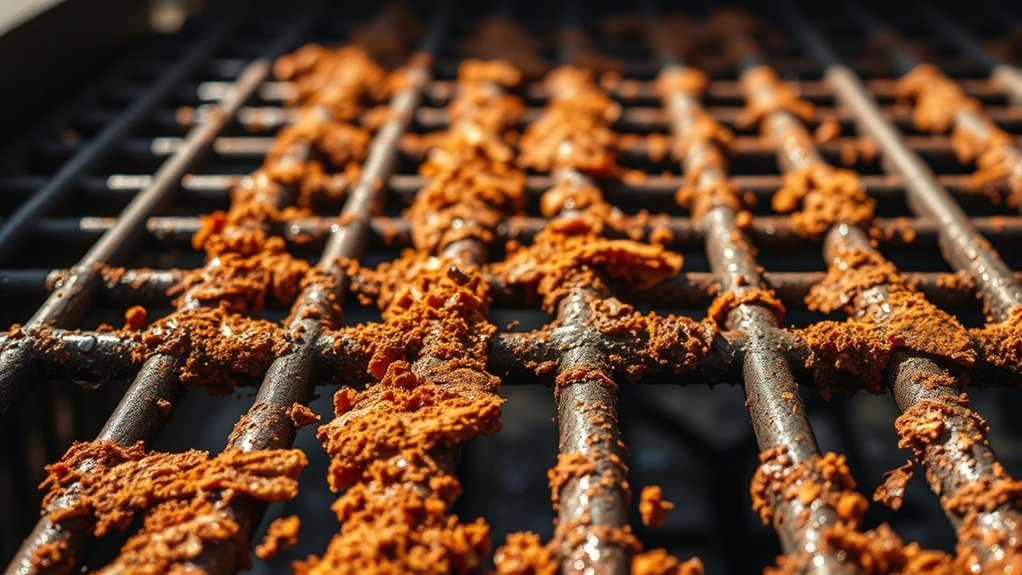
Although you might not notice it right away, rust forms on grill grates because of prolonged exposure to moisture and oxygen. When your grill sits outside, rain, humidity, or even washing with water leaves the metal wet. Oxygen then reacts with the iron in the grates, leading to oxidation—what you see as rust.
If you don’t dry or oil the grates after use, this process speeds up. Plus, leftover food particles and grease can trap moisture, creating an ideal environment for rust to develop. Even stainless steel grates aren’t completely immune, as scratches or damage can expose iron beneath the surface.
Understanding why rust forms helps you take steps to protect your grill and keep it working well for many cookouts to come.
Can You Really Burn Rust Off Grill Grates?
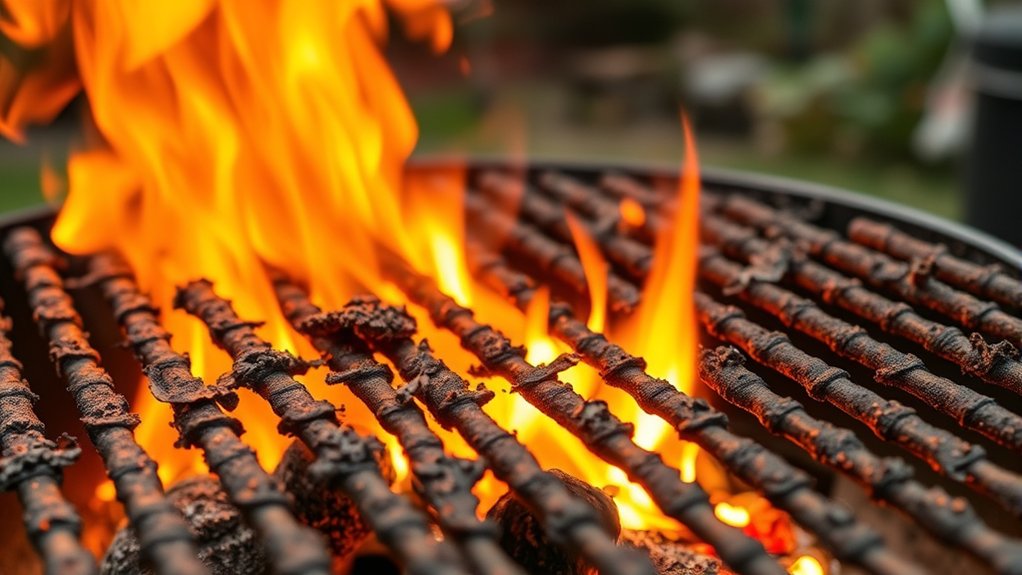
While high heat can remove some surface rust from grill grates, you can’t rely on burning rust off completely. The intense heat might burn away loose flakes, but it won’t restore deeply embedded rust or prevent further corrosion. Rust forms when moisture reacts with the metal, creating a layer that heat alone can’t fully eliminate.
If you try to burn it off, you risk damaging the grates or creating uneven cooking surfaces. Instead, you’ll need to combine heat with proper cleaning methods, like scrubbing and seasoning, to effectively manage rust. So, while burning rust off can help with minor surface issues, it’s not a reliable standalone solution for keeping your grill grates in good shape.
How to Burn Off Light Rust on Grill Grates
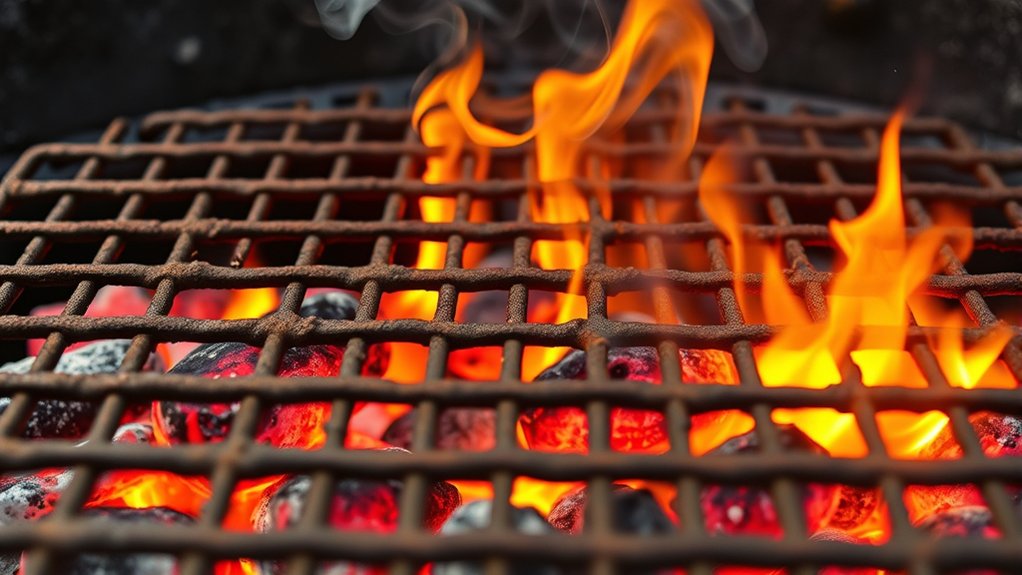
Before you start burning off light rust, make sure your grill is clean and prepped properly. You’ll want to use high heat to effectively burn away rust without damaging the grates.
Afterward, following some simple maintenance tips will help keep rust from coming back.
Preparing Grill For Cleaning
If you notice light rust on your grill grates, you can burn it off by heating the grates thoroughly before cleaning. First, remove any loose debris or food particles with a grill brush or scraper. This helps expose the rusty spots and prevents buildup during heating.
Next, make sure your grill is in a well-ventilated area and free from flammable materials nearby. Open the grill lid and check the gas connections or charcoal placement to confirm safe operation.
Finally, close the lid and prepare to ignite the grill, allowing it to reach the necessary temperature to burn off the rust. These steps set you up for an effective cleaning process while keeping safety a priority.
Using High Heat Effectively
Once your grill grates have heated thoroughly, you can use high heat to effectively burn off light rust. Turn your grill to the highest setting and close the lid for 10-15 minutes. This intense heat will oxidize and loosen rust particles, making them easier to scrub away.
After heating, use a stiff wire brush to scrape off the residue. Repeat if necessary until the grates look clean.
| Step | Action |
|---|---|
| 1 | Preheat grill on high |
| 2 | Close lid, heat for 10-15 min |
| 3 | Open lid and brush grates |
| 4 | Inspect for remaining rust |
| 5 | Repeat heating and brushing if needed |
Post-Cleaning Maintenance Tips
Although burning off rust helps restore your grill grates, maintaining them properly afterward prevents rust from returning quickly. After cleaning, coat the grates with a thin layer of cooking oil while they’re still warm; this creates a protective barrier against moisture. Store your grill in a dry, covered area to minimize exposure to rain and humidity.
Regularly preheat your grill before cooking to burn off any residue and moisture buildup. After each use, scrub the grates with a grill brush to remove food particles that can trap moisture and promote rust. Finally, consider seasoning your grates periodically by applying oil and heating them, much like cast iron cookware.
These simple steps keep your grill grates rust-free and ready for your next barbecue.
When Heat Alone Can’t Remove Rust
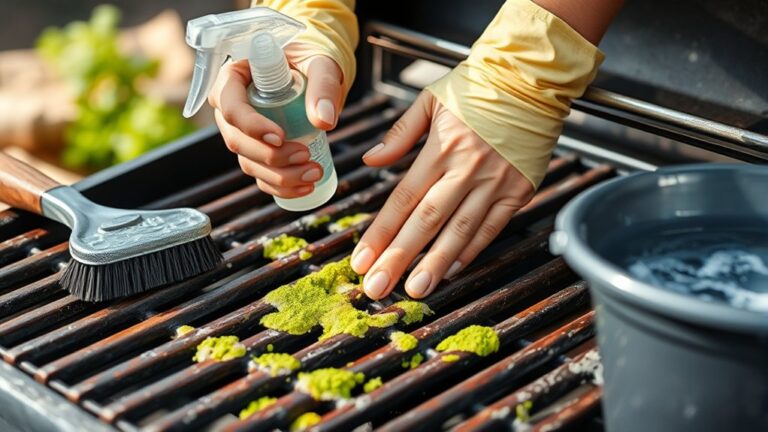
When heat alone doesn’t remove rust from your grill grates, it’s time to try additional methods. Rust can sometimes bond tightly to the metal, making high temperatures ineffective. You’ll want to start by scrubbing the grates with a wire brush or steel wool to physically remove the flaky rust.
If that’s not enough, apply a mixture of baking soda and water or white vinegar to the rusted areas. Let it sit for 10-15 minutes before scrubbing again. These mild acids break down rust without harming the metal.
Afterward, rinse thoroughly and dry completely to prevent further corrosion. Combining mechanical scrubbing with chemical treatments works best when heat alone falls short, ensuring your grill grates get clean and ready for your next cookout.
How High Heat Affects Rust on Grill Grates
You might think cranking up the heat will burn rust off your grill grates, but it’s not that simple. High temperatures can weaken rust, but they rarely remove it entirely.
Let’s look at how heat really affects rust and what you can expect when using temperature to tackle it.
Heat Impact on Rust
Since rust forms from iron reacting with moisture and oxygen, applying high heat to your grill grates can change its structure but won’t completely eliminate it. When you heat rust, it can cause the iron oxide to flake off or become brittle, loosening the rusty layer. However, the heat doesn’t reverse the chemical reaction that created the rust in the first place.
Instead, it alters the outer appearance and texture. You might notice some discoloration or a change in the rust’s consistency after heating, but the underlying corrosion remains. So, while high heat impacts the rust physically, it doesn’t restore the metal underneath.
To properly handle rust, you’ll need additional cleaning or maintenance beyond just heating the grates.
Effectiveness of High Temperature
How effective is high heat at dealing with rust on grill grates? High temperatures can help loosen rust and burn off some surface corrosion, but they won’t completely remove stubborn rust. When you crank up the heat, the rust might flake off, making it easier to scrub away afterward.
However, high heat alone won’t restore the metal’s integrity or stop rust from returning.
Here’s what high heat does to rust on grill grates:
- Burns off loose rust particles
- Helps loosen stubborn rust for easier cleaning
- Can discolor or damage grates if overheated
- Doesn’t eliminate deep or pitted rust
Signs Your Rusted Grill Grates Are Unsafe to Use
Although some surface rust on grill grates can be cleaned off, certain signs indicate they may no longer be safe to use. If you notice deep pits or flaking metal, that’s a strong warning. These areas weaken the grates and can cause pieces to break off into your food.
Also, if the rust covers a large portion of the grate, it’s best to replace them rather than risk contamination. Another red flag is if the grates crumble or feel fragile when you handle them. This means corrosion has compromised their integrity.
Easy Ways to Test Rust Damage on Grill Grates
You can start by visually inspecting your grill grates for rust spots and discoloration. Next, run your fingers over the surface to feel for rough or flaky areas.
Finally, heat your grill to see how the rust reacts—if it flakes off easily, the damage might be severe.
Visual Rust Inspection
Wondering whether that reddish layer on your grill grates is just surface rust or something more serious? Visual rust inspection is a quick way to assess the damage before deciding on cleaning methods. Start by looking closely at the color and spread of the rust.
Here are some easy checks you can do:
- Check if the rust is flaky or powdery, which indicates deeper corrosion.
- Look for pitting or holes that suggest the metal is weakening.
- Notice if the rust covers large areas or just small spots.
- Observe any discoloration changes beyond the typical reddish-brown, like black or green hues.
These signs will help you determine if your grill grates need more than just a simple burn-off to restore their usability.
Surface Texture Test
When evaluating rust damage on grill grates, feeling the surface texture can reveal more than just a visual inspection. Run your fingers gently over the grates to detect rough or flaky areas where rust has eaten away the metal. If the texture feels uneven, pitted, or powdery, it indicates deeper corrosion that simple cleaning might not fix.
Smooth or only slightly rough spots suggest surface rust, which you can usually scrub off. Be cautious: if the metal feels weak or crumbles under light pressure, the rust has severely compromised the grate’s integrity. This tactile test helps you decide whether to clean the grates thoroughly or consider replacing them.
Always wear gloves to protect your hands from sharp rust flakes during this inspection.
Heat Reaction Check
Although visual and tactile inspections reveal much about rust damage, testing how the grates react to heat offers a practical way to assess their condition. When you heat your grill grates, observe how the rust behaves—this can tell you if the damage is superficial or deeper.
Here’s how to perform a simple heat reaction check:
- Preheat the grill to a high temperature for 10-15 minutes.
- Watch for flaking or crumbling rust particles falling off.
- Check if the rusted areas change color or texture under heat.
- Use a wire brush after heating to see if rust easily scrapes away.
If rust flakes off easily and exposes solid metal, you can clean and reuse the grates. But if the rust remains stubborn or the metal feels weak, it might be time for replacement.
Best Tools to Scrub Rust Before Heating
Before you heat your grill, you’ll want to tackle the rust with the right tools to guarantee a thorough clean. Start with a stiff wire brush, which is perfect for scraping off loose rust and debris. If you have a lot of buildup, consider using steel wool or a scouring pad to get into tighter spots.
For stubborn rust, a scraper or putty knife can help break it up without damaging your grates. Always wear gloves to protect your hands while scrubbing. Avoid using overly abrasive tools like sandpaper that can scratch the metal excessively.
Once you’ve removed as much rust as possible, wipe the grates down with a damp cloth to clear away any residue before moving on to heating.
How to Season Grill Grates After Rust Removal
Once you’ve removed rust from your grill grates, seasoning them properly helps restore their protective coating and prevents future corrosion. Here’s how you can do it:
- Clean the grates thoroughly with warm, soapy water and dry them completely.
- Apply a thin layer of high-smoke-point oil (like vegetable or canola oil) evenly over the grates.
- Preheat your grill to a medium-high temperature and place the grates inside.
- Let the grates heat for about 30 minutes, allowing the oil to polymerize and form a durable, non-stick surface.
This process seals the metal, making it less prone to rust and easier to clean later. Repeat seasoning regularly to maintain your grill grates in prime condition.
Preventing Rust on Grill Grates: Storage Tips
Seasoning your grill grates helps protect them from rust, but how you store them also plays a big role in keeping rust at bay. To prevent moisture buildup, always store your grill in a dry, covered area. If possible, remove the grates and keep them indoors during off-seasons.
Use a grill cover to shield the entire grill from rain and humidity. Here’s a quick guide to storage tips:
| Storage Method | Benefits | Tips |
|---|---|---|
| Indoor Storage | Keeps dry, temperature controlled | Clean grates before storing |
| Covered Outdoor | Protects from rain | Use a waterproof cover |
| Elevated Storage | Avoids ground moisture | Store on shelves or hooks |
| Ventilated Space | Prevents condensation | Ensure airflow around grates |
| Regular Inspection | Early rust detection | Check monthly for signs of rust |
Protective Coatings to Keep Rust Away From Grill Grates
Although proper storage helps reduce rust, applying protective coatings directly to your grill grates offers an extra layer of defense against corrosion. These coatings create a barrier that prevents moisture and air from reaching the metal surface, keeping rust at bay.
You can choose from several effective options to protect your grill grates:
- High-heat cooking oil: Season grates by coating with oil and heating to form a protective layer.
- Food-safe grill sprays: Designed to prevent rust without affecting flavor.
- Silicone-based sprays: Provide long-lasting moisture protection but check for food safety.
- Rust-resistant paint: Use only heat-resistant varieties formulated for grills.
Applying these coatings regularly helps maintain your grill grates’ condition and extends their lifespan.
How Often to Clean and Inspect Grill Grates
To keep your grill grates in top shape, you should clean and inspect them regularly. After every use, scrub the grates with a grill brush to remove food residue and prevent rust buildup. Deep clean your grates at least once a month by soaking them in warm, soapy water and scrubbing away stubborn grime.
If you grill frequently, consider inspecting your grates weekly for signs of rust or damage. Catching rust early makes it easier to remove and prevents it from spreading. Always dry the grates thoroughly after cleaning to avoid moisture that causes rust.
Regular maintenance not only ensures better-tasting food but also extends the life of your grill grates, keeping your cooking experience safe and enjoyable.
When to Replace Rusty Grill Grates Instead of Cleaning
When rust on your grill grates becomes deep or widespread, cleaning may no longer be enough to restore them. At this point, it’s smarter to replace the grates to guarantee safe and efficient grilling.
You should consider replacing your rusty grill grates if:
- The rust has caused pitting or structural damage.
- Scrubbing removes surface rust, but it quickly returns.
- The grates flake or crumble when cleaned.
- You notice uneven heating or food sticking excessively.
Replacing rusty grates prevents contamination and maintains cooking performance. Don’t risk your health or food quality by sticking with damaged grates.
Investing in new grates will save you time and frustration, keeping your grill ready for many great cookouts.
Frequently Asked Questions
Can Rust on Grill Grates Affect Food Flavor?
Yes, rust on grill grates can affect your food’s flavor by giving it a metallic or unpleasant taste. You’ll want to clean or replace rusty grates to keep your meals tasting fresh and safe.
Is It Safe to Use Chemical Rust Removers on Grill Grates?
You wouldn’t trust a stranger with your secret recipe, so don’t trust chemical rust removers on grill grates—they often leave residues that can be harmful.
Instead, stick to natural scrubbing and seasoning methods for safety.
How Long Does It Take for Rust to Develop on Grill Grates?
Rust can start developing on grill grates within a few days to weeks, especially if they stay wet or aren’t cleaned properly.
You’ll want to dry and oil them regularly to prevent rust from forming quickly.
Can Rust on Grill Grates Cause Health Problems?
Sure, you can feast on iron flakes if you want—rust won’t poison you but might mess with taste and texture. Still, it’s smarter to ditch rust for clean, safe grilling that won’t leave you “flaky.”
Are Cast Iron Grates More Prone to Rust Than Stainless Steel?
Yes, cast iron grates are more prone to rust than stainless steel because they lack chromium, which prevents corrosion. You’ll need to season cast iron regularly and keep it dry to avoid rust forming.
Conclusion
You might wonder if burning rust off grill grates really works. While high heat can remove light rust, it won’t fix deep corrosion or protect your grates long-term. If rust’s stubborn, you’ll need more than just fire—scrubbing and seasoning help more.
To keep your grill ready, store it dry, apply protective coatings, and clean regularly. Remember, sometimes replacing rusty grates is the safest choice to enjoy a great cookout. Proper grill maintenance and knowing how to remove rust safely are key to extending the life of your grill grates.