How to Do Induction Cooktops Make Noise and How to Reduce It
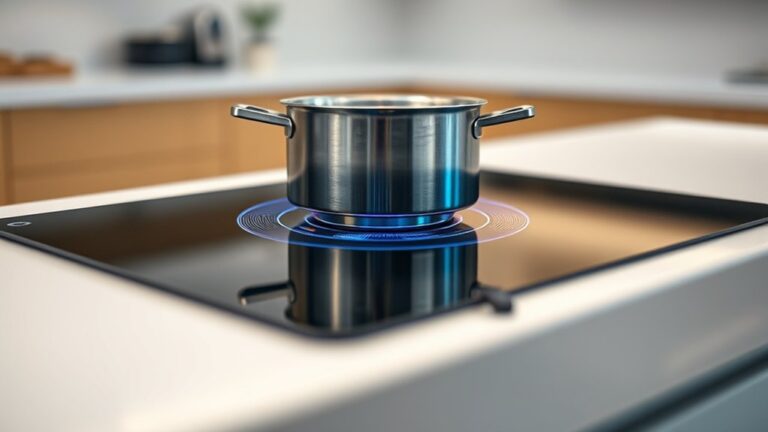
Induction cooktops make noise due to the electromagnetic fields they generate, which cause your cookware to vibrate. This vibration produces buzzing, humming, or clicking sounds during cooking.
Additionally, internal fans create a faint whirring noise as they work to cool the unit.
You can reduce noise by using compatible, flat-bottomed magnetic cookware that fits well on the cooktop surface. Keeping your induction cooktop clean and well-maintained also helps minimize unwanted sounds.
Choosing models specifically designed for quieter operation can further enhance your cooking experience.
Understanding why these sounds occur and how your cookware affects noise levels is key. With the right knowledge and tools, you can enjoy a much quieter cooking environment with your induction cooktop.
Key Takeaways
- Induction cooktops generate buzzing or humming due to electromagnetic vibrations in compatible cookware. Clicking or ticking sounds occur during power adjustments and from high-frequency electromagnetic pulses. Using flat, magnetic-bottom cookware reduces vibrations and rattling noises significantly.
- Regular maintenance and cleaning prevent loose components and fan noise from worsening. Selecting models with good build quality and low decibel ratings minimizes operational noise.
Why Do Induction Cooktops Make Noise?
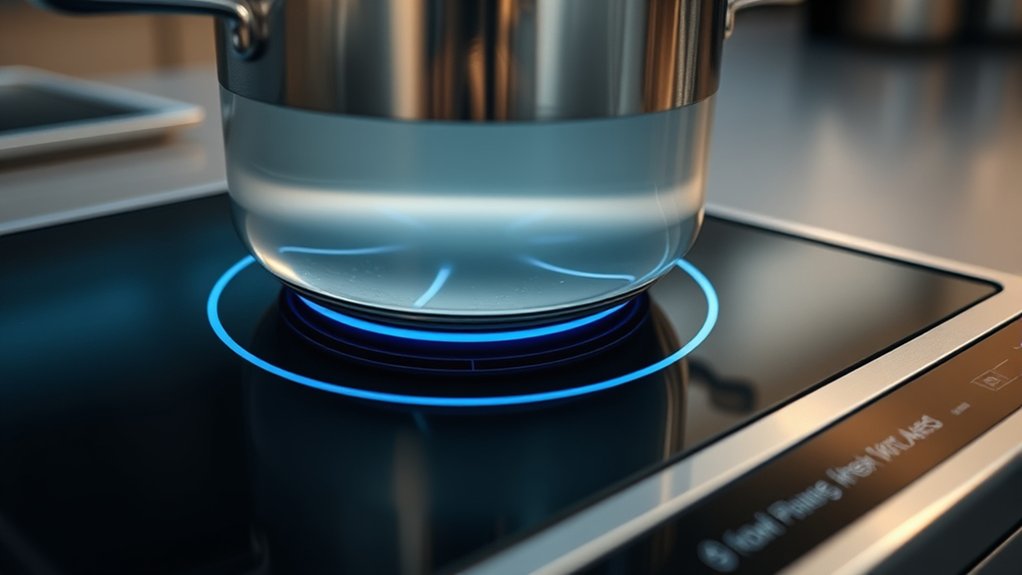
Although induction cooktops are known for their efficiency and speed, you might notice some noise when using them. This happens because induction cooktops use electromagnetic fields to heat your cookware directly, which can cause vibrations. Those vibrations create sounds you can hear.
The noise usually comes from the fan inside the cooktop that cools the electronics, or from the cookware itself vibrating against the cooktop surface. You might also hear sounds due to the interaction between the induction coil and the metal in your pots or pans. Keep in mind that the noise level can vary depending on the cookware’s material and thickness.
Understanding why your cooktop makes noise helps you troubleshoot and find ways to reduce it effectively.
What Types of Noises Do Induction Cooktops Make?
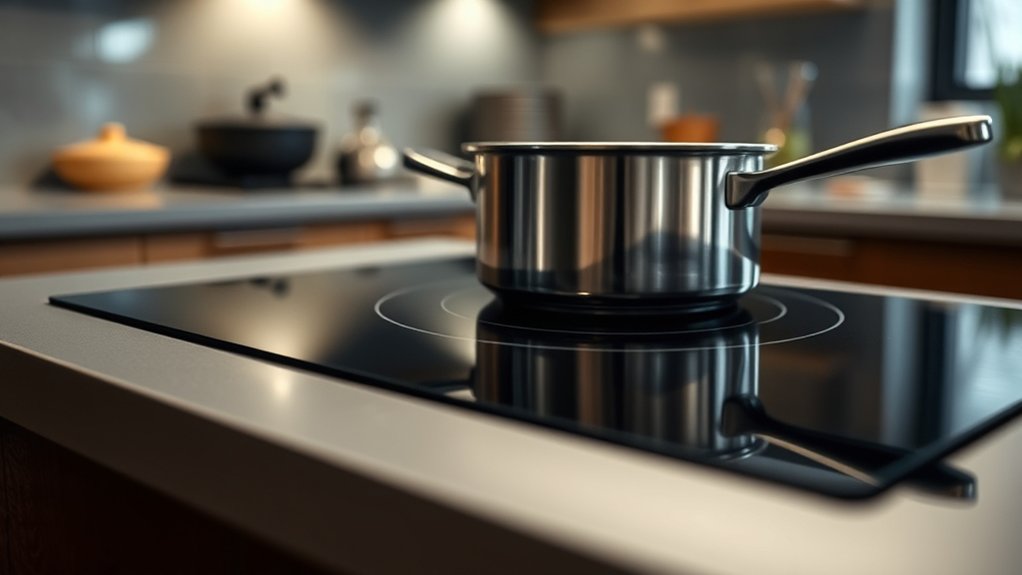
When you use an induction cooktop, you might notice different types of noises depending on how it’s operating. One common noise is a buzzing or humming sound, especially at higher power settings. This happens as the cooktop’s coils generate a magnetic field.
You may also hear clicking or ticking noises when the cooktop adjusts power levels or turns on and off. Some models produce a faint whirring or fan noise, which comes from internal cooling fans working to keep the unit from overheating.
Additionally, if your cookware isn’t compatible or sits unevenly, it might cause rattling or vibrating sounds. Recognizing these noises can help you identify normal operation versus potential issues, making your cooking experience smoother and less distracting.
How Induction Cooktop Technology Causes Noise
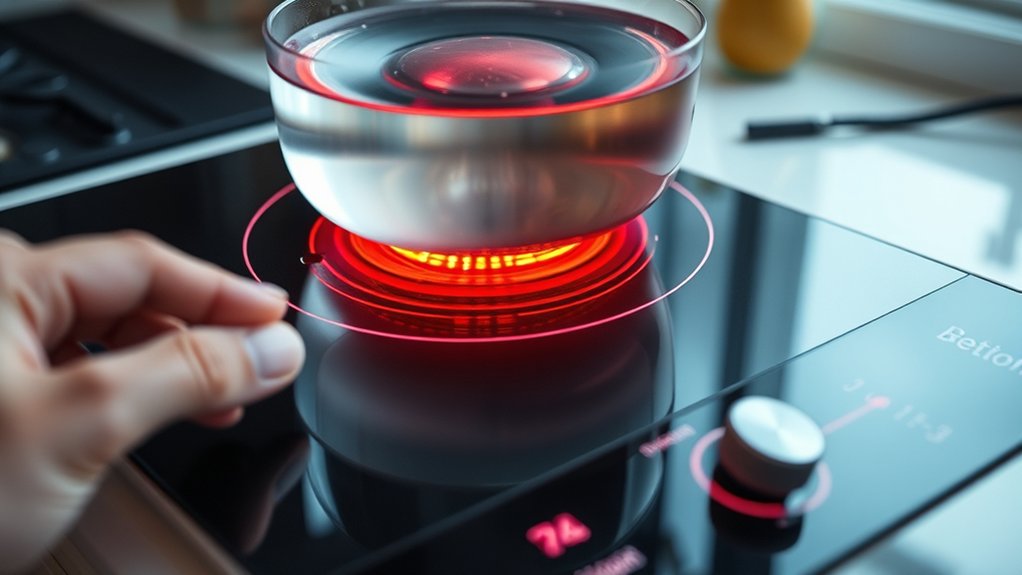
Because induction cooktops rely on electromagnetic fields to heat your cookware, they inherently produce certain noises during operation. The cooktop generates a rapidly alternating magnetic field that induces electrical currents in the pot or pan. These currents create heat but also cause tiny vibrations in the cookware and sometimes in the cooktop’s components.
You’ll often hear a humming or buzzing sound from this interaction. Additionally, the internal cooling fan kicks in to prevent overheating, adding to the noise. Some models use high-frequency pulses in the electromagnetic field, which can create a faint clicking or whining sound.
While these noises are normal, understanding that they stem from the core heating mechanism can help you accept them as part of how induction technology works.
Which Cookware Materials Make the Most Noise?
Different cookware materials interact with induction cooktops in unique ways, which affects the noise levels you’ll hear during cooking. Some materials tend to produce more buzzing or humming sounds than others. Here are the top three to watch out for:
- Stainless Steel: If it’s thin or has a layered base, it can vibrate more and cause louder noise.
- Aluminum: Since aluminum isn’t magnetic, it often needs a magnetic base, which can create extra noise due to imperfect contact.
- Cast Iron: It’s generally quieter but can produce a low-frequency hum if it doesn’t sit flat.
Choosing cookware with a solid, magnetic base can help minimize these sounds and make your cooking experience more peaceful.
How Cookware Size and Shape Affect Induction Cooktop Noise
While cookware material plays a big role in noise levels, the size and shape of your pots and pans can also impact the sounds your induction cooktop makes. If your cookware is too small for the burner, the magnetic field may not be evenly distributed, causing vibrations that lead to buzzing or humming.
On the other hand, oversized cookware might overlap multiple burners, creating uneven heating and noise. The shape matters too—flat-bottomed pans maintain consistent contact with the cooktop surface, reducing rattling. Bowls or warped pans can cause gaps, increasing noise.
Simple Ways to Reduce Buzzing, Humming, and Clicking
You can cut down on buzzing and humming by choosing cookware made from materials that work well with your induction cooktop. Adjusting the cooktop settings to match your cooking needs also helps reduce noise. Don’t forget to keep the ventilation clear to prevent excess clicking sounds.
Adjust Cookware Material
If your induction cooktop is making buzzing, humming, or clicking noises, the type of cookware you’re using could be the cause. Induction cooktops rely on magnetic materials, so using the right cookware can reduce unwanted sounds.
Here’s how to adjust your cookware material to minimize noise:
- Choose ferromagnetic cookware: Use pots and pans made from cast iron or magnetic stainless steel, as they work best with induction and produce less noise.
- Avoid thin or warped bases: Thin or uneven cookware vibrates more, increasing noise levels. Opt for thicker, flat-bottomed pans for stability and quiet operation.
- Test your cookware: If a magnet sticks firmly to the base, the cookware is induction-compatible and likely to cause less noise.
Optimize Cooktop Settings
Although induction cooktops are designed for efficiency, certain settings can cause buzzing, humming, or clicking noises during use. You can minimize these sounds by fine-tuning your cooktop’s power levels and temperature settings. Lower power levels often reduce noise but may increase cooking time.
Avoid sudden temperature changes, which can trigger clicking noises as the system adjusts.
Here’s a quick guide to optimize your cooktop settings:
| Setting Adjustment | Effect on Noise |
|---|---|
| Lower power level | Reduces buzzing and humming |
| Gradual temperature changes | Minimizes clicking |
| Avoid max power for long periods | Prevents excessive noise |
| Use preset cooking modes | Balances efficiency and quietness |
Maintain Proper Ventilation
Proper ventilation plays a crucial role in reducing the buzzing, humming, and clicking sounds from your induction cooktop. When your cooktop overheats, its fan works harder, causing louder noise. You can keep things quieter by ensuring good airflow around the unit.
Here’s how:
- Clear Obstructions: Remove any objects blocking the ventilation slots on and around your cooktop.
- Use Exhaust Fans: Turn on your kitchen’s exhaust or range hood to help dissipate heat quickly.
- Allow Space: Make sure there’s enough clearance between your cooktop and nearby walls or cabinets for air to circulate freely.
When Should You Worry About Induction Cooktop Noises?
You’ll usually hear some buzzing or humming from your induction cooktop, and that’s completely normal. But if the noise suddenly gets louder, changes tone, or if you notice clicking that seems off, it’s time to pay attention.
These signs could mean there’s an issue that needs fixing before it gets worse.
Identifying Normal Noise Levels
When your induction cooktop makes noise, it’s important to know which sounds are normal and which signal a problem. You’ll usually hear some sounds as part of its regular operation.
Here are three common noise types that are typically normal:
- Buzzing or humming: This happens when the cooktop generates the magnetic field; it’s a sign it’s working properly.
- Clicking sounds: You might hear clicks as the temperature sensors or controls activate, which is standard.
- Fan noise: Induction cooktops use fans to keep components cool, so low-level fan noise is expected.
If the noises fit into these categories and don’t change suddenly or become louder, you likely don’t need to worry about your cooktop’s performance.
Signs of Potential Issues
While some noises from your induction cooktop are normal, certain sounds can signal a problem that needs your attention. If you hear loud buzzing, rattling, or grinding noises that don’t go away, it’s time to investigate. These unusual sounds might mean the fan is malfunctioning or that internal components are loose.
Also, if the noise changes suddenly or becomes more intense, don’t ignore it. Another warning sign is inconsistent heating paired with unusual noises, which could indicate coil or electronic issues. If your cooktop shuts off unexpectedly and makes strange noises, it’s best to stop using it until a professional checks it out.
Paying attention to these signs helps you avoid bigger repairs and keeps your cooktop running smoothly.
How Regular Maintenance Helps Keep Noise Down
Although induction cooktops are designed to operate quietly, regular maintenance plays an essential role in keeping noise levels low. By taking care of your cooktop, you prevent issues that cause rattling, buzzing, or humming sounds.
Here’s how you can maintain it effectively:
- Clean the Surface and Vents: Dust and food debris can block vents, causing the cooling fan to work harder and louder. Wipe the surface and clear vents regularly.
- Check Cookware Compatibility: Using the right pots ensures stable magnetic coupling, reducing unusual noises.
- Inspect for Loose Parts: Tighten screws and ensure components are secure to avoid vibrations.
Following these steps helps your induction cooktop run smoothly and quietly, enhancing your cooking experience without annoying distractions.
Tips for Choosing a Quieter Induction Cooktop
When shopping for an induction cooktop, check the noise level specifications to find quieter models. You’ll also want to take into account the build quality and materials, as sturdier construction often means less vibration and sound.
Taking these factors into consideration helps you choose a cooktop that fits your quiet kitchen needs.
Noise Level Specifications
Because noise levels vary between models, you should check the specifications before buying an induction cooktop. Manufacturers often list decibel (dB) ratings, which give you a clear idea of how loud a unit might be during operation. To pick a quieter cooktop, consider these points:
- Look for decibel ratings below 50 dB—these tend to be quieter and less distracting.
- Check user reviews for real-world noise feedback, since specs alone don’t tell the whole story.
- Compare noise levels across different power settings, as higher heat may increase noise.
Build Quality Materials
Since the materials used in an induction cooktop directly affect its noise output, choosing units with high-quality build components can make a noticeable difference. Look for cooktops built with sturdy, well-damped materials like thick glass-ceramic surfaces and solid metal frames. These materials help absorb vibrations and reduce buzzing sounds.
Avoid models with cheap plastic parts, as they tend to amplify noise. Also, check for well-secured coils and insulated components inside the cooktop; these minimize rattle and humming. When shopping, prioritize brands that highlight their use of durable, noise-reducing materials in product descriptions or reviews.
Safe Practices to Minimize Electrical Clicking Noises
Although electrical clicking noises from induction cooktops can be normal, you can take practical steps to reduce their occurrence and intensity. First, always use cookware that’s compatible with your cooktop—pots and pans with flat, magnetic bottoms ensure proper contact and minimize unnecessary noise.
Second, keep your cooktop clean; debris or spills between the cookware and surface can cause irregular sounds. Third, avoid using multiple high-power settings simultaneously, as this can increase electrical noise.
Frequently Asked Questions
Can Induction Cooktops Interfere With Other Electronic Devices?
Yes, your induction cooktop can sometimes interfere with nearby electronics due to electromagnetic fields. To reduce this, keep devices at a distance and avoid placing sensitive equipment directly on or near the cooktop while it’s operating.
This helps minimize potential disruptions and ensures your other devices function properly. Always be mindful of the placement of electronic devices when using the induction cooktop.
Are There Health Risks Associated With Induction Cooktop Noise?
You don’t need to worry about health risks from induction cooktop noise. The sounds are usually low-level and harmless, so they won’t affect your hearing or overall health in any significant way.
How Energy Efficient Are Induction Cooktops Compared to Gas Stoves?
You’ll find induction cooktops about 84% energy efficient, far outperforming gas stoves at roughly 40%. This means you’ll save energy and cook faster, making induction a smarter, eco-friendly choice for your kitchen.
Do Induction Cooktops Require Special Electrical Installations?
Yes, induction cooktops usually require special electrical installations, like a dedicated circuit and proper voltage.
You’ll want a licensed electrician to guarantee your wiring handles the load safely, preventing any electrical issues or hazards.
Can Induction Cooktop Noises Indicate a Malfunction or Safety Hazard?
Yes, unusual induction cooktop noises can signal malfunctions or safety hazards. If you hear loud buzzing, clicking, or grinding, you should stop using it and have a professional inspect it to avoid damage or injury.
Conclusion
Induction cooktops can make noises, but understanding why helps you keep things running smoothly. By choosing the right cookware and maintaining your cooktop regularly, you’ll nip most sounds in the bud before they become a problem.
Remember, a little noise is just the price of efficiency, but if it feels off, don’t ignore it. With these tips, you’ll have a quieter cooking experience that’s music to your ears.
Reducing induction cooktop noise involves using compatible pots and pans, ensuring a clean cooktop surface, and checking for loose parts. Proper maintenance and mindful use are key to minimizing induction cooktop noise and enhancing your cooking efficiency.