Can You Use Olive Oil on Cutting Boards? Here’s What to Know
Keeping your cutting board in great shape is essential for both hygiene and longevity. You might wonder if olive oil is a good choice for maintaining and conditioning your wooden cutting board. After all, olive oil is a kitchen staple known for its natural properties and versatility.
But is it really the best option to keep your cutting board from drying out or cracking? Understanding the right oils to use can save you from sticky situations and ensure your board stays safe and durable. Let’s explore whether olive oil is a smart pick for your cutting board care routine.
Understanding Olive Oil and Its Uses
Olive oil is a popular kitchen staple with distinct varieties and applications. Knowing its types and common uses helps determine if it suits conditioning your cutting board.
Types of Olive Oil
You encounter several types of olive oil, including:
- Extra Virgin Olive Oil: Comes from the first pressing of olives; high in antioxidants and flavor; not refined.
- Virgin Olive Oil: Slightly lower quality than extra virgin; obtained by cold pressing.
- Refined Olive Oil: Undergoes chemical processes to remove impurities; milder flavor.
- Olive Pomace Oil: Extracted from olive pulp using solvents; lowest grade and often blended.
Each type varies in stability and composition, which affects its performance outside culinary use.
Common Uses in the Kitchen
You use olive oil mainly for:
- Cooking: Sautéing, frying, and roasting due to its moderate smoke point.
- Dressings and Marinades: Adds flavor in salad dressings and marinades.
- Finishing Oil: Drizzled over dishes for taste enhancement.
While olive oil excels in food preparation, its chemical properties, especially its tendency to oxidize and become sticky over time, influence its effectiveness as a cutting board conditioner.
Can You Use Olive Oil on Cutting Boards?
Olive oil often comes up as a potential conditioner for wooden cutting boards. Understanding its properties, benefits, and risks helps you decide if it fits your board care routine.
Properties of Olive Oil Relevant to Cutting Boards
Olive oil contains unsaturated fats that oxidize when exposed to air. This oxidation leads to rancidity and stickiness over time. You find variations like extra virgin, virgin, and refined olive oil differing mainly in flavor, acidity, and stability. Its natural antioxidants help delay spoilage but don’t fully prevent it. Unlike mineral oil, olive oil is organic and biodegradable but lacks long-term stability required for cutting board maintenance.
Potential Benefits of Using Olive Oil on Cutting Boards
Olive oil temporarily nourishes and seals wooden surfaces, enhancing their appearance. You can use it to restore luster and provide short-term moisture, reducing the chance of cracking. Its accessibility and pleasant scent make it an attractive option for quick conditioning. Applying olive oil after cleaning can complement your board’s upkeep by maintaining some hydration in the wood.
Risks and Drawbacks of Using Olive Oil on Cutting Boards
Olive oil’s tendency to oxidize causes sticky residue and rancid smells that attract bacteria. You risk accelerating wood deterioration instead of protecting it. You should avoid olive oil if you want a hygienic, durable finish since it polymerizes poorly and doesn’t penetrate deeply. Over time, olive oil can darken the wood unevenly, resulting in patchy discoloration. Mineral oil and specialized cutting board oils offer safer, longer-lasting conditioning without these unwanted effects.
Alternatives to Olive Oil for Cutting Board Maintenance
Choosing the right oil protects and extends the life of your cutting board. Several alternatives outperform olive oil in preventing dryness and damage while maintaining hygiene.
Mineral Oil
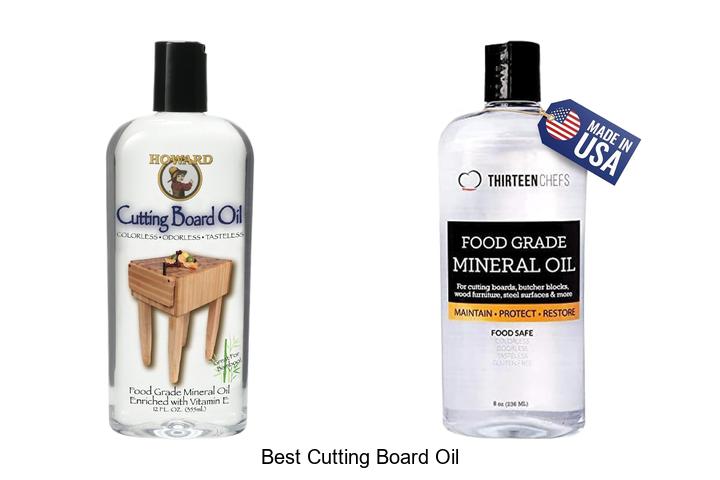
Mineral oil remains the top choice for cutting board conditioning. It penetrates wood without oxidizing, ensuring no sticky residues or rancid odors develop. Since it’s food-grade and non-toxic, mineral oil keeps your board safe for food preparation. Apply mineral oil regularly to maintain moisture and prevent cracking or warping.
Beeswax and Other Natural Oils
Beeswax mixed with natural oils creates a durable, water-resistant finish. This combination seals the wood surface more effectively than oil alone. Popular natural oils include coconut oil and walnut oil, but avoid vegetable oils prone to rancidity. The beeswax-oil mixture protects against moisture infiltration and bacterial growth, enhancing the board’s longevity and cleanliness.
How to Properly Maintain and Condition Cutting Boards
Maintaining and conditioning your cutting board preserves its integrity and hygiene. You optimize its lifespan by following effective cleaning and oiling practices.
Cleaning Techniques
Clean your cutting board immediately after use to prevent bacterial growth. Use hot water and mild dish soap, scrubbing with a soft sponge or brush. Avoid soaking the board in water or placing it in the dishwasher, as excessive moisture causes warping and cracking. Rinse thoroughly and dry the board upright or in a well-ventilated area to ensure complete drying. For deep cleaning, sprinkle coarse salt or baking soda over the surface and rub with a halved lemon, then rinse and dry. This method removes odors and disinfects without damaging the wood.
Oiling and Conditioning Tips
Apply food-safe mineral oil to your cutting board monthly or when the wood looks dry. Pour a moderate amount onto the surface, spreading evenly with a clean cloth or paper towel. Allow the oil to soak in for several hours or overnight, then wipe off any excess. Using mineral oil prevents oxidation and sticky residues common with olive oil. For added protection, combine mineral oil with beeswax to create a water-resistant barrier. Apply this mixture similarly, ensuring the board remains hydrated and sealed against moisture and bacteria. Regular conditioning maintains the board’s hardness and reduces cracking, keeping it functional and safe for food preparation.
Conclusion
You want your cutting board to stay in great shape and safe for food prep. While olive oil might seem like a natural choice, its tendency to oxidize and leave sticky residues makes it less than ideal. Instead, using mineral oil or a beeswax and oil blend will give your board better protection and longer-lasting results.
Regular cleaning and conditioning with the right products help prevent cracks, odors, and bacterial growth. By choosing the proper care routine, you’ll keep your cutting board looking fresh and functioning well for years to come.