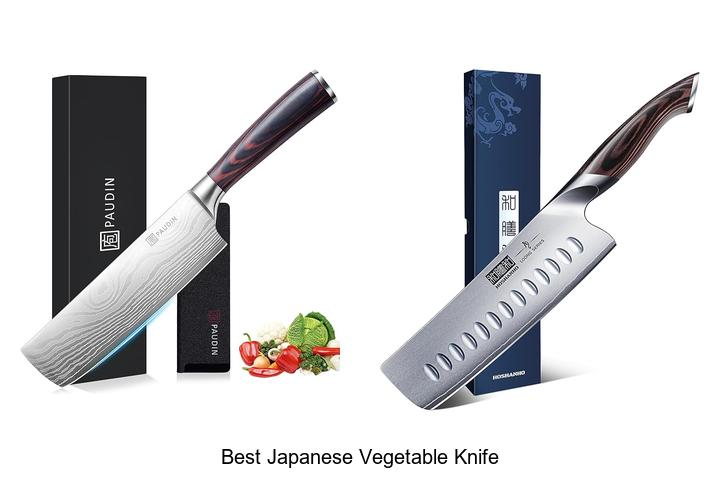
Discover The Best Japanese Vegetable Knife For Perfect Cuts!
When precision meets craftsmanship, the choice of a blade becomes paramount—especially in the realm of vegetable preparation where sharpness, balance, and blade geometry directly impact performance. The best Japanese vegetable knife embodies a unique fusion of traditional forging techniques and modern steel alloys, offering exceptional edge retention and unparalleled control.
Characterized by its thin, lightweight design and acute bevel angles, these knives are engineered to glide through vegetables with minimal resistance, preserving texture and flavor. Understanding the distinctions between different types such as Nakiri and Usuba knives, along with their specific steel composition and handle ergonomics, can transform your culinary experience. Exploring the nuances behind the best Japanese vegetable knife unveils a world of precision and artistry that few other kitchen tools can rival.
Discover the Ultimate Tools for Precision and Elegance in Your Kitchen
| Image | Product | Price |
|---|---|---|
Our Selected 1  | PAUDIN Nakiri Knife – 7″ Razor Sharp Meat Cleaver and | Buy Now |
Our Selected 2 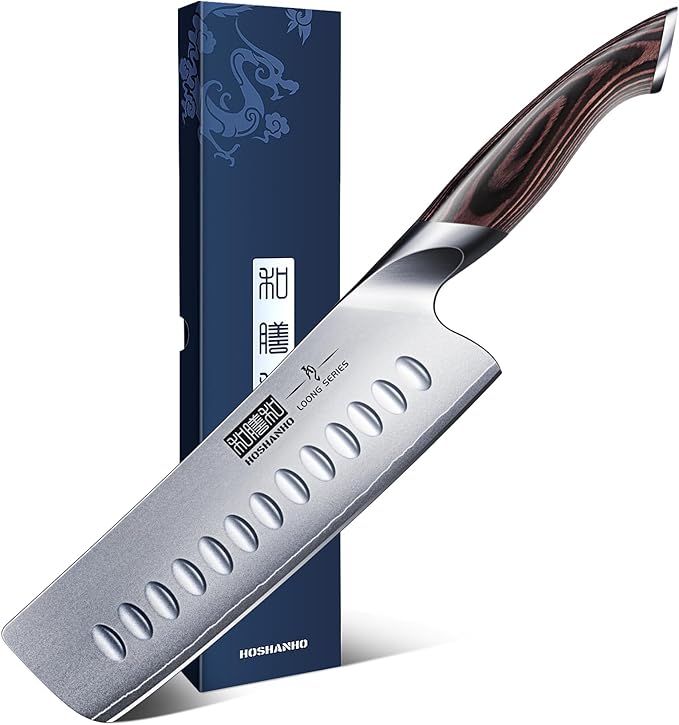 | HOSHANHO 7 Inch Nakiri Knife, Japanese High Carbon Stainless Steel | Buy Now |
Our Selected 3 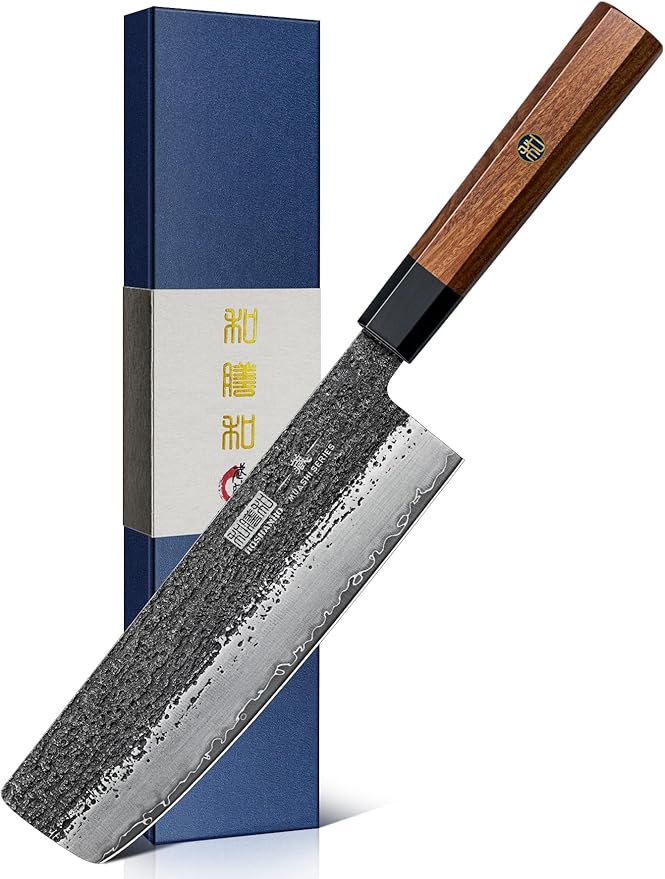 | HOSHANHO 7 Inch Nakiri Knife, Japanese High Carbon Steel Vegetable | Buy Now |
1. PAUDIN Nakiri Knife – 7″ Razor Sharp Meat Cleaver and
Experience precision and versatility in your kitchen with the PAUDIN Nakiri Knife, a 7-inch razor-sharp cleaver designed for all-purpose vegetable preparation. Its superb balance and stunning design make it an indispensable tool for effortless slicing, dicing, and chopping of meat and vegetables alike.
Crafted from durable 5Cr15Mov high carbon stainless steel with a hardness of 56+, the blade maintains an ultra-sharp edge for clean cuts. Featuring an ergonomic pakkawood handle, this forged knife ensures comfortable grip and excellent control. The distinctive wave pattern reduces food sticking and simplifies cleaning, enhancing every cooking experience.
Pros
- Exceptional sharpness and durability with high-quality stainless steel blade
- Ergonomic pakkawood handle provides comfortable, balanced control
- Unique wave pattern minimizes food friction and eases maintenance
Cons
- Not dishwasher safe; requires hand washing for longevity
Offering excellent value at $45, the PAUDIN Nakiri Knife combines sharpness, comfort, and striking aesthetics, making it a reliable choice for both amateur cooks and seasoned chefs alike. Compared to similar Japanese vegetable knives, it stands out for its balance of quality and affordability.
2. HOSHANHO 7 Inch Nakiri Knife, Japanese High Carbon Stainless Steel
Discover exceptional precision and craftsmanship with the HOSHANHO 7 Inch Nakiri Knife, a top-tier Japanese vegetable knife designed for effortless slicing and dicing. Perfectly blending traditional techniques with modern materials, this versatile tool elevates your kitchen experience whether you’re preparing delicate vegetables or hearty meals.
Expertly forged from Japanese 10Cr15CoMoV high carbon stainless steel, the blade boasts a razor-sharp 15-degree edge angle polished by hand for unmatched cutting performance. The ergonomic pakkawood handle ensures comfort and balance, while the scalloped blade reduces sticking, making it the ideal choice for professional chefs and home cooks alike.
Pros
- Ultra-sharp 15-degree blade angle for precise and effortless cuts
- Durable high carbon stainless steel with 60HRC hardness ensuring long-lasting sharpness
- Ergonomic pakkawood handle minimizes fatigue and provides a secure grip
Cons
- Not dishwasher safe, requiring hand washing for maintenance
Combining sharpness, durability, and ergonomic design, the HOSHANHO Nakiri Knife offers exceptional value at a competitive price. It stands out among similar kitchen knives for its balance of craftsmanship and performance, making it a reliable tool for everyday culinary tasks.
3. HOSHANHO 7 Inch Nakiri Knife, Japanese High Carbon Steel Vegetable
Experience precision and durability in your kitchen with the HOSHANHO 7 Inch Nakiri Knife, crafted for vegetable preparation excellence. Combining traditional Japanese design with advanced steel technology, this knife ensures clean, effortless cuts, making it an essential tool for both professional chefs and home cooking enthusiasts.
Forged from high carbon 10Cr15CoMoV steel with a 9-layer composite design, the Nakiri blade delivers exceptional sharpness and edge retention. Its straight, squared-off profile excels at down-chopping dense vegetables, while the ergonomic rosewood octagonal handle provides a comfortable, secure grip that resists moisture and corrosion during extended kitchen use.
Pros
- Superior durability and edge retention thanks to cryogenically treated 10Cr15CoMoV high carbon steel core.
- Ergonomic, moisture-resistant rosewood handle with balanced weight for improved control during chopping.
- Distinctive stonewashed and hammered Tsuchime finish reduces food sticking and adds elegant Japanese styling.
Cons
- Requires hand washing and prompt drying to maintain optimal condition; not dishwasher safe.
Combining professional-grade materials with thoughtful design, the HOSHANHO 7 Inch Nakiri Knife stands out among similar Japanese vegetable knives by offering exceptional sharpness, durability, and comfort at a competitive price. Ideal for anyone seeking reliable, precise performance in vegetable preparation.
4. KAWAHIRO Japanese Nakiri Knife, 7 Inch Handcrafted VG10 High Carbon
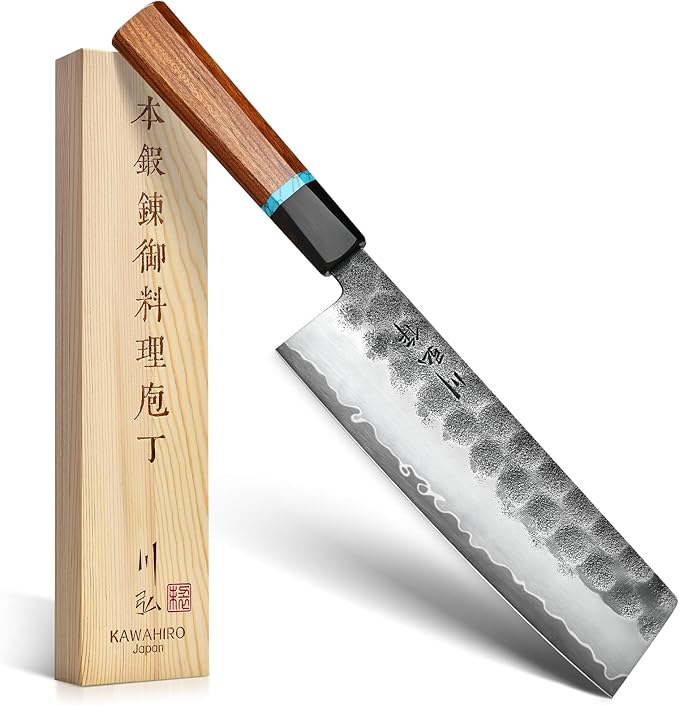
Experience unmatched precision in vegetable preparation with the KAWAHIRO Japanese Nakiri Knife. Handcrafted from premium VG10 high carbon steel, this 7-inch blade delivers effortless slicing, dicing, and julienning, making it an essential tool for chefs and home cooks seeking professional-quality performance in every cut.
Combining traditional Japanese craftsmanship with modern materials, the Nakiri features a razor-sharp blade hammered by expert artisans and sharpened on wet stones for lasting edge retention. Its ergonomic ruby wood handle infused with turquoise and ebony offers superb balance and comfort, ensuring controlled, fatigue-free chopping sessions.
Pros
- Superior VG10 high carbon steel blade with samurai-grade 62 HRC hardness for exceptional durability and sharpness.
- Hand-sharpened using traditional wet stone techniques for precise, long-lasting cutting performance.
- Ergonomic handle crafted from ruby wood, turquoise, and ebony provides excellent grip and balance.
Cons
- Lacks a dedicated wooden sheath for safer storage and transport.
Combining artistry and functionality, the KAWAHIRO Nakiri Knife offers professional-grade precision ideal for vegetable mastery. While it stands out among similar Japanese vegetable knives for its craftsmanship and balance, including a wooden sheath would enhance its convenience. Overall, it is a luxurious yet practical addition for your kitchen.
5. KYOKU Samurai Series – Nakiri Japanese Vegetable Knife 7″ –

Experience precision and comfort with the KYOKU Samurai Series Nakiri Japanese Vegetable Knife 7. Engineered for serious home cooks and professional chefs alike, this knife delivers unmatched sharpness and balance, redefining efficiency in vegetable preparation with traditional Japanese craftsmanship.
Crafted from ultra-sharp cryogenically treated steel with an HRC rating of 56-58, the 7-inch Nakiri boasts exceptional edge retention and durability. Its ergonomic, narrow, and slightly curved blade design reduces hand fatigue during extended use. The triple-riveted Pakkawood handle offers resistance to moisture and temperature changes, while the hollow edge blade enhances slicing precision and corrosion resistance.
The triple-riveted Pakkawood handle offers resistance to moisture and temperature changes, while the hollow edge blade enhances slicing precision and corrosion resistance. Included protective sheath ensures safe storage and longevity.
Pros
- Exceptional sharpness and edge retention from cryogenically treated alloy steel
- Ergonomically designed blade and handle reduce fatigue during prolonged use
- Durable triple-riveted Pakkawood handle resistant to heat, cold, and moisture
Cons
- Minor discoloration near the blade bolster which may concern some users
Offering remarkable value at an accessible price point, the KYOKU Samurai Nakiri elevates vegetable slicing with a combination of traditional Japanese design and modern material science. A versatile and reliable choice that competes well against more expensive counterparts, making it a smart addition to any kitchen arsenal.
6. Yoshihiro VG10 46 Layers Hammered Damascus Nakiri Japanese Vegetable Knife

Experience precision and elegance with the Yoshihiro VG10 46 Layers Hammered Damascus Nakiri Japanese Vegetable Knife, a masterfully crafted tool designed to elevate your kitchen expertise. Combining traditional Japanese craftsmanship with modern performance, this knife is ideal for effortless vegetable preparation and fine slicing.
Forged with a VG10 stainless steel core surrounded by 46 layers of hammered Damascus steel, the blade offers exceptional sharpness and durability. Its double-edged, flat nakiri-style design ensures smooth, clean cuts through vegetables, while the octagonal rosewood handle provides ergonomic comfort and a secure grip.
The included natural magnolia wood saya sheath protects the blade and enhances its aesthetic appeal.
Pros
- Superior sharpness and edge retention thanks to VG10 core and 46-layer Damascus construction
- Ergonomic octagonal rosewood handle for comfortable, slip-resistant use over extended prep sessions
- Unique hammered blade texture minimizes food sticking and enhances cutting efficiency
Cons
- Requires careful maintenance such as hand washing and sharpening with water whetstones to preserve edge quality
Combining unmatched craftsmanship with functional design, the Yoshihiro Nakiri knife stands out among kitchen cutlery. It suits both professional chefs and home cooks seeking precision and durability, making it a worthy investment that surpasses many competitive vegetable knives in performance and aesthetic appeal.
7. HOSHANHO Cleaver Knife 7 Inch, Ultra Sharp Japanese High Carbon

Experience precision and durability with the HOSHANHO Cleaver Knife 7 Inch, a premium kitchen essential crafted from ultra-sharp Japanese high carbon stainless steel. Perfectly balanced for comfort and control, this versatile cleaver excels in effortlessly slicing meat, fish, and vegetables with expert accuracy.
Forged from 10Cr15CoMoV Japanese steel, the blade boasts a 15° cutting angle on each side and a hardness rating of 58+2 HRC, ensuring exceptional sharpness and long-lasting edge retention. Ergonomically designed Pakkawood handle reduces hand fatigue, making it suitable for both home cooks and professional chefs.
Pros
- Ultra-sharp blade with precision 15° edge angle for clean, accurate cuts
- High-quality Japanese 10Cr15CoMoV steel enhances durability and wear resistance
- Comfortable Pakkawood handle minimizes hand pressure during extended use
- Multi-functional design ideal for chopping vegetables, meat, and fish effortlessly
- Polished blade surface reduces food adhesion, simplifying cleaning and maintenance
Cons
- Not dishwasher safe, requiring hand washing for best longevity
For cooks seeking the best Japanese vegetable knife that combines precision, strength, and comfort, the HOSHANHO Cleaver Knife sets a new standard in kitchen performance and reliability. Its design and quality make it a valuable upgrade over generic knife sets.
8. imarku Chef Knife 7 Inch Kitchen Knife Ultra Sharp Santoku

Experience precision and durability in your kitchen with the imarku Chef Knife 7 Inch Ultra Sharp Santoku. Crafted from high carbon stainless steel, this versatile knife effortlessly handles chopping, slicing, dicing, and mincing, making it an essential tool for both home cooks and professional chefs.
Featuring a razor-sharp, hand-polished 5mm blade with a 15-18 degree edge angle, the Santoku’s hollow edge design minimizes food sticking for cleaner cuts. The ergonomic pakkawood handle ensures a comfortable, secure grip, reducing wrist tension during extended use and offering superior stability compared to traditional handles.
Pros
- Durable high carbon stainless steel blade resists rust and corrosion
- Hollow edge design prevents food from sticking for smooth slicing
- Ergonomic pakkawood handle provides comfort and superior grip
Cons
- Not dishwasher safe, requiring careful hand washing
Combining professional-grade sharpness with thoughtful ergonomics, the imarku Santoku knife stands out as an excellent choice for anyone seeking precise performance and lasting quality. Compared to similar kitchen knives, its design and material selection make it a reliable and valuable addition to your culinary toolkit.
9. Yoshihiro VG10 46 Layers Hammered Damascus Nakiri Japanese Vegetable Knife

Experience precision and elegance with the Yoshihiro VG10 46 Layers Hammered Damascus Nakiri Japanese Vegetable Knife. Crafted in Japan, this exceptional knife is designed for professional chefs and culinary enthusiasts seeking the perfect blend of sharpness, durability, and timeless beauty in vegetable preparation.
Forged with 46 layers of Damascus steel and a VG10 core, this Nakiri knife features a double-edged blade with a flat cutting edge that ensures smooth, flawless vegetable slicing. The lightweight octagonal Ambrosia wood handle offers ergonomic comfort and a secure grip, complemented by a traditional Saya wooden sheath for safe storage.
Pros
- Exceptional sharpness and edge retention with VG10 Damascus steel core.
- Ergonomic octagonal Ambrosia wood handle provides excellent control and comfort.
- Includes a handcrafted natural magnolia wood Saya sheath for protection and presentation.
Cons
- Requires careful hand washing and maintenance to preserve the blade’s quality.
Combining traditional Japanese craftsmanship with modern materials, the Yoshihiro Nakiri stands out among vegetable knives for its balance, sharpness, and aesthetic appeal. For those seeking the best Japanese vegetable knife, it offers premium performance and style that justifies every penny of its $169 price point.
10. MITSUMOTO SAKARI Nakiri Chef Knife 7 inch – Hand Forged

Discover precision and artistry with the MITSUMOTO SAKARI Nakiri Chef Knife 7 inch, a hand-forged Japanese vegetable knife that combines traditional craftsmanship with modern technology. Designed to deliver razor-sharp performance, it enhances your cutting experience by preserving the natural flavor and texture of vegetables.
Crafted from triple-layered 9CR18MOV high carbon steel, this Nakiri knife features an ultra-thin, finely honed blade that ensures precise, clean cuts. Its solid rosewood handle is ergonomically shaped for a balanced grip, reducing wrist fatigue and offering excellent control for effortless slicing and dicing.
Pros
- Hand forged using traditional Japanese techniques combined with advanced materials for exceptional durability.
- Ultra-thin, vacuum-cooled carbon steel blade promotes smooth cutting with excellent sharpness retention.
- Ergonomically designed octagonal rosewood handle reduces wrist tension and ensures a secure, comfortable grip.
Cons
- Not dishwasher safe, requiring hand washing to maintain blade integrity and handle quality.
Ideal for both seasoned chefs and passionate home cooks seeking precision and style, the MITSUMOTO SAKARI Nakiri stands out in quality and value among Japanese vegetable knives. Its blend of tradition, craftsmanship, and ergonomic design makes it a worthy addition to any kitchen arsenal.
Top Picks: Best Japanese Vegetable Knives for Precision Cutting
Intended use and specialty features
Choosing the best Japanese vegetable knife involves understanding the types of vegetables you typically prepare and the cutting techniques you prefer. Thin, precise slices for delicate vegetables like cucumbers or daikon are best achieved with knives designed for fine cutting, such as the usuba, which excels in creating paper-thin slices thanks to its single bevel edge.
For more everyday use, the nakiri offers a balanced and straight blade perfect for chopping and dicing a wide variety of vegetables with ease, making it a favorite among both beginners and experienced cooks. While specialty knives like the usuba and nakiri provide exceptional results for vegetables, some may prefer multifunctional knives that handle meats and vegetables alike, offering versatility but sometimes compromising on the precision that dedicated vegetable knives provide. Ultimately, selecting the right knife depends on whether you prioritize specialized cutting performance for vegetables or prefer a tool that can adapt to various kitchen tasks.
Blade material and construction
When choosing the best Japanese vegetable knife, paying attention to the blade material and construction is essential for ensuring excellent performance and longevity. Many quality knives feature steel types such as VG10, known for its balance of sharpness and corrosion resistance, carbon steel which offers superior edge retention but requires more maintenance to prevent rust, and stainless steel that provides ease of care and decent durability. Additionally, understanding the difference between forged and stamped blades can help in making an informed decision.
Forged blades are crafted from a single piece of steel, often resulting in better strength and edge retention, while stamped blades are cut from steel sheets and typically lighter and more affordable but may not last as long. Considering these factors influences how sharp the knife can become and how durable it will remain with regular use, making it easier to find a knife that fits your cooking style and care preferences.
Blade design and size
When selecting a best japanese vegetable knife, it’s important to consider the blade design and size to ensure it matches your cutting needs and comfort. Typically, vegetable knives have a blade length ranging from 5 to 7 inches, which provides an ideal balance between precision and versatility for slicing, dicing, and chopping various vegetables. The shape of the blade is often straight or slightly curved, allowing for smooth, clean cuts and easy maneuverability across different textures.
The shape of the blade is often straight or slightly curved, allowing for smooth, clean cuts and easy maneuverability across different textures. Many of these knives feature a single bevel edge, a hallmark of traditional Japanese craftsmanship, which enhances sharpness and enables more precise cuts but may require some practice for those new to it. Additionally, balance and weight play a crucial role in how the knife feels during use.
A well-balanced knife feels comfortable in the hand and reduces fatigue during extended chopping sessions, while the weight should be neither too light nor too heavy to maintain control without strain. Considering these factors will help you find a vegetable knife that not only performs well but also fits your personal cutting style and kitchen tasks seamlessly.
Sharpening and maintenance
When it comes to keeping your blade in top condition, understanding ease of sharpening different blade types is essential. Knives with harder steel, common in high-quality blades, tend to hold their edge longer but may require more attention during sharpening. Using recommended sharpening tools and techniques tailored to your blade, such as whetstones with the appropriate grit, ensures a precise and safe edge reconditioning process.
Additionally, proper cleaning and rust prevention are crucial to maintain the knife’s performance and longevity. Regularly drying the blade after use and avoiding prolonged exposure to moisture can significantly reduce the risk of rust.
By following these care practices, your cutting tool will remain sharp and efficient for years to come.
Price and brand reputation
When selecting the best japanese vegetable knife, it’s important to balance your budget with the quality and performance you expect in your kitchen tools. For those new to these knives or working with a limited budget, there are excellent entry-level options that offer sharp blades and durable construction without compromising on craftsmanship. On the other hand, premium knives often feature high-grade steel and exquisite finishing that enhance precision and longevity, making them a worthwhile investment for serious home cooks or professionals.
Trusted Japanese knife brands have built reputations over generations for delivering exceptional cutting instruments that marry tradition with innovation, so opting for a well-known maker can give you confidence in your purchase. Additionally, reviewing warranty and customer support policies can help ensure your investment is protected and that any issues can be resolved promptly, providing peace of mind alongside superior cutting performance.
Handle material and comfort
When considering the best japanese vegetable knife, the handle material and comfort play a critical role in ensuring a pleasant and efficient cutting experience. Common handle materials include wood, pakkawood, and resin, each offering unique advantages. Wooden handles tend to provide a traditional feel and natural grip, though they may require regular maintenance to prevent drying or cracking.
Pakkawood, a composite material, offers enhanced durability and resistance to moisture while maintaining an attractive appearance. Resin handles are known for their sleek look and excellent resistance to wear and water, often requiring less upkeep.
Ergonomics also matter greatly; a well-designed handle should fit comfortably in your hand, allowing for a secure grip to reduce fatigue during repetitive cutting tasks. It’s important to consider how the handle feels during extended use, as a comfortable grip promotes better control and safety.
Additionally, handle maintenance and durability should be factored in, since frequently using and washing the knife can affect longevity. Choosing a handle that balances comfort, grip, ease of maintenance, and durability will greatly enhance your overall experience with the best japanese vegetable knife.
People Also Asked
How Does A Japanese Vegetable Knife Differ From A Regular Kitchen Knife?
A Japanese vegetable knife, or Nakiri, features a straight, thin blade designed for precise, clean cuts of vegetables, unlike regular kitchen knives which often have a curved edge for rocking motions. It is typically lighter and sharper, allowing for easier slicing without crushing delicate vegetables.
How Do I Properly Care For And Maintain A Japanese Vegetable Knife?
To properly care for a Japanese vegetable knife, always hand wash it gently with mild soap and dry it immediately to prevent rust. Additionally, regularly hone the blade with a sharpening stone to maintain its sharpness and avoid using it on hard surfaces like bones or frozen foods.
What Features Should I Look For In The Best Japanese Vegetable Knife?
The best Japanese vegetable knife should have a sharp, high-quality steel blade for precise and clean cuts, along with a well-balanced, comfortable handle for easy control. Additionally, look for a lightweight design and a blade shape suited for your preferred cutting style, such as a nakiri or usuba.
Which Japanese Vegetable Knives Are Recommended For Professional Chefs?
Professional chefs often recommend Japanese vegetable knives such as the Nakiri and Usuba for their precision and sharpness. Brands like Shun, Masamoto, and Misono are highly regarded for producing high-quality blades favored in professional kitchens.
What Are The Best Japanese Vegetable Knives For Beginners?
The best Japanese vegetable knives for beginners are the Santoku and Nakiri knives, as they offer excellent balance, sharpness, and ease of use for precise slicing and chopping. Brands like Shun, Global, and Tojiro provide high-quality options that combine durability with beginner-friendly design.
Conclusion
In summary, the best Japanese vegetable knife combines exceptional sharpness, precision, and ergonomic design to enhance your culinary experience. Crafted with high-quality steel and traditional techniques, these knives offer superior control for slicing and dicing vegetables with ease.
Investing in one ensures durability and efficiency in your kitchen, making meal preparation both enjoyable and effortless.