Discover The Best Cutting Board For Japanese Knives Now!
The intricate geometry and exceptionally hard steel composition of Japanese knives demand a cutting surface that preserves their razor-sharp edges while providing optimal durability. Selecting the best cutting board for Japanese knives involves careful consideration of factors such as wood grain tightness, surface hardness, and moisture absorption to prevent premature blade dulling and potential warping.
Understanding the interplay between knife metallurgy and cutting board materials is crucial for maintaining performance and longevity. Delving deeper into these technical nuances will reveal which cutting boards truly complement the precision and craftsmanship of Japanese knives.
Discover the Ultimate Surfaces That Honor the Precision and Sharpness of Your Finest Blades
| Image | Product | Price |
|---|---|---|
Our Top Picks 1  | Shun Cutlery Large Hinoki Cutting Board, 17.75″ x 11.75″ Large | Check Price |
Our Top Picks 2  | Shun Hinoki Cutting Board – Medium – 15.75″ x 10.75″ | Check Price |
Our Top Picks 3 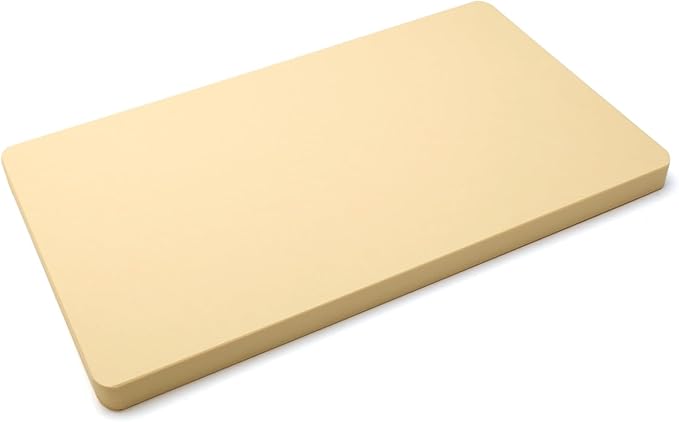 | Yoshihiro Hi Soft High Performance Professional Grade Cutting Board Japanese | Check Price |
1. Shun Cutlery Large Hinoki Cutting Board, 17.75″ x 11.75″ Large
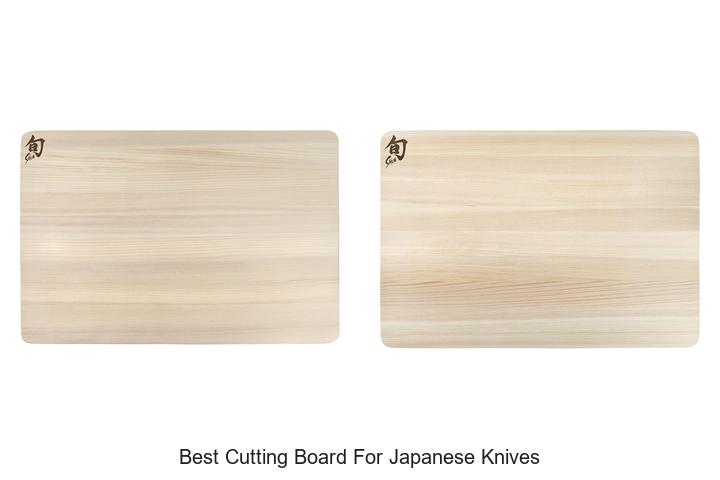
Experience the perfect harmony of traditional Japanese craftsmanship and modern functionality with the Shun Cutlery Large Hinoki Cutting Board. Crafted from premium hinoki wood, it offers a gentle yet durable surface designed to protect your knives while elevating your kitchen aesthetics.
Expertly made from forest-certified Japanese cypress, this large cutting board provides a medium-soft surface that preserves the sharpness of your blades. Its double-sided design offers versatility for prepping ingredients or serving charcuterie, combining beauty, sustainability, and practicality in one elegant kitchen essential.
Pros
- Medium-soft hinoki wood surface protects knife edges and enhances cutting precision
- Generous 17.75″ x 11.75″ size with reversible sides for food prep and serving versatility
- Certified sustainable material with a delicate natural fragrance, adding an authentic Japanese touch
Cons
- Requires hand washing and special care to maintain its natural beauty and prevent staining
Ideal for owners of fine Japanese knives seeking to maintain blade sharpness, the Shun Hinoki Cutting Board offers unmatched quality at a reasonable price point. Its balance of durability, elegance, and eco-friendly materials makes it an excellent upgrade over typical plastic or heavier hardwood boards.
2. Shun Hinoki Cutting Board – Medium – 15.75″ x 10.75″
Experience precision and care with the Shun Hinoki Cutting Board – Medium, crafted from premium Japanese cypress wood for an ideal slicing surface. Designed to protect your knives while enhancing your kitchen’s aesthetic, it offers a medium-soft texture that preserves blade sharpness and delivers exceptional durability in a compact size.
Made from sustainably sourced hinoki wood, this cutting board combines elegance with function. Its double-sided design suits various prepping tasks, while the natural resistance to stains and easy maintenance ensure lasting beauty. Handcrafted with traditional Japanese expertise, it perfectly complements high-quality knives for superior kitchen performance.
Handcrafted with traditional Japanese expertise, it perfectly complements high-quality knives for superior kitchen performance.
Pros
- Medium-soft hinoki wood surface preserves the sharpness of Japanese knives
- Double-sided design offers versatility for different cutting needs
- Lightweight and compact for easy handling and storage
Cons
- Requires gentle hand washing and specific care to maintain longevity
Offering a balanced blend of craftsmanship, quality materials, and thoughtful design, the Shun Hinoki Cutting Board is an excellent companion for preserving the integrity of your prized Japanese knives. Its reasonable price and superior performance make it a smart choice for serious cooks seeking both functionality and style.
3. Yoshihiro Hi Soft High Performance Professional Grade Cutting Board Japanese
Discover the perfect companion for your high-quality Japanese knives with the Yoshihiro Hi Soft High Performance Professional Grade Cutting Board. Engineered to preserve the sharpness of delicate blades, this medium-sized board offers exceptional durability and minimal wear on your knives, making it an essential kitchen tool for serious chefs.
Crafted from premium LDPE plastic, the Hi Soft cutting board provides an ideal balance of firmness and softness to protect your knife edges. Its non-porous, odor-resistant surface is easy to clean and built to last, available in multiple sizes to suit your kitchen needs. Made in Japan, this dual-sided board ensures reliable performance without compromising hygiene.
Made in Japan, this dual-sided board ensures reliable performance without compromising hygiene.
Pros
- Minimizes blade dulling by using a high-quality, soft synthetic material ideal for high carbon steel knives.
- Dual-sided design offers versatility and extended lifespan.
- Easy maintenance with odor resistance and dishwasher-safe cleaning recommended.
Cons
- Higher price point compared to standard cutting boards.
While the Yoshihiro Hi Soft board is an investment, it’s a cost-effective choice for preserving the sharpness and longevity of your valuable Japanese knives, outperforming harder boards and glass alternatives that quickly damage edges. This cutting board is a top pick for enthusiasts seeking both performance and protection in kitchen tools.
4. Yoshihiro Hi Soft High Performance Professional Grade Cutting Board Japanese

Experience the ultimate cutting surface designed specifically for high carbon steel Japanese knives with the Yoshihiro Hi Soft High Performance Cutting Board. Crafted in Japan with expert precision, it protects your blade’s edge while providing a user-friendly and hygienic chopping experience.
The Hi Soft board measures a generous 6 x
6 x 8 and is constructed from durable LDPE plastic that offers a gentle yet firm surface minimizing blade wear. Its non-porous, odor-resistant design facilitates easy cleaning and maintenance.
Available in multiple sizes, it’s the perfect choice to extend the life of your prized Japanese knives.
Pros
- Soft cutting surface reduces edge dulling and preserves blade sharpness for longer periods.
- Made from high-quality LDPE plastic that resists odors and allows effortless hand washing.
- Non-slip and stable on counters, enhancing safety and precision during use.
Cons
- Priced higher than common cutting boards, reflecting its specialty and professional-grade quality.
Investing in the Yoshihiro Hi Soft cutting board elevates your cutting experience by protecting your valuable Japanese knives. It offers superior edge retention and easy upkeep, making it a worthwhile addition for any serious culinary enthusiast seeking long-term knife care.
5. Asahi Cookin Cut Rubber Cutting Board, NE05102, Home Use, Made

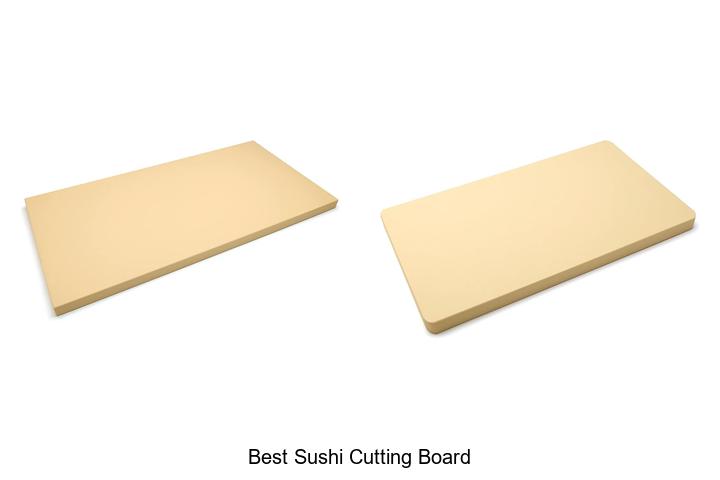
Discover superior cutting performance with the Asahi Cookin Cut Rubber Cutting Board, specially designed to maintain the sharpness of your valuable Japanese knives. Its premium synthetic rubber surface offers exceptional durability and stability, making it an essential kitchen companion for precision cutting tasks.
Crafted from high-quality synthetic rubber, this rectangular board measures 7 by
5 inches, providing a firm yet gentle surface that protects fine edges. Resistant to stains and easy to clean by hand wash, the non-porous material ensures hygienic food preparation for meats, fish, vegetables, and cheese alike.
Pros
- Exceptional blade-friendly surface preserves the sharpness of Japanese knives with 15-degree edge geometry.
- Non-porous and stain-resistant, preventing discoloration even after cutting fruits like mangoes.
- Stable rubber construction with a hard plastic core ensures a firm, slip-resistant cutting platform.
Cons
- Not recommended for use with serrated knives as they can leave noticeable scratches on the surface.
Balancing durability with knife care, the Asahi Cookin Cut Rubber Cutting Board stands out as a top choice for cooks owning premium Japanese knives. Compared to typical plastic or wooden boards, its specialized rubber surface offers superior edge preservation and stain resistance, making it an excellent investment for any kitchen.
6. Shun Cutlery Small Hinoki Cutting Board, 10.75″ x 8.25″ Small
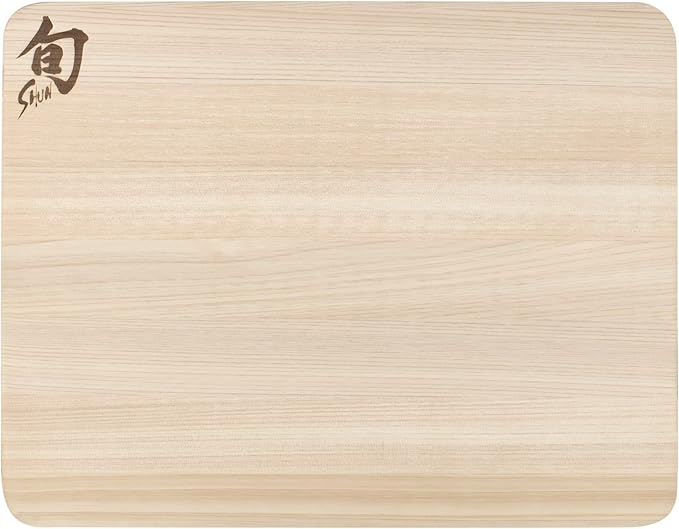
Discover the Shun Cutlery Small Hinoki Cutting Board, expertly crafted to provide the ideal surface for your Japanese knives. Its medium-soft hinoki wood preserves blade sharpness while offering durability and elegant design, making it a smart addition to any kitchen enthusiast’s cutting essentials.
Made from premium FSC-certified Japanese cypress, this compact 75 x 25 board features a double-sided layout for versatile use.
25 board features a double-sided layout for versatile use. The naturally fragrant wood gently cushions each cut, protecting delicate knife edges better than harder surfaces. Easy care instructions ensure lasting beauty and performance.
Pros
- Medium-soft hinoki wood preserves sharpness of Japanese knives effectively
- Compact and lightweight design facilitates easy handling and storage
- Double-sided surface enhances versatility for a variety of cutting tasks
Cons
- Smaller size may not suit large-scale food prep or heavy chopping needs
Offering balanced functionality, elegant craftsmanship, and careful attention to blade care, this cutting board stands out compared to heavier, pricier alternatives like teak options. It is an excellent choice for maintaining the integrity of your Japanese knives while adding a touch of traditional beauty to your kitchen.
7. Yoshihiro Hi Soft High Performance Professional Grade Cutting Board Japanese
Elevate your kitchen precision with the Yoshihiro Hi Soft High Performance Professional Grade Cutting Board, expertly crafted for Japanese knives. Designed to protect and prolong the sharpness of your blades, it offers a superior cutting surface unlike typical wooden or glass boards, making it a must-have for culinary enthusiasts.
Made from high-quality LDPE plastic, this cutting board minimizes stress on your hands and blades, ensuring better edge retention and durability. Its odor-resistant, easy-to-clean surface is available in multiple sizes to fit various kitchen needs, all manufactured in Japan with professional-grade quality and excellence.
Pros
- Protects knife edges effectively, helping maintain sharpness longer than wooden or glass boards.
- Soft yet durable LDPE plastic material reduces hand fatigue and impact on blades.
- Easy to clean with odor resistance; dishwasher-safe for convenient maintenance.
Cons
- Premium price point may be a consideration compared to standard cutting boards.
For those investing in high-quality Japanese knives, the Yoshihiro Hi Soft cutting board offers unmatched protection and longevity, making it a worthwhile addition to any kitchen setup. Its thoughtful design outperforms typical boards, ensuring your blades stay sharper and your prep work stays efficient.
8. Hinoki Cypress Reversible Wood Cutting Board, 17.3″ x 9.5″ x1″,

Experience the elegance and functionality of the Hinoki Cypress Reversible Wood Cutting Board, crafted from a single piece of premium Japanese cypress. Its natural fragrance and smooth surface offer an exceptional cutting experience, especially ideal for preserving the sharpness of your Japanese knives.
Made from 1-inch thick Hinoki wood, this durable board resists deformation and features a reversible design for versatile use. Its natural wood grain adds aesthetic appeal, while careful wood selection ensures high quality.
Pros
- Single-piece Hinoki wood construction avoids glued joints, enhancing durability and knife friendliness.
- Reversible design doubles usability, extending board life and versatility.
- Lighter weight compared to similar-sized bamboo boards, ensuring ease of handling and storage.
Cons
- Requires careful hand washing and periodic moistening to prevent stains and maintain condition.
For those seeking the best cutting board for Japanese knives, this Hinoki Cypress option stands out with its natural material, thoughtful design, and practical durability. Compared to other wooden or bamboo boards, it provides a unique balance of lightness and knife protection, making it a smart investment for any kitchen.
9. Hinoki Japanese Cypress Wood Cutting Board, Large

Discover the perfect companion for your Japanese knives with the Hinoki Japanese Cypress Wood Cutting Board, Large. Renowned for its exquisite scent and exceptional craftsmanship, this cutting board offers a gentle yet durable surface designed to keep your blades sharp and protected during every culinary task.
Crafted from premium Hinoki wood, known for its unique soft density, this board minimizes knife chipping and dulling. Its lightweight yet sturdy rectangular design measures 7 by
7 by 6 inches with a 1-inch thickness, making it ideal for slicing bread, cheese, meats, and vegetables while preserving your knife’s edge. Easy to maintain, simply hand wash and dry immediately to ensure longevity.
Pros
- Gentle on knives due to Hinoki wood’s soft yet durable texture, protecting blade sharpness
- Lightweight and sturdy, offering ease of handling without compromising stability
- Natural aromatic scent adds a pleasant sensory element to your kitchen experience
Cons
- Requires prompt hand washing and drying to maintain wood integrity; not dishwasher safe
For those seeking the best cutting board for Japanese knives, the Hinoki Japanese Cypress Wood Cutting Board merges aesthetic appeal with functional excellence. Its quality construction and user-friendly care make it a superior choice compared to harder, more abrasive boards that risk dulling expensive blades.
10. Kitchen Star Tsukihoshi Rubber Cutting Board Size L,Synthetic Rubber Cutting

Experience effortless food preparation with the Kitchen Star Tsukihoshi Rubber Cutting Board, specially designed to complement the precision of Japanese knives. Its durable synthetic rubber surface protects blade edges while providing a stable, hygienic platform for all your chopping needs.
Crafted from high-quality rubber, this cutting board is scratch-resistant and resists water absorption, ensuring no food residues linger. The ideal weight keeps ingredients steady, and dual-sided use marks simplify separating meat, fish, and vegetables.
Dishwasher-safe with proper care, it remains warp-free and durable through rigorous kitchen use.
Pros
- Soft impact surface minimizes knife wear, preserving sharpness for longer periods
- Non-porous material prevents bacteria buildup and drains efficiently due to minimal water absorption
- Clearly marked sides enable hygienic separation of different food types for safer cooking
Cons
- Higher price point compared to standard cutting boards
Overall, the Kitchen Star Tsukihoshi Rubber Cutting Board stands out as an excellent investment for users who value blade longevity and kitchen hygiene. Its thoughtful design and materials make it one of the best cutting boards for Japanese knives, offering superior protection and convenience beyond typical wooden or plastic boards.
Top Cutting Boards for Japanese Knives: Buyer’s Guide
Surface texture and hardness
When selecting the best cutting board for Japanese knives, it is important to consider how the board’s surface texture and hardness affect the performance and longevity of your blades. A cutting board that offers the right softness will help preserve the sharpness of Japanese knives, preventing them from dulling quickly after use.
Additionally, the board must resist knife marks and grooves since an overly soft or poorly constructed board will develop deep cuts, providing a breeding ground for bacteria and potentially damaging the knife edge. Balancing these factors ensures you choose a cutting board that not only protects your valuable knives but also supports efficient and enjoyable food preparation for home cooks and professional chefs alike.
Design features
When looking for the best cutting board for Japanese knives, it’s important to consider a board that not only preserves the sharpness of the blade but also ensures safety and practicality during use. Opt for cutting boards that come with nonslip feet or edges to prevent the board from slipping on your countertop, providing a stable cutting experience. Additionally, boards featuring juice grooves and efficient drainage systems help keep your workspace clean by catching liquids released from fruits, vegetables, or meats, which also helps reduce mess and improve hygiene.
Additionally, boards featuring juice grooves and efficient drainage systems help keep your workspace clean by catching liquids released from fruits, vegetables, or meats, which also helps reduce mess and improve hygiene. Choosing a reversible surface can add versatility, allowing you to use one side for cutting and the other for serving or preparing different types of food. These characteristics together make the cutting board a reliable and functional tool, perfectly complementing the precision that Japanese knives bring to your kitchen tasks.
Board thickness and size
When selecting the best cutting board for Japanese knives, paying close attention to the thickness and size can greatly enhance your cutting experience. The optimal thickness not only ensures stability but also adds durability, allowing the board to withstand repeated use without warping or cracking.
A thicker board tends to stay firmly in place, providing a safe and reliable surface that complements the precision of Japanese knives. Size is equally important, as it should be chosen based on the available kitchen space and the tasks you frequently perform. Larger boards offer more room for chopping and slicing, which is beneficial for handling bigger ingredients or preparing multiple items at once.
However, if your kitchen is limited in space or you often need to move the board around, a smaller, more portable option may be preferable. Balancing the weight of the board with your portability needs can make a significant difference in ease of use and storage.
Material compatibility
When searching for the best cutting board for Japanese knives, it is essential to consider how the board’s surface affects the delicate edges of these finely crafted blades. Japanese knives are known for their sharpness and precision, so choosing a board that preserves their edge retention is crucial.
Wooden cutting boards tend to be more forgiving on knife edges compared to plastic ones, as wood offers a softer yet durable surface that minimizes wear on the blade. Among wooden options, bamboo boards are popular due to their eco-friendly nature and antimicrobial properties; however, they can be slightly harder than traditional hardwoods, which might lead to faster blade dulling. Therefore, selecting a softer hardwood board like maple or cherry can provide a balanced surface that helps maintain the knife’s sharpness for longer periods.
Additionally, boards made from plastic are often easier to clean and dishwasher safe, but their harder surfaces could cause more frequent sharpening. Overall, a cutting board that combines durability with gentleness on the blade will enhance the performance and longevity of your Japanese knives, making culinary tasks smoother and more enjoyable.
Price and durability
When selecting the best cutting board for Japanese knives, it is important to find a balance between cost and quality to ensure you get the most value for your money. A cutting board that offers longevity and comes with a reliable warranty can provide peace of mind, as these features often indicate the manufacturer’s confidence in the product. Investing in value-added features such as non-slip surfaces or easy-to-clean materials can enhance your overall cutting experience and protect the delicate edges of your Japanese knives.
Considering these aspects will help you make an informed decision that complements the precision and craftsmanship of your knives while offering practical benefits in everyday kitchen use.
Maintenance and hygiene
Choosing the best cutting board for Japanese knives involves focusing on materials that complement the delicate and sharp edges these knives are known for. Soft woods like cedar or cypress, as well as high-quality hardwoods such as maple or walnut, provide a gentle surface that helps maintain the blade’s sharpness longer. These boards are ideal for slicing precise cuts in vegetables, fish, and meats, making them suitable for both home chefs and professionals who value precision.
When selecting a cutting board, it is helpful to consider the board’s thickness and size to ensure stability during use, as well as a smooth surface that won’t dull the knife.
Ease of cleaning and sanitizing should be a priority when picking a cutting board for Japanese knives. Boards made of natural wood often require a bit more attention, including regular oiling to prevent drying and cracking, as well as occasional sanding to keep the surface smooth and free from deep grooves where bacteria could hide. Unlike plastic boards that can be washed in a dishwasher, wooden boards are best cleaned by hand with mild soap and warm water, then thoroughly dried.
This care routine helps maintain resistance to bacteria and odors, preserving the board’s cleanliness and safety.
Resistance to bacteria and odors varies depending on the board’s material and maintenance. Wood has natural antimicrobial properties, but if not cared for properly, it may absorb odors and become prone to bacteria buildup. Regular oiling keeps the wood hydrated, reducing the risk of cracking and odor retention, while sanding can remove cuts and scratches that harbor bacteria.
Regular oiling keeps the wood hydrated, reducing the risk of cracking and odor retention, while sanding can remove cuts and scratches that harbor bacteria. Consistent care ensures the board remains safe and pleasant to use over time. For buyers looking for longevity and performance, investing effort into the upkeep of a quality wooden cutting board will provide the best experience when working with the precision of Japanese knives.
People Also Asked
What Type Of Cutting Board Is Best For Maintaining The Sharpness Of Japanese Knives?
A wooden cutting board, especially made from softwoods like cedar or cypress, is best for maintaining the sharpness of Japanese knives. These materials are gentle on the blade, preventing dulling and preserving its fine edge for longer.
Are Wooden Cutting Boards Better Than Plastic Ones For Japanese Knives?
Wooden cutting boards are generally better for Japanese knives because they are gentler on the blade, helping to maintain its sharpness and prevent damage. In contrast, plastic boards can be harder and may dull the knife more quickly.
Which Wood Types Are Most Suitable For Cutting Boards Used With Japanese Knives?
Hardwoods like maple, walnut, and cherry are most suitable for cutting boards used with Japanese knives because they provide a gentle surface that preserves the knife’s sharp edge. Additionally, end-grain boards made from these woods are especially recommended for durability and knife protection.
How Does The Hardness Of A Cutting Board Affect Japanese Knife Blades?
The hardness of a cutting board directly affects Japanese knife blades by influencing their sharpness and edge retention. Softer boards help preserve the delicate, hard steel edges of Japanese knives, while harder surfaces can cause quicker dulling and potential chipping.
What Are The Best Care Practices For Cutting Boards When Used With Japanese Knives?
The best care practices for cutting boards used with Japanese knives include regularly cleaning them with mild soap and water, avoiding harsh detergents or soaking to preserve the wood or material integrity. Additionally, using softer materials like wood or bamboo cutting boards helps maintain the sharpness and edge of Japanese knives by reducing wear.
Conclusion
Choosing the best cutting board for Japanese knives ensures your blades stay sharp and perform optimally. Ideal boards are made from soft, dense woods like maple or Hinoki, which protect delicate edges.
Avoid hard surfaces like glass or stone that can dull knives quickly. Investing in the right cutting board enhances precision, safety, and the longevity of your Japanese knives.