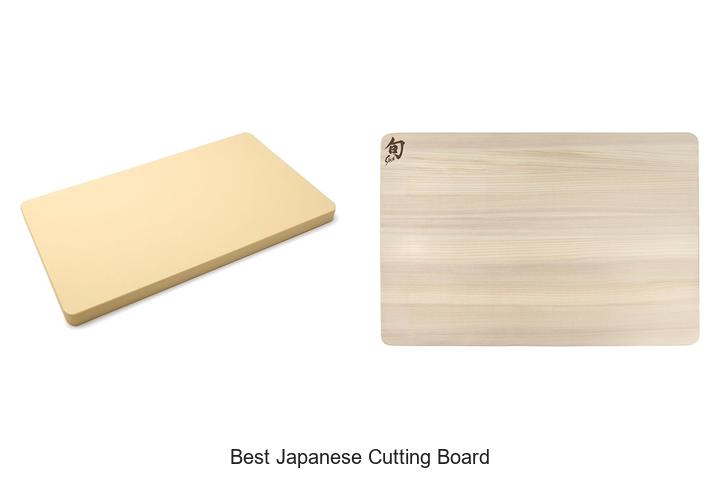
Best Japanese Cutting Board: Top Picks You Can’t Miss!
In the realm of culinary tools, the choice of cutting board plays a pivotal role in both precision and durability. Materials such as Hinoki cypress, known for its natural antimicrobial properties, and dense hardwoods contribute to optimal blade retention and ergonomic efficiency. When exploring the best Japanese cutting board options, factors like water resistance, grain tightness, and surface resilience become paramount.
When exploring the best Japanese cutting board options, factors like water resistance, grain tightness, and surface resilience become paramount. These boards are meticulously crafted to enhance cutting techniques, minimizing knife wear while providing a stable, non-slip surface. Understanding the subtle distinctions between traditional Japanese designs and modern innovations can significantly elevate your kitchen experience.
Delving deeper into this topic reveals how selecting the right cutting board impacts not only food preparation but also the longevity of your knives—making it a crucial consideration for any serious home chef or professional.
Craftsmanship Meets Function: Discover the Ultimate Surfaces for Precision Kitchen Prep
| Image | Product | Price |
|---|---|---|
Our Top Picks 1 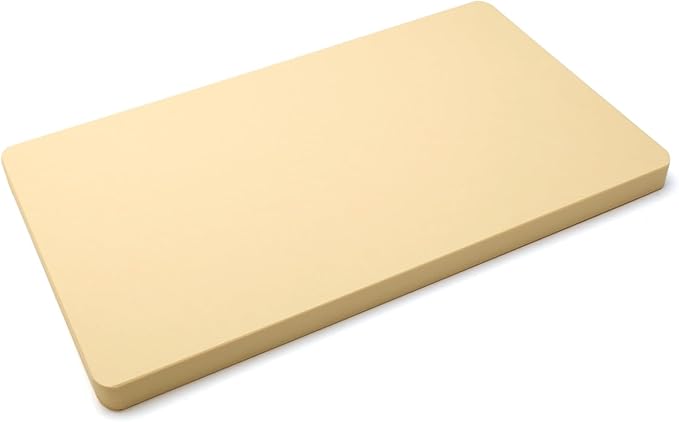 | Yoshihiro Hi Soft High Performance Professional Grade Cutting Board Japanese | Check Price |
Our Top Picks 2  | Shun Cutlery Large Hinoki Cutting Board, 17.75″ x 11.75″ Large | Check Price |
Our Top Picks 3  | Shun Hinoki Cutting Board – Medium – 15.75″ x 10.75″ | Check Price |
1. Yoshihiro Hi Soft High Performance Professional Grade Cutting Board Japanese
Experience culinary precision with the Yoshihiro Hi Soft High Performance Professional Grade Cutting Board, meticulously crafted in Japan. Designed to enhance the longevity and sharpness of your high carbon steel knives, it offers the ideal surface for chefs who demand quality and durability in their kitchen tools.
Constructed from premium LDPE plastic, this medium-sized board (3 x
8 x 8) provides a soft yet firm cutting surface that reduces blade stress and preserves edge retention. Its dual-sided design offers versatility, while being odor-resistant and easy to clean, ensuring hygienic meal prep every time.
Pros
- Protects knife edges better than hard wood or glass boards, extending blade life
- Ergonomic synthetic material minimizes hand fatigue during prolonged cutting tasks
- Non-slip surface stays firmly in place, enhancing safety and precision
Cons
- Premium price point may be higher than standard cutting boards
For professional chefs and home cooking enthusiasts who invest in quality knives, the Yoshihiro Hi Soft cutting board offers unmatched protection and durability. Its thoughtful design and material choice make it a smarter investment compared to conventional hardwood or glass alternatives, ensuring your blades stay sharp longer.
2. Shun Cutlery Large Hinoki Cutting Board, 17.75″ x 11.75″ Large
Discover the Shun Cutlery Large Hinoki Cutting Board, a beautifully crafted surface that perfectly complements high-quality knives. Its medium-soft hinoki wood preserves blade edges while offering a spacious work area, making it an essential addition to any culinary enthusiast’s kitchen.
Handmade from sustainable Japanese cypress, this 75 x
75 cutting board combines durability with natural fragrance and aesthetic appeal. Designed with double-sided use and ease of cleaning in mind, it transitions effortlessly from food prep to elegant serving for charcuterie or appetizers.
Pros
- Medium-soft hinoki wood helps maintain knife sharpness by gently “giving” during use
- Large double-sided design offers versatility for cutting and serving
- Forestry Stewardship Council certified, ensuring eco-friendly and sustainable sourcing
- Lightweight yet sturdy, making handling and storage effortless
- Natural antibacterial properties and subtle aroma enhance kitchen hygiene and ambiance
Cons
- Requires regular hand-washing and preventive care to maintain appearance and longevity
Combining traditional Japanese craftsmanship with thoughtful design, the Shun Large Hinoki Cutting Board is an excellent investment for anyone seeking to protect their knives while enhancing their kitchen experience. Compared to teak or synthetic boards, its lightweight nature and gentle cutting surface stand out as notable advantages.
3. Shun Hinoki Cutting Board – Medium – 15.75″ x 10.75″
Discover unparalleled precision and care with the Shun Hinoki Cutting Board – Medium. Expertly crafted from premium Japanese hinoki wood, this board provides an ideal cutting surface that protects your knives while adding a touch of elegance to your kitchen.
Made from sustainable, Forest Stewardship Council-certified hinoki wood, the board’s medium-soft texture helps preserve knife edges by gently giving as you cut. This reversible, medium-sized board offers excellent versatility for slicing fruits, vegetables, and more while remaining compact for easy storage and maintenance.
Pros
- Gentle on knives due to medium-soft hinoki wood, extending blade life
- Lightweight and compact design facilitates easy handling and storage
- Eco-friendly, sustainably sourced with Forest Stewardship Council certification
Cons
- Requires hand washing and careful maintenance to retain quality and prevent stains
For cooks seeking a harmonious blend of functionality, craftsmanship, and sustainability, the Shun Hinoki Cutting Board stands out as a sensible investment. Its natural softness protects your valuable knives better than harder surfaces like teak or plastic, making it highly recommended for owners of premium blade sets.
4. Yoshihiro Hi Soft High Performance Professional Grade Cutting Board Japanese

Discover unparalleled precision and durability with the Yoshihiro Hi Soft High Performance Professional Grade Cutting Board. Designed specifically to protect high carbon steel knives, this Japanese-crafted board enhances cutting efficiency while preserving blade sharpness, making it an essential tool for serious culinary enthusiasts and professionals alike.
Crafted from premium LDPE plastic, the large 6 x 6 cutting surface provides an optimal balance of firmness and softness to reduce stress on both your hands and knife edges.
Its dual-sided design offers versatility, while ease of cleaning and odor resistance ensure lasting hygiene. Available in multiple sizes, it perfectly suits diverse kitchen needs.
Pros
- Protects knife edges better than traditional wood or glass boards, extending blade lifespan
- Constructed from high-quality synthetic LDPE plastic for durability and odor resistance
- Stable, non-slip surface that stays firmly in place during use
Cons
- Higher price point compared to standard cutting boards
While more expensive than average boards, the Yoshihiro Hi Soft cutting board justifies its cost by significantly preserving your knives’ sharpness and offering excellent durability. Its unique materials and design make it one of the best Japanese cutting boards, ideal for anyone wanting top-tier performance and knife protection in the kitchen.
5. Asahi Cookin Cut Rubber Cutting Board, NE05103, Home Use, Made
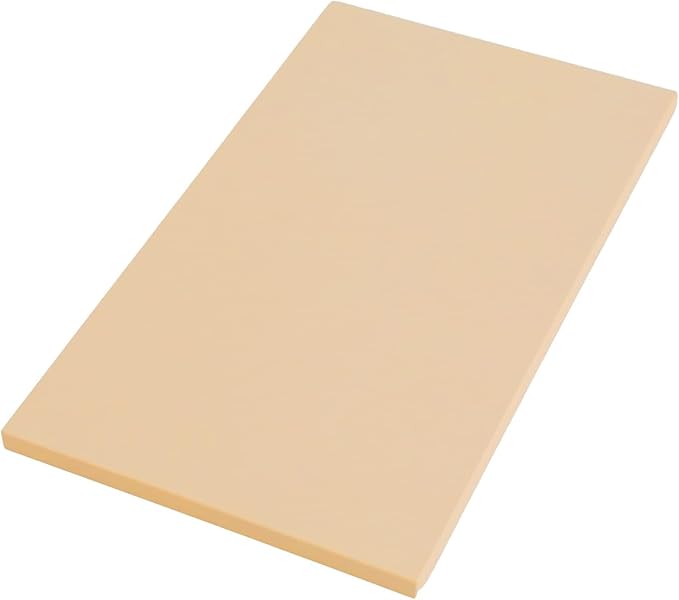
Discover the superior craftsmanship of the Asahi Cookin Cut Rubber Cutting Board, designed to preserve the sharpness of your prized Japanese knives while offering exceptional durability and stability. Perfect for home use, its synthetic rubber surface ensures a safe, non-slip cutting experience every time.
Constructed from high-quality synthetic rubber, this beige rectangular board measures 53 by 84 and maintains a stable, non-porous cutting surface that resists staining and discoloration.
84 and maintains a stable, non-porous cutting surface that resists staining and discoloration. Ideal for preparing meats, fish, fruits, vegetables, and cheese, it provides a hygienic and easy-to-clean option for any kitchen.
Pros
- Preserves the sharp edges of high-quality Japanese knives by providing a gentle cutting surface.
- Non-porous and stain-resistant, preventing odor retention and discoloration even after cutting acidic fruits like mango.
- Stable and sturdy design with a rubber-coated hard plastic core that prevents slipping during use.
Cons
- Minor susceptibility to scratches from serrated bread knives, so alternative boards may be preferred for such tools.
Combining durability, safety, and knife-friendly properties, the Asahi Cookin Cut Rubber Cutting Board stands out among kitchen boards. For those owning premium Japanese knives, it offers unmatched protection and performance, making it a top choice over traditional wooden or plastic boards.
6. HIBINO Titanium Cutting Board | 99.5% Pure Japanese Titanium |
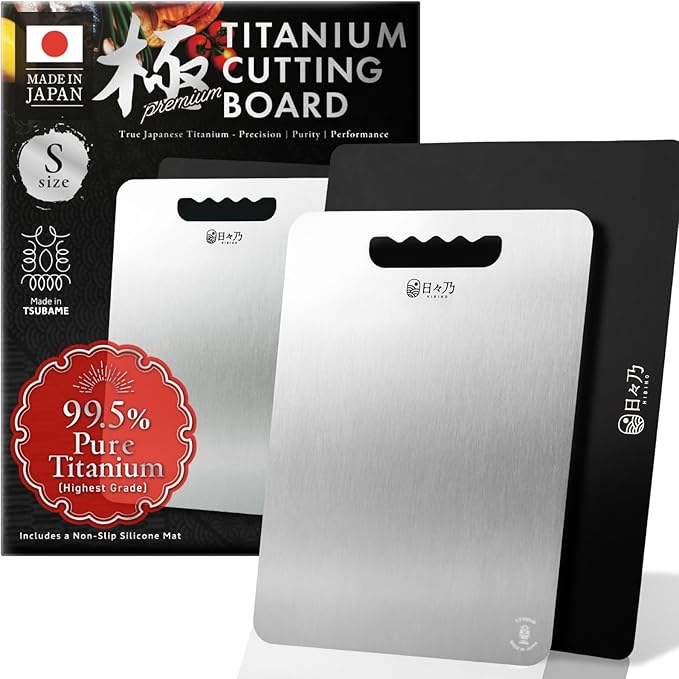
Discover the unmatched quality of the HIBINO Titanium Cutting Board, forged from 5% pure Japanese titanium. Designed for durability and precision, it offers a hygienic, rust-resistant alternative to traditional cutting surfaces, making it a top choice for chefs and home cooks who demand excellence in kitchen prep tools.
Designed for durability and precision, it offers a hygienic, rust-resistant alternative to traditional cutting surfaces, making it a top choice for chefs and home cooks who demand excellence in kitchen prep tools.
Handcrafted in the renowned metalworking city of Tsubame, Japan, this lightweight and ultra-thin cutting board combines ergonomic design with exceptional knife-friendliness. Its compact 12 x 8-inch size fits perfectly in any kitchen, making chopping fruits, vegetables, and meats quick and effortless.
Pros
- Made from 99.5% pure Japanese titanium, offering superior durability and safety
- Ergonomic wave-grip handle enhances control during cutting tasks
- Ultra-thin and lightweight design preserves knife sharpness and eases storage
- Resistant to rust, odors, and stains for maintenance-free use
- Dishwasher safe for effortless cleaning and hygiene
- Compact size ideal for small kitchen spaces and quick prep work
Cons
- Knife marks may appear over time, which is typical for titanium boards
With its high-grade construction and thoughtful design, the HIBINO Titanium Cutting Board outperforms many plastic and wooden alternatives. Its combination of lightweight convenience, durability, and Japanese craftsmanship makes it an excellent investment for anyone seeking the best Japanese cutting board experience at an affordable price of $
7. Asahi Cookin Cut Rubber Cutting Board, NE05102, Home Use, Made

Discover precision and durability with the Asahi Cookin Cut Rubber Cutting Board, expertly crafted for home use. Made from high-quality synthetic rubber, it offers a stable, non-porous surface that preserves your knife edges and resists staining, making it an ideal choice for culinary enthusiasts seeking the best Japanese cutting board experience.
The beige rectangular cutting board measures 7 x 1 with a
1 with a 5 thickness, providing ample space for chopping meats, fish, fruits, vegetables, and cheese. Imported from Japan and designed by Parker Asahi, it features a firm rubber construction with a hard plastic core for enhanced stability.
Easy to hand wash, it withstands temperatures up to 100°C without warping or discoloration.
Pros
- Preserves sharp edges of high-quality Japanese knives better than plastic or wooden boards
- Non-porous and stain-resistant surface that avoids discoloration even when cutting juicy fruits like mango
- Stable and firm cutting surface with weight that prevents slipping during use
Cons
- Not recommended for use with serrated knives as minor surface scratches may occur
For those seeking longevity and care for prized Japanese knives, the Asahi Cookin Cut Rubber Cutting Board delivers superior performance and durability. It stands out from typical plastic or wooden alternatives, making it a trusted choice for both amateur cooks and professional chefs alike.
8. Asahi Cookin Cut Rubber Cutting Board, NE05101, Home Use, Made
Discover precision and durability with the Asahi Cookin Cut Rubber Cutting Board, designed especially for preserving the sharpness of your finest Japanese knives. Crafted from synthetic rubber, this board balances gentle cutting surface protection with firm stability, making it an ideal choice for both professional chefs and home cooking enthusiasts.
Measuring approximately 15 by 8 inches, this beige rectangular cutting board showcases a solid, non-porous rubber construction that resists staining and discoloration. Its synthetic rubber surface offers a stable platform that reduces slippage, ensuring safety while cutting a variety of foods including meats, fish, fruits, vegetables, and cheese.
Imported from Japan, it combines quality craftsmanship with practical maintenance, requiring only hand washing for easy cleanup.
Pros
- Preserves knife edges, especially suited for delicate Japanese blades with a 15-degree edge geometry
- Non-porous and stain-resistant surface that withstands discoloration from fruits like mango
- Heavy enough to remain stable on countertops, minimizing movement during cutting tasks
Cons
- May show superficial scratches when used with serrated knives; best avoided for such blades
For those seeking a premium cutting board that offers excellent edge preservation and stability, the Asahi Cookin Cut Rubber board stands out as a top choice. Its combination of durability, ease of care, and compatibility with high-quality Japanese knives makes it a valuable kitchen investment when compared to harder boards that can dull blades more quickly.
9. Hinoki Japanese Cypress Wood Cutting Board, Large

Discover the finesse of traditional craftsmanship with the Hinoki Japanese Cypress Wood Cutting Board, Large. Its natural aroma and lightweight design bring a touch of authentic Japanese kitchen culture to your home, enhancing every culinary experience with elegance and practicality.
Crafted from genuine Hinoki wood, renowned for its soft density, this cutting board offers a gentle surface that preserves your knives’ sharpness and prevents chipping. Measuring
7 x 6 x 1, it balances spacious functionality with easy handling and is perfect for slicing bread, cheese, meats, and vegetables. Simple hand washing and immediate drying ensure longevity.
Pros
- Soft Hinoki wood surface protects knives from dulling and chipping
- Lightweight yet sturdy construction for comfortable use and durability
- Natural, pleasant scent enhances the kitchen atmosphere
Cons
- Requires hand washing and immediate drying to maintain quality
Combining traditional Japanese materials with modern kitchen needs, this Hinoki cutting board is a valuable addition for those seeking both beauty and function. Compared to generic wooden boards, its unique wood density and aroma set it apart, making it a preferred choice for knife-friendly food preparation.
10. Hinoki Cypress Reversible Wood Cutting Board, 17.3″ x 9.5″ x1″,

Experience the elegance and functionality of the Hinoki Cypress Reversible Wood Cutting Board, crafted from a single piece of premium Japanese cypress. Its natural fragrance and durable design make it a sophisticated addition to any kitchen, ideal for those seeking the best Japanese cutting board for both style and performance.
Made without glue or coatings, this 1-inch thick cutting board ensures gentle care for knife edges while offering great resistance to deformation. The reversible design enhances usability, and its natural wood grain adds aesthetic appeal. Easy to maintain with simple hand washing and air drying, it’s perfect for bread, cheese, fish, fruits, meat, and vegetables alike.
Pros
- Constructed from a single piece of hinoki cypress wood, eliminating glued joints for long-lasting durability
- Reversible design maximizes cutting surface and convenience
- Lightweight yet sturdy, sitting flush on countertops without slipping
Cons
- Requires hand washing and careful drying to maintain its quality
Offering a harmonious balance between craftsmanship and practicality, the Hinoki Cypress Cutting Board stands out among wooden boards with its natural aroma, fine texture, and knife-friendly surface—making it a smart choice for culinary enthusiasts who value quality and aesthetics.
Top Picks: Best Japanese Cutting Boards in 2024
Maintenance and care
When it comes to maintenance and care, understanding how to clean your best japanese cutting board properly is essential to ensure its durability and functionality. Gently washing it with mild soap and warm water immediately after use helps prevent the absorption of food odors and stains, while avoiding excessive soaking preserves its water resistance.
To keep the wood in optimal condition, regular seasoning with natural oils such as mineral oil or specialized cutting board oil creates a protective barrier, helping to maintain its smooth surface and prevent cracking. With consistent care that includes proper cleaning, timely seasoning, and mindful storage, your cutting board can retain its beauty and strength for many years, making it a reliable tool in your kitchen for a long time to come.
Price and value
When considering the best japanese cutting board, understanding the balance between budget and premium options is essential to making a satisfying purchase. While budget-friendly boards may appeal due to their lower upfront cost, premium options often boast superior craftsmanship and materials that enhance durability and performance in the long run. Evaluating the cost-to-durability ratio can help determine which cutting board will provide the most value over time, with higher quality woods and finishing techniques typically leading to boards that resist warping, cracking, and knife marks more effectively.
Evaluating the cost-to-durability ratio can help determine which cutting board will provide the most value over time, with higher quality woods and finishing techniques typically leading to boards that resist warping, cracking, and knife marks more effectively. Another important factor is the warranty offered by the manufacturer, as a solid warranty often reflects confidence in the product’s longevity and the brand’s reputation. Choosing a cutting board from a reputable brand not only ensures quality but often includes better customer support and service, making it a safer investment whether you are just starting out or upgrading your kitchen tools.
Design and construction
When selecting the best japanese cutting board, it is important to consider features that enhance both functionality and durability. The edge style and presence of juice grooves can make a significant difference in everyday use, as juice grooves help contain liquids while cutting juicy ingredients, keeping your workspace clean. Another key factor is whether the board is a one-piece or laminated construction.
One-piece boards tend to be more durable and less prone to warping, while laminated boards often offer improved resistance to cracking and may provide a wider range of aesthetic options. Many japanese cutting boards also come with reversible surfaces, allowing you to switch between tasks such as chopping vegetables on one side and filleting fish on the other, adding versatility to your kitchen tools.
When making a purchase, consider the maintenance requirements of different materials as well as the intended use, ensuring the board suits your cooking style and stays in good condition over time.
Size and thickness
When selecting the best japanese cutting board, it is important to consider the size and thickness carefully to ensure it fits well within your kitchen space and meets your cooking needs. Choosing suitable dimensions means evaluating the amount of counter space available as well as the typical tasks you perform, whether it’s chopping vegetables or filleting fish. A cutting board that is too large might be cumbersome, while one that is too small could limit your efficiency.
A cutting board that is too large might be cumbersome, while one that is too small could limit your efficiency. Thickness plays a key role in the board’s stability and overall weight; thicker boards tend to be sturdier and less prone to sliding during use but might be heavier and harder to store. Considering storage options is also wise, since a thicker or larger board will require more room when not in use.
Balancing these factors will help you find a cutting board that complements your kitchen environment and cooking style while offering durability and ease of use.
Material types
When choosing a cutting board, considering the type of wood is essential to ensure both functionality and longevity. Wood varieties like Hinoki, Bamboo, and Maple each offer unique properties that impact durability and maintenance.
Bamboo, although technically a grass, is often favored for its sustainability and hardness, providing a sturdy surface that resists knife marks and absorbs less moisture. Maple is a classic option that balances toughness with a smooth texture, offering ease of cleaning and moderate resistance to bacteria when properly maintained.
Durability largely depends on how well the board is cared for, with regular oiling and gentle washing helping to extend its lifespan and prevent cracking or warping. Boards made from these natural materials tend to be less prone to harboring bacteria and unpleasant smells compared to plastic alternatives, especially when dried thoroughly after use. Keeping these factors in mind helps in selecting a board that not only serves well in the kitchen but also supports hygienic food preparation over time.
Keeping these factors in mind helps in selecting a board that not only serves well in the kitchen but also supports hygienic food preparation over time.
Additional features
When selecting a Japanese cutting board, it is important to consider qualities that enhance both functionality and convenience. A sturdy construction with nonslip feet or handles can offer greater stability during food preparation, ensuring safety and ease of use.
The versatility of these boards allows for multipurpose use, serving not only as a reliable surface for cutting but also doubling as an elegant serving platter, perfect for presenting sushi or appetizers. Paying attention to these features will help beginners make a well-informed choice that aligns with both everyday cooking needs and environmental consciousness.
People Also Asked
What Are The Benefits Of Using A Wooden Japanese Cutting Board?
A wooden Japanese cutting board offers excellent knife protection due to its soft yet durable surface, helping to maintain blade sharpness longer. Additionally, its natural antibacterial properties and elegant craftsmanship make it both a hygienic and aesthetically pleasing kitchen tool.
What Materials Are Commonly Used For The Best Japanese Cutting Boards?
The best Japanese cutting boards are commonly made from high-quality woods such as hinoki (Japanese cypress), katsura, or layered bamboo. These materials are valued for their durability, gentle impact on knife edges, and natural antibacterial properties.
How Should You Properly Maintain And Care For A Japanese Cutting Board?
To properly maintain a Japanese cutting board, clean it gently with mild soap and water immediately after use, then dry it thoroughly to prevent warping or cracking. Regularly oil the board with food-safe mineral oil to keep the wood hydrated and extend its lifespan.
Which Brands Are Known For Producing The Best Japanese Cutting Boards?
Brands like Muji, Takeda, and Shun are known for producing some of the best Japanese cutting boards, combining high-quality materials with excellent craftsmanship. These brands often use durable woods like hinoki or bamboo, which are favored for their hygiene and knife-friendly surfaces.
How Do Japanese Cutting Boards Differ From Western-Style Cutting Boards?
Japanese cutting boards are typically made from soft woods like hinoki or cypress, which are gentle on knives and help maintain their sharpness, while Western-style boards often use harder woods or plastic for durability. Additionally, Japanese boards usually have a thinner, single-piece design compared to the thicker, heavier construction common in Western boards.
Conclusion
In summary, the best Japanese cutting board combines exceptional craftsmanship with durability and hygiene, making it an essential kitchen tool. Crafted from high-quality wood like hinoki or bamboo, these boards offer a knife-friendly surface that preserves blade sharpness. Investing in a top Japanese cutting board enhances your cooking experience, ensuring precision, longevity, and elegance in your culinary space.